
Keeping clean "down there"
From underwear to panty liners and washing💧
Quick summary 📝
1️⃣ Wash the outside once a day with warm water. Your vagina cleans itself, so there’s no need to wash inside
2️⃣ Skip scented soaps, sprays and wipes, and go for cotton underwear you change daily
3️⃣ A light, musky smell is normal, but a new smell or change in discharge is worth checking with a doctor

There's so much online about keeping down there clean, and when half of it contradicts the other half, it can get pretty confusing 😵💫
luna gets loads of questions about this, so let's clear some things up 👇
How often should you wash down there?
Washing the outside once a day is plenty.
This part is called your vulva, and it includes your labia (lips) and the area around them.
Warm water is all you need. If you do use soap, make sure it’s plain and unscented.
Scented soaps, shower gels and “feminine hygiene” products can irritate your skin and upset the natural balance down there.
Your vagina (the inside part) cleans itself, so there’s no need to wash inside it at all 💗
Washing inside can actually wash away the good bacteria that keep it healthy, which can make infections like thrush more likely.
How much should you change your underwear?
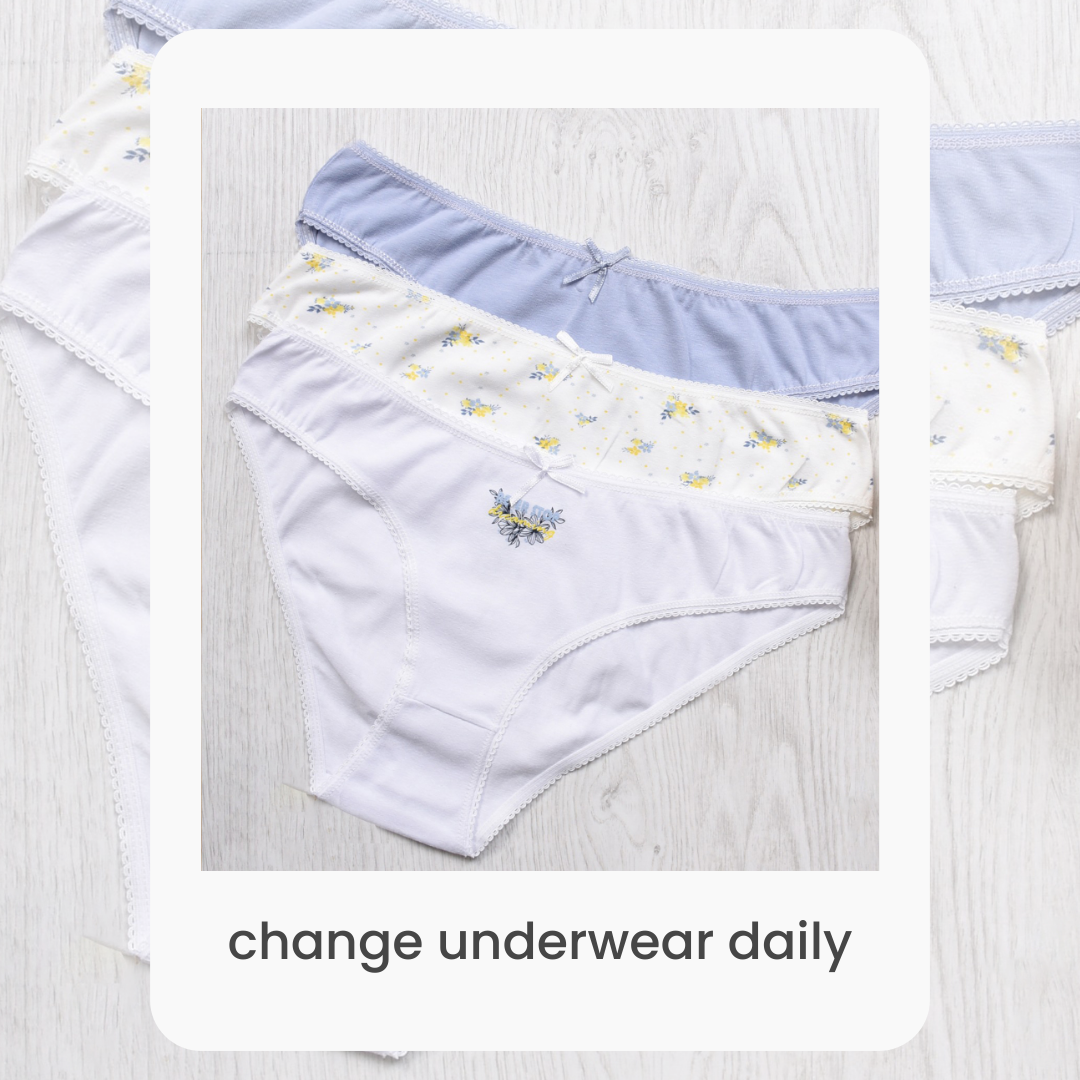
Changing your underwear every day helps keep things fresh and comfortable.
If you’ve been active or sweaty, you might want to change it more often, and that’s totally fine.
It’s also worth swapping out any pairs that are worn out or torn.
Do you have to wear panty liners?
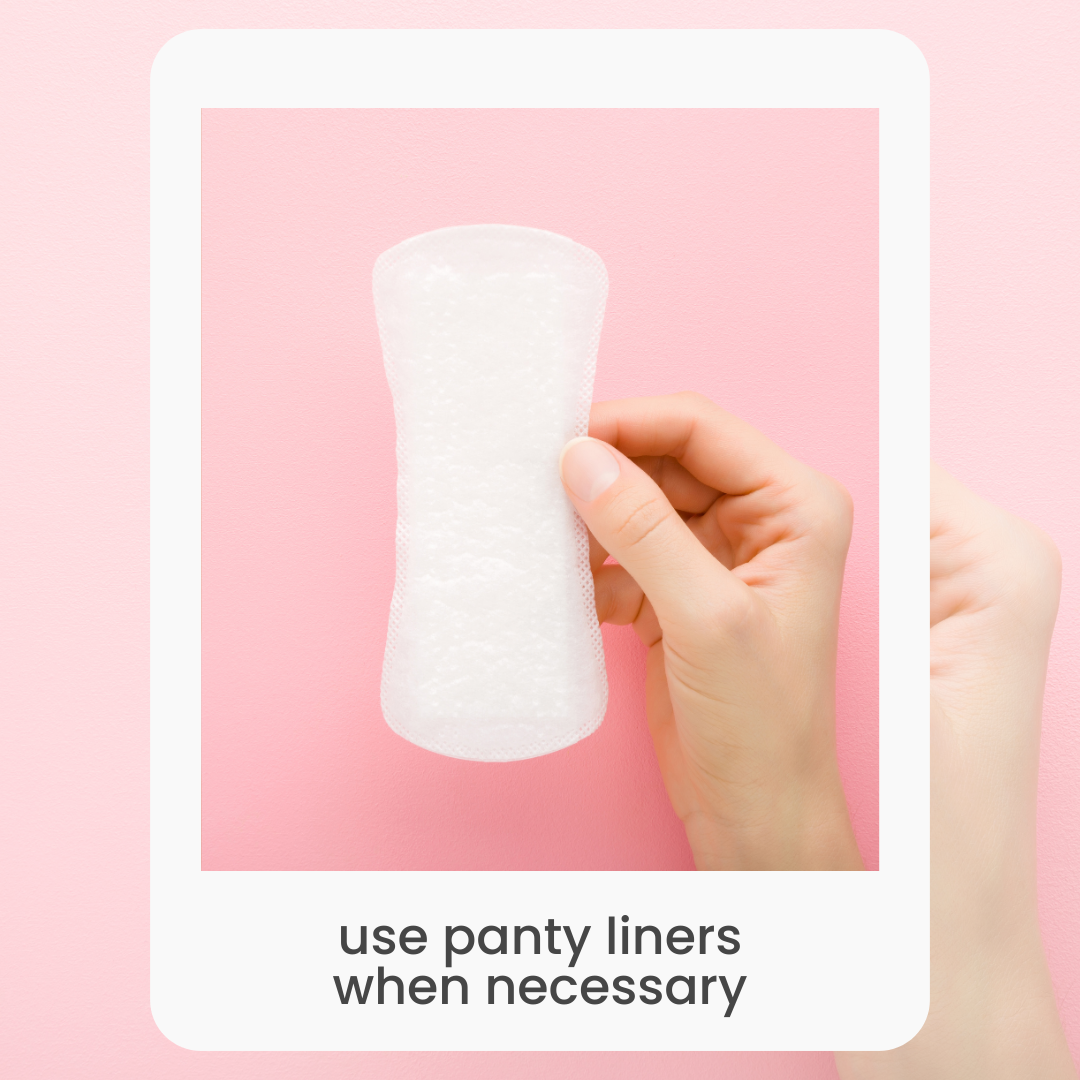
Panty liners are thin, absorbent pads which you stick to your underwear. They can soak up sweat or discharge and help during light period days 🤍
They can keep you feeling comfortable and dry, but don’t overuse them if you can help it!
Wearing panty liners too often and for too long can irritate your skin.
Change them regularly, and if your skin starts feeling irritated, try giving them a break.
Should you wear underwear at night?
This one’s totally up to you!
Some people like sleeping in loose pyjamas without underwear, while others prefer to keep it on.
If you wear underwear to bed, cotton is a comfy choice 💤

How often should you replace underwear?
It’s a good idea to replace your underwear every year, but it really depends on how many you have in rotation.
If you only have a few pairs and wear them often, you might need to replace them sooner, or if you have loads you might have longer.
If your underwear is torn or worn out, it’s time for a new pair ✔️
Having more pairs means they’ll last longer, so it’s really up to you!
What materials should you choose?
Cotton is the best choice. It lets your skin breathe and keeps moisture away, helping to prevent irritation or infections.
Other fabrics can trap heat and moisture, which might make you uncomfortable 🥲

When to check in with a doctor
A light, musky smell is totally normal, so there’s no need to cover it up with sprays or perfumes.
If you notice a new or strong smell, or changes in your discharge, a doctor or sexual health clinic can help.
Getting to know what’s normal for you makes it easier to spot when something’s off 🌸
How we created this article:
luna's team of experts comprises GPs, Dermatologists, Safeguarding Leads and Junior Doctors as well as Medical Students with specialised interests in paediatric care, mental health and gynaecology. All articles are created by experts, and reviewed by a member of luna's senior review team.
Sources:
Devon Sexual Health "Genital hygiene" | Accessed 19.10.26
https://www.devonsexualhealth.nhs.uk/your-sexual-health/genital-hygiene-our-tips/Kent Community Health NHS Foundation Trust “Vulva care” | 19.10.26
https://www.kentcht.nhs.uk/leaflet/vulva-care/