
Is it normal to not have a flat stomach?
The short answer: yes!
Quick summary 📝
1️⃣ The constant stream of "perfect" flat stomachs in social media can distort reality, and in fact, having a non-flat stomach is completely natural
2️⃣ Your body grows fast during puberty, so changing shape is normal, and dieting isn’t the answer for growing teens
3️⃣ If worries about food or your stomach start to take over, talking to a trusted adult or doctor can really help
With so many of us looking online for inspiration and entertainment, it can be hard to ignore the videos and pictures that surface of the “perfect” body.
And one thing that comes up a lot is flat stomachs or flat bellies.
It can be so frustrating to see this everywhere, and it can lead us to think...
👉 “Why have I never had a flat stomach?”
👉 “How can I achieve a flat stomach?”
👉 "Are there any flat belly diets I need to go on?"
So, if you’ve ever had these questions, luna's here to clear things up for you.
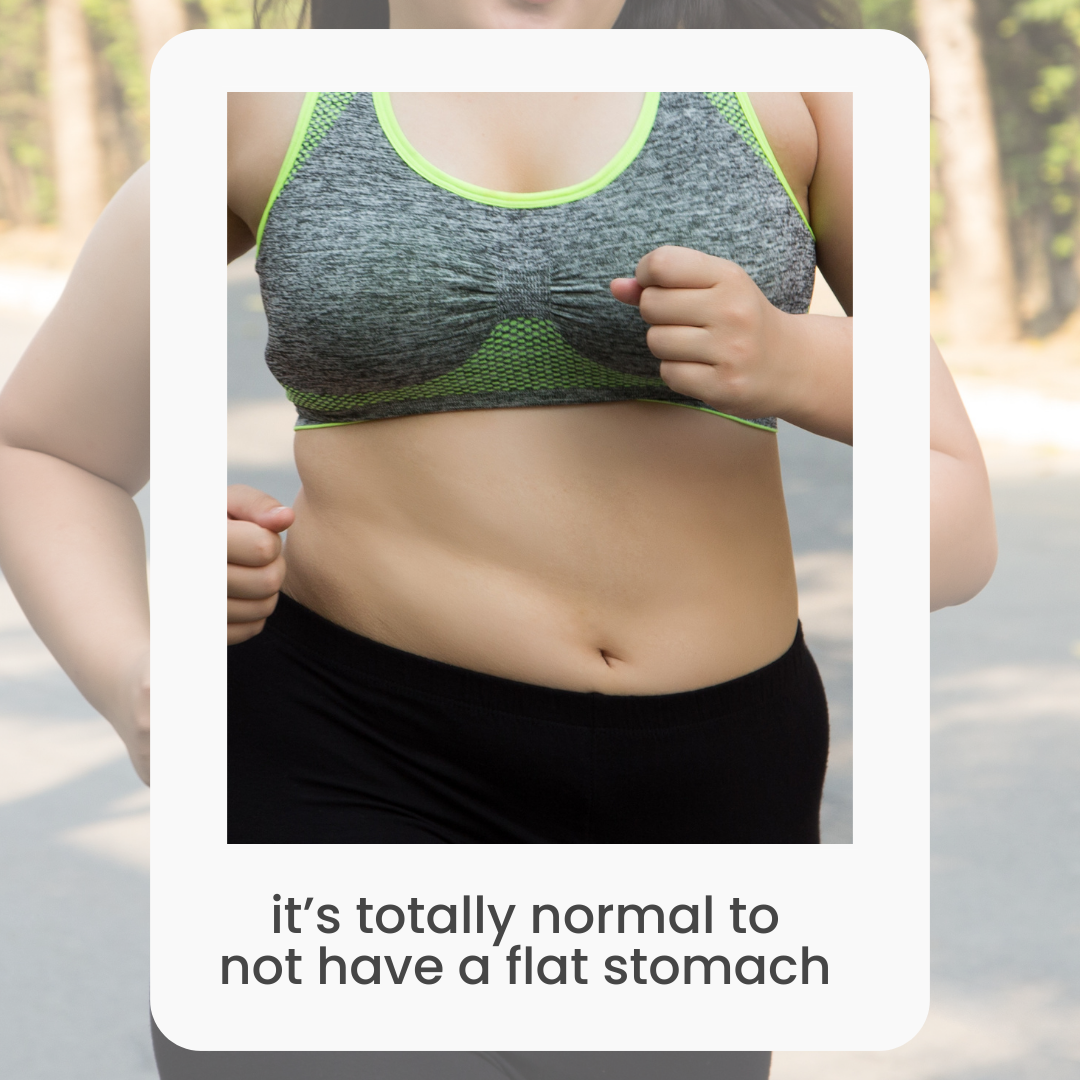
So, is it normal to not have a flat stomach?
Yes, totally. Most people don’t have a flat stomach, including lots of the people you see online.
Stomachs are soft, they move when you breathe, and they fold when you sit down. That’s just what bodies do.
A lot of what you see on social media is posed, filtered, or edited too.
Real bodies don’t look like that all the time.
And during puberty, your body grows faster than at any other time in your life. Your hips widen, and your shape changes, and that’s exactly what’s meant to happen 💖
Things like genetics, the environment in which we grow up, and health conditions also have an impact on what your stomach looks like.
It's also important to remember that "gaining weight" is sometimes portrayed as a negative thing on social media, but actually, when you're a teenager, gaining weight throughout puberty is normal and an important part of growing up ✨
What about flat belly diets and teas?
Crash diets, flat tummy teas and “lose belly fat in 30 days” plans are everywhere 🙄
But they aren’t healthy or sustainable, and they can take a toll on how you feel, physically and mentally.
If you’re ever worried about your weight, a doctor or school nurse can help.
What actually helps you feel good
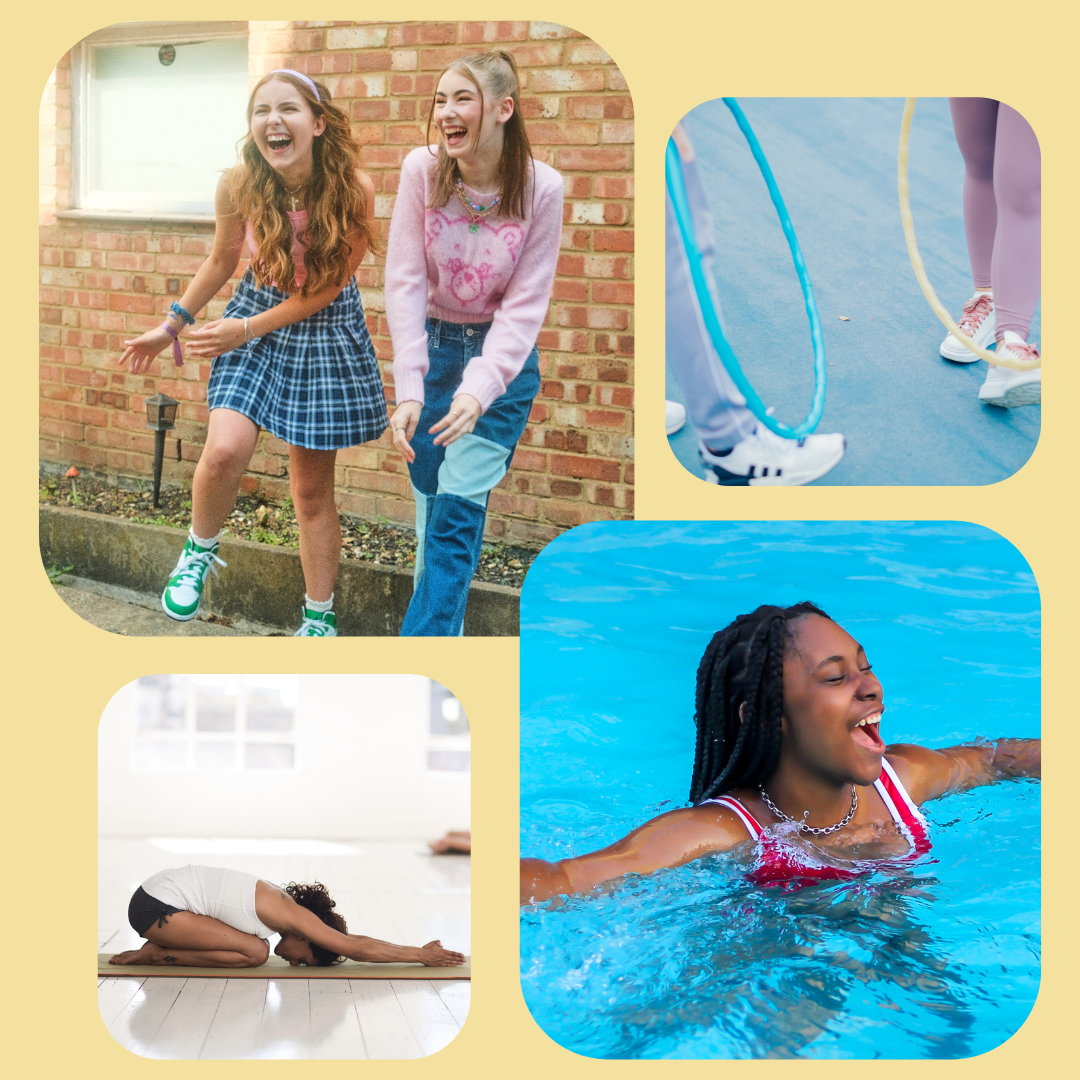
Moving your body in ways you enjoy is great for your mood and energy, whatever your stomach looks like.
It could be:
👉 Dance: a class, or just your bedroom playlist
👉 Swimming: a fun one to do with friends
👉 Yoga: good for stretching and winding down
👉 Something random: hula hooping definitely counts
Need some ideas to get started? Here’s how to get into exercise.
What to do if you’re really worried about your stomach
Sometimes worries about food or your body can start to take over, and that can feel really hard.
It might be time to get some support if you’re:
👉 Worrying a lot: thoughts about your weight or shape take up loads of your headspace
👉 Cutting back: eating very little, or skipping meals to try to change your body
👉 Avoiding things: not wanting to eat in front of other people
👉 Noticing changes: like your periods stopping
You’re not overreacting, and you don’t have to figure it out alone. Talking to a trusted adult or doctor is a great first step 💛
If you’re in the UK, you can also talk to Beat, the eating disorder charity, for free on 0808 801 0677.
Your stomach doesn’t need to be flat to be a good one. It’s busy helping you grow, and that’s pretty great 💞
How we created this article:
luna's team of experts comprises GPs, Dermatologists, Safeguarding Leads and Junior Doctors as well as Medical Students with specialised interests in paediatric care, mental health and gynaecology. All articles are created by experts, and reviewed by a member of luna's senior review team.
Sources:
NHS Healthier Together “Puberty” | Accessed 09.10.26
https://www.healthiertogether.nhs.uk/young-person/pubertyNHS “Eating disorders” | Accessed 09.10.26
https://www.nhs.uk/mental-health/feelings-symptoms-behaviours/behaviours/eating-disorders/overview/