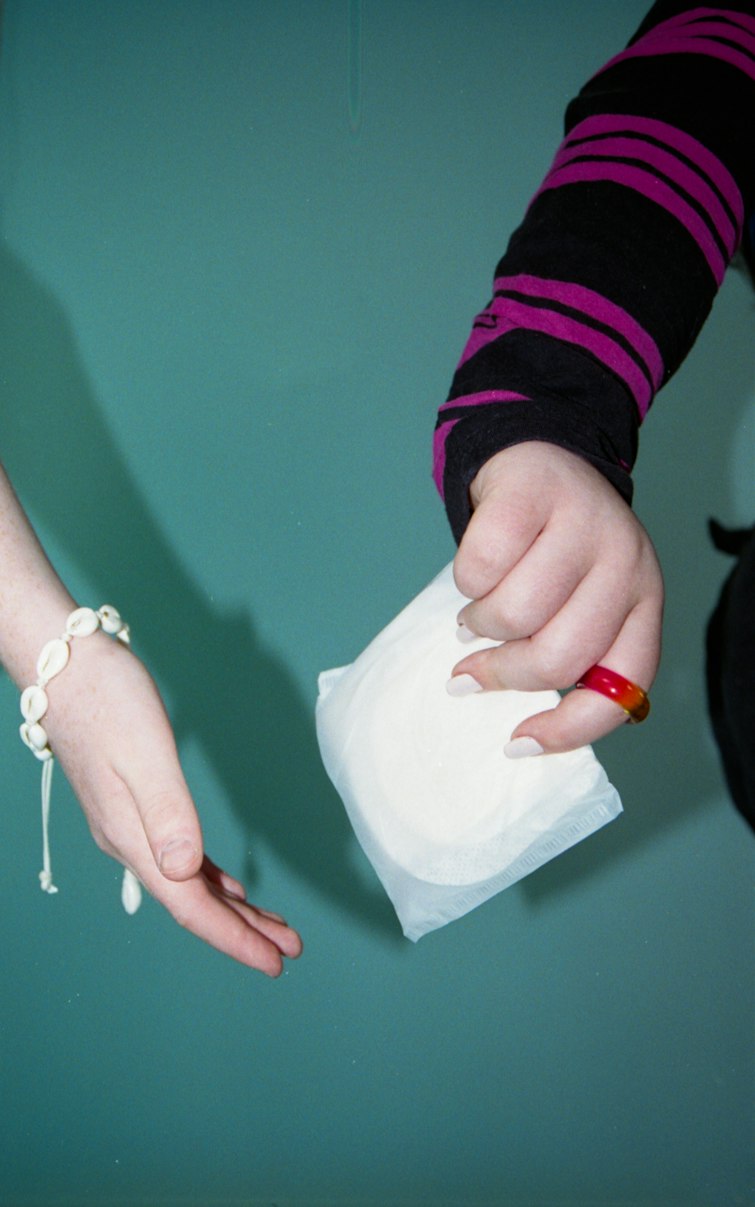
Your guide to starting your first period
Your most asked questions, answered 🩸
Quick summary 📝
1️⃣ Most people start their period around 12, but anywhere from 8 to 17 is normal
2️⃣ Signs it’s coming include breast growth and new hair, and a period kit can help you feel ready
3️⃣ Cycles can be irregular at first, but see a doctor if you’re 15 with no period or miss 3 in a row
Waiting for, and getting, your first period can be an exciting, confusing or even scary time, depending on who you are or who you ask.
And luna gets lots of questions all about it, which tells you that you aren’t alone!
So, luna’s here to break down the basics about starting your period and answer your most-asked questions in one place 👇
What age will my period start?
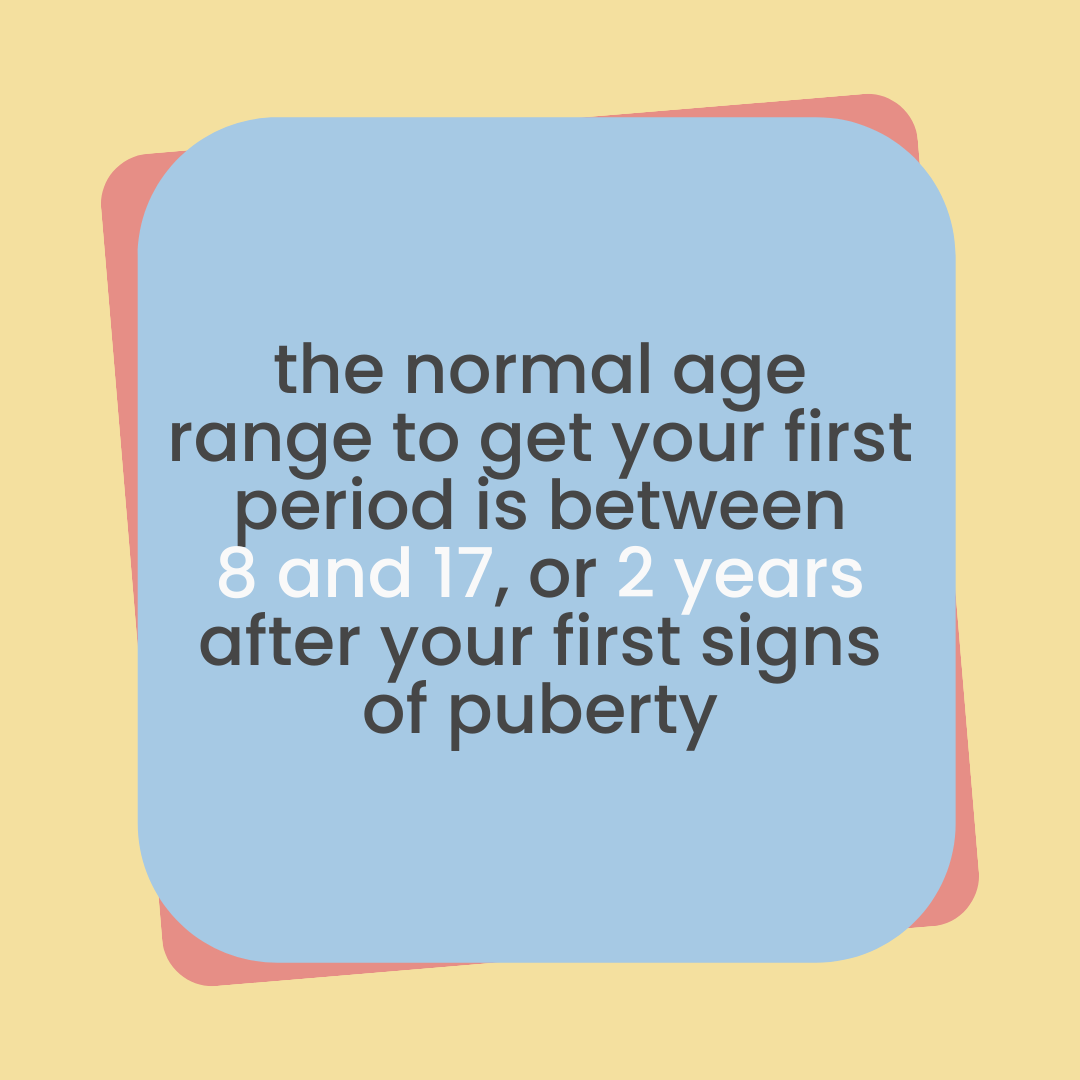
According to the NHS, the average age for a first period is around 12 years old, but it does vary from person to person.
The normal age range to get your first period is between 8 and 17, or 2 years after your first signs of puberty.
If you’re 15 and haven’t started your period yet, or 13 and haven’t noticed any other signs of puberty, it’s worth chatting to a doctor.
Are there signs my period is coming?
There are a few clues that your period might be on its way soon, like:
👉 Breasts growing: periods usually start about 2 years after this begins
👉 New hair: like under your arms and around your vulva
However, there's no way to exactly predict when you might get your first period!
Instead, it's more just noticing signs your body is changing and going through puberty 🫶
I’m getting discharge, does this mean my period will start soon?
Vaginal discharge won't necessarily mean you're close to starting your period, but you do start getting discharge in puberty as your hormone levels start to change, which is also when a period may start.
Think of them as two things that begin around this stage in your life, but not necessarily as cause and effect 💕
How long will my period last?
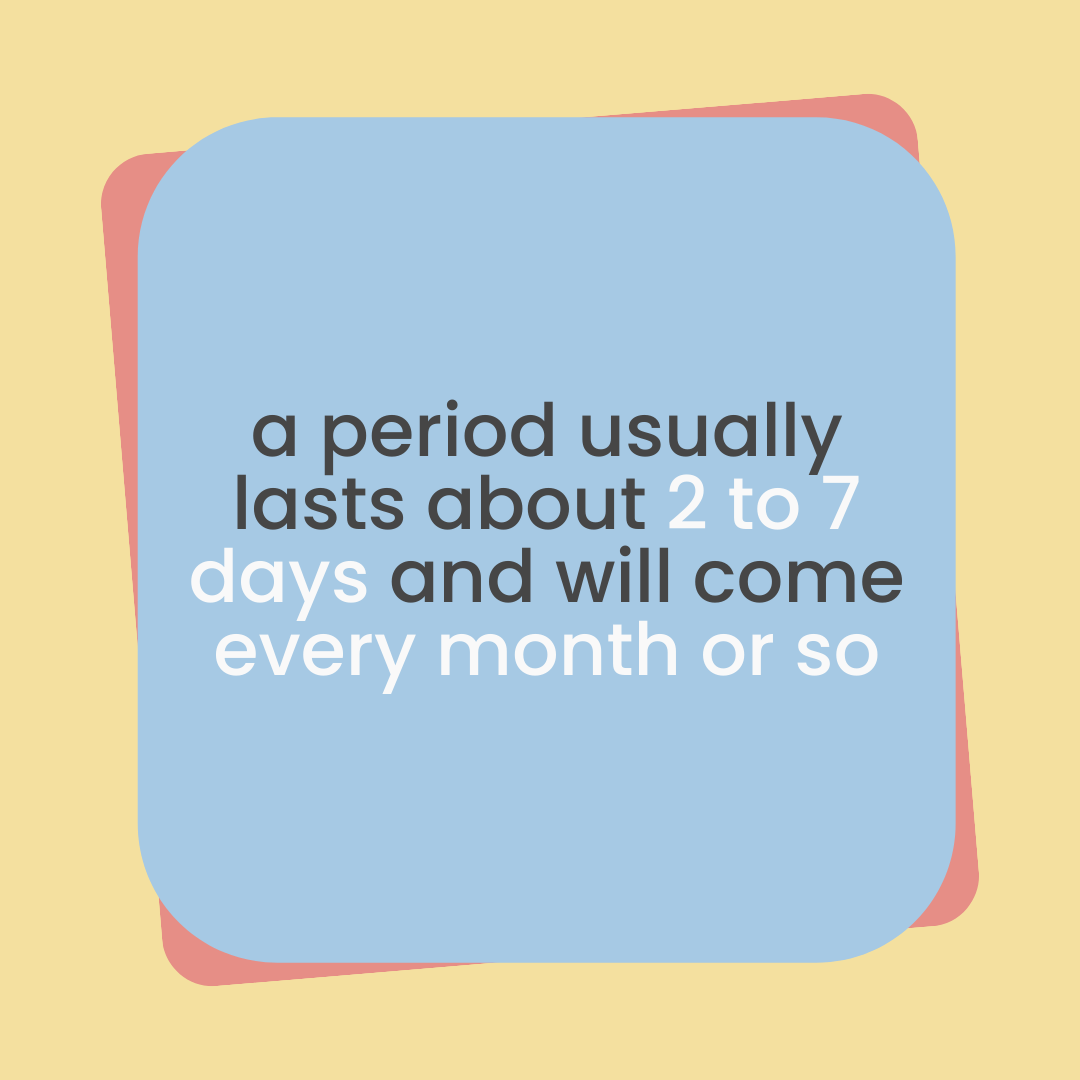
A period usually lasts about 2 to 7 days and will come every month or so, but it can be a bit irregular at first, which is normal.
Once your pattern is a bit more regular, most people’s periods will come every 23 to 35 days (with the average number being 28 days).
How much blood will I lose in one period?
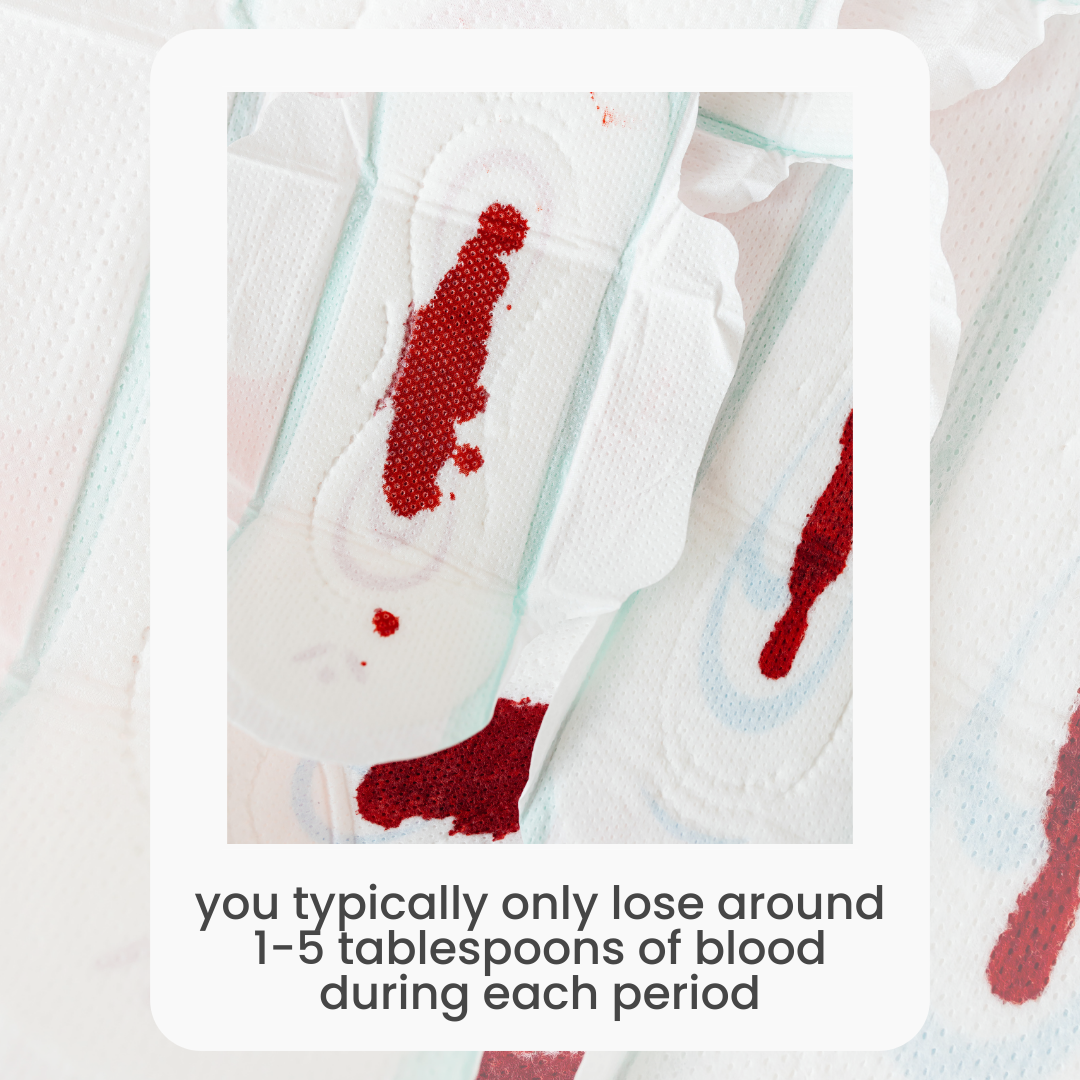
You typically only lose around 1 to 5 tablespoons of blood during each period and your flow may change across those days.
It may be heavier at first, and lighter towards the end of the period.
What can help me prepare for my period?
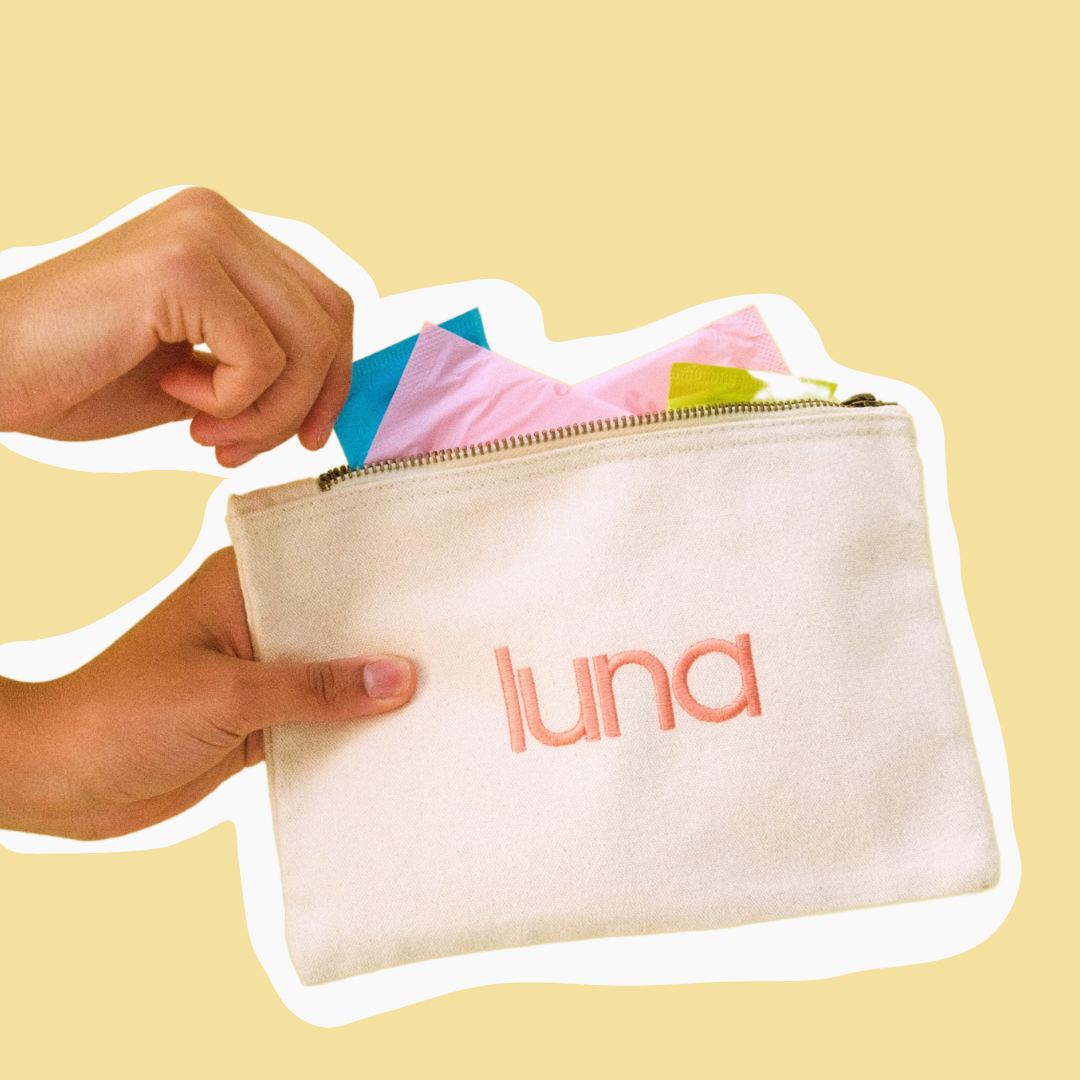
It can be helpful to keep a little period pouch with you for when you start.
Get a little zip-top pouch, and add in a couple of pads, painkillers (like paracetamol or ibuprofen), panty liners, and even some spare underwear rolled up.
This can make you feel extra safe and prepared!
What if I start my period unexpectedly?
The most important thing is: don't stress ❤️
This is a totally normal situation, and one that most people with periods will be in at some point.
If this happens, you can speak to a peer or teacher about getting a spare pad or use some rolled up toilet roll until you have a moment to speak to them in private.
Remember that half of the population have periods at some point in their life, and there’s nothing to be embarrassed about.
How can I predict my next period?
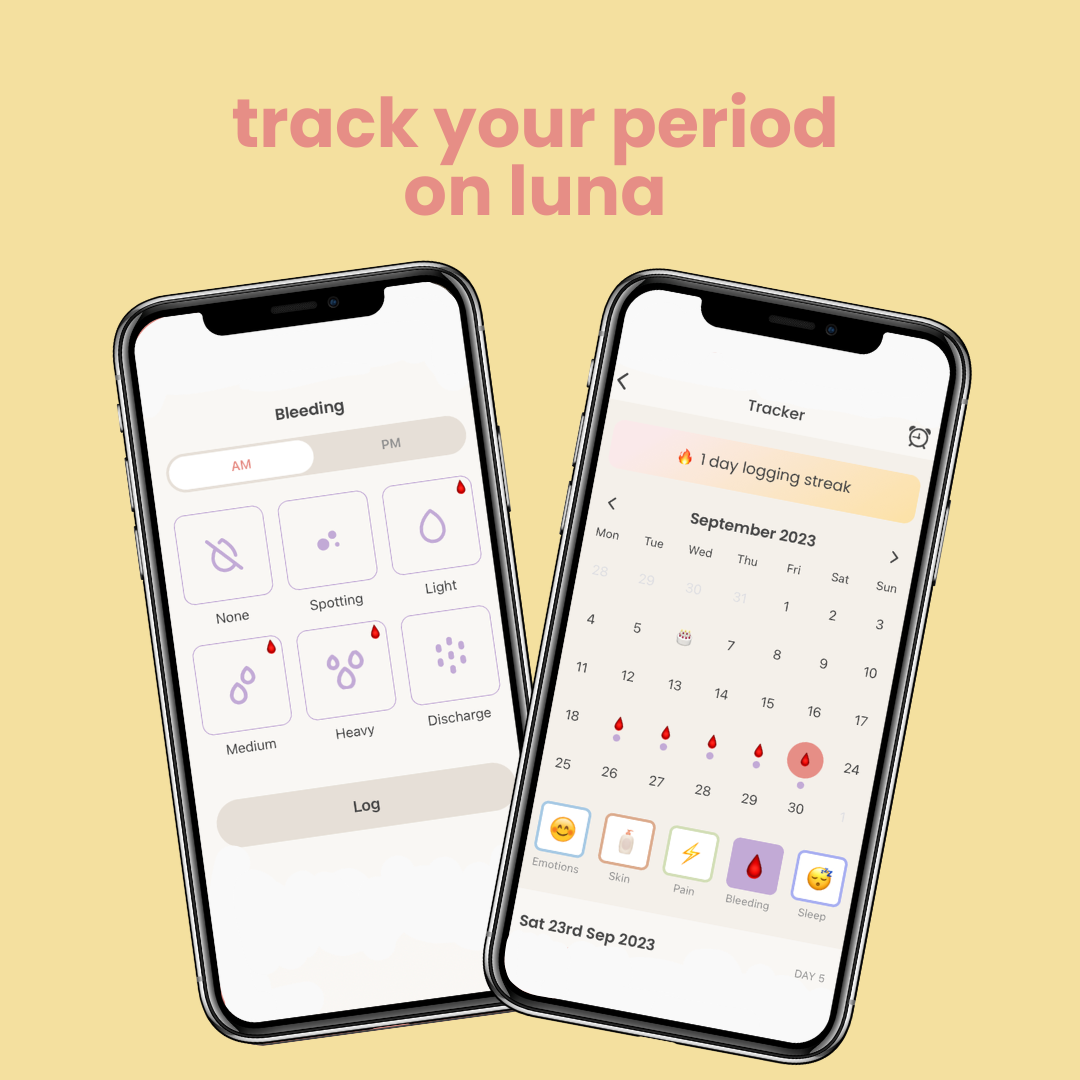
You can use luna’s tracker!
Just mark the first day of your period on the calendar. This is the first day of bleeding and is known as ‘day 1’ of your menstrual cycle.
luna then counts the days until your next period, using your ‘average cycle length’, and predicts when it will come 🔮
To make sure the predictions are as accurate as possible for you, you need to log your first 2 periods first.
Why is my period irregular?
Cycles can change from month to month depending on your lifestyle and how you’re feeling.
If you’ve just started your period, it can take a couple of years for your body to find its ‘normal’.
But if you miss 3 periods in a row, or something doesn’t feel right, it’s worth checking in with a doctor.
First periods can be a little unpredictable and are different for everyone, which is completely normal.
With some preparation, you’ll be able to handle it.
There’s lots more in the luna app, which dives into the things mentioned in this article in more detail, and if you have any questions, just Ask luna ❣️
How we created this article:
luna's team of experts comprises GPs, Dermatologists, Safeguarding Leads and Junior Doctors as well as Medical Students with specialised interests in paediatric care, mental health and gynaecology. All articles are created by experts, and reviewed by a member of luna's senior review team.
Sources:
NHS "Starting your periods" | Accessed 02.11.26
https://www.nhs.uk/conditions/periods/starting-periods/NHS "Irregular periods" | Accessed 02.11.26
https://www.nhs.uk/conditions/irregular-periods/NHS "Discharge" | Accessed 02.11.26
https://www.nhs.uk/conditions/vaginal-dischargeKidsHealth "I've Never Had My Period, So What's This Discharge?" | Accessed 02.11.26
https://kidshealth.org/en/teens/vdischarge.html