Daughter only talking to you when she wants something?
Why teens pull away

Updated April 11, 2026 • Medically reviewed by Dr. Emma Dickie
Medically reviewed by Dr. Emma DickieIn this article
- My daughter only talks to me when she wants something, what should I do?
- Why is my teen pulling away from me?
- How can I get my teen to open up?
- What should I avoid when wanting my teen to open up?
- How can I reconnect with my teen?
- When should I consider outside support for my teen?
- What should I remember when my teen is pulling away from me?
My daughter only talks to me when she wants something, what should I do?
If your daughter only talks to you when she needs something, it's important to remember that this is usually a normal part of teenage development, not a sign that your relationship is broken. Many teens communicate in short, practical bursts as they balance independence with still relying on you.
It might feel like the only time they appear is to ask for a lift, money, or permission to go out - and that can feel frustrating or even hurtful.
No “how are you”, or “what have you done today?”
But this dynamic is actually super common, and it doesn’t mean that your daughter hates you!
See, teens are balancing a growing need for independence with still relying on parental support, and that tension often shows up in how (and when) they communicate.
They want independence, but they don’t have it, which can create a whole load of frustration for both of you.
So, how do you help your teen open up, and how can you reconnect with them without pushing them away further? Let’s dive in.
Why is my teen pulling away from me?
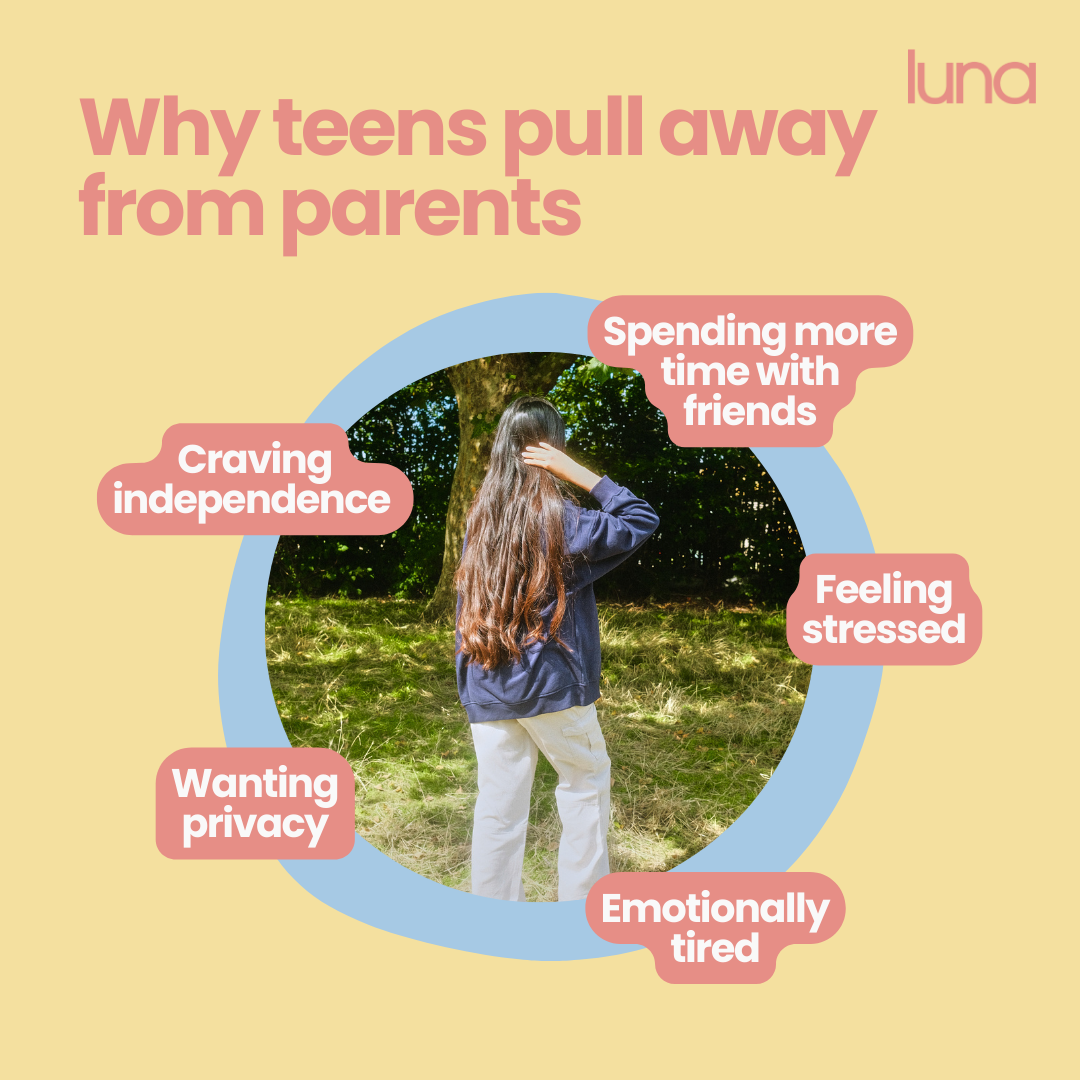
Teens often pull away from parents as part of becoming more independent. It’s usually about development and not rejection. They are working out who they are as their own individual person.
As your teen grows, they’re:
- Spending more time with friends
- Building their own identity
- Wanting more privacy and space
They may also feel overwhelmed, emotionally tired, or unsure how to explain what they’re feeling.
For example, your teen might come home, go straight to their room, and not say much - not because they don’t care, but because they’re decompressing or don’t have the words yet.
This distance can feel personal, but it’s usually a normal (and temporary) shift.
How can I get my teen to open up?
Teens are more likely to open up when conversations feel relaxed, not pressured. Small, everyday moments often work better than big, serious talks.
Instead of asking lots of direct questions, aim for low-pressure connection.
For example:
- Chatting in the car
- Talking while cooking
- Sitting together watching something
You could try saying:
- “How was your day - anything interesting happen?”
- “That show looks good, what’s it about?”
- “Want company, or some space right now?”
- “I’m here if you feel like chatting later”
These moments help your teen feel safe to talk, without feeling like they have to.
What should I avoid when wanting my teen to open up?
When wanting your teen to open up, it is best to avoid anything that feels demanding or intense. It’s completely natural to want more connection, but pushing too hard can sometimes make teens withdraw further.
Try to avoid:
- Shaming or criticising (e.g. “you never talk to me anymore”)
- Forcing conversations when they’re not ready
- Comparing them to siblings or friends
- Taking it personally
For example, saying “why are you always in your room?” might come from concern, but can feel like pressure or criticism to your teen.
How can I reconnect with my teen?
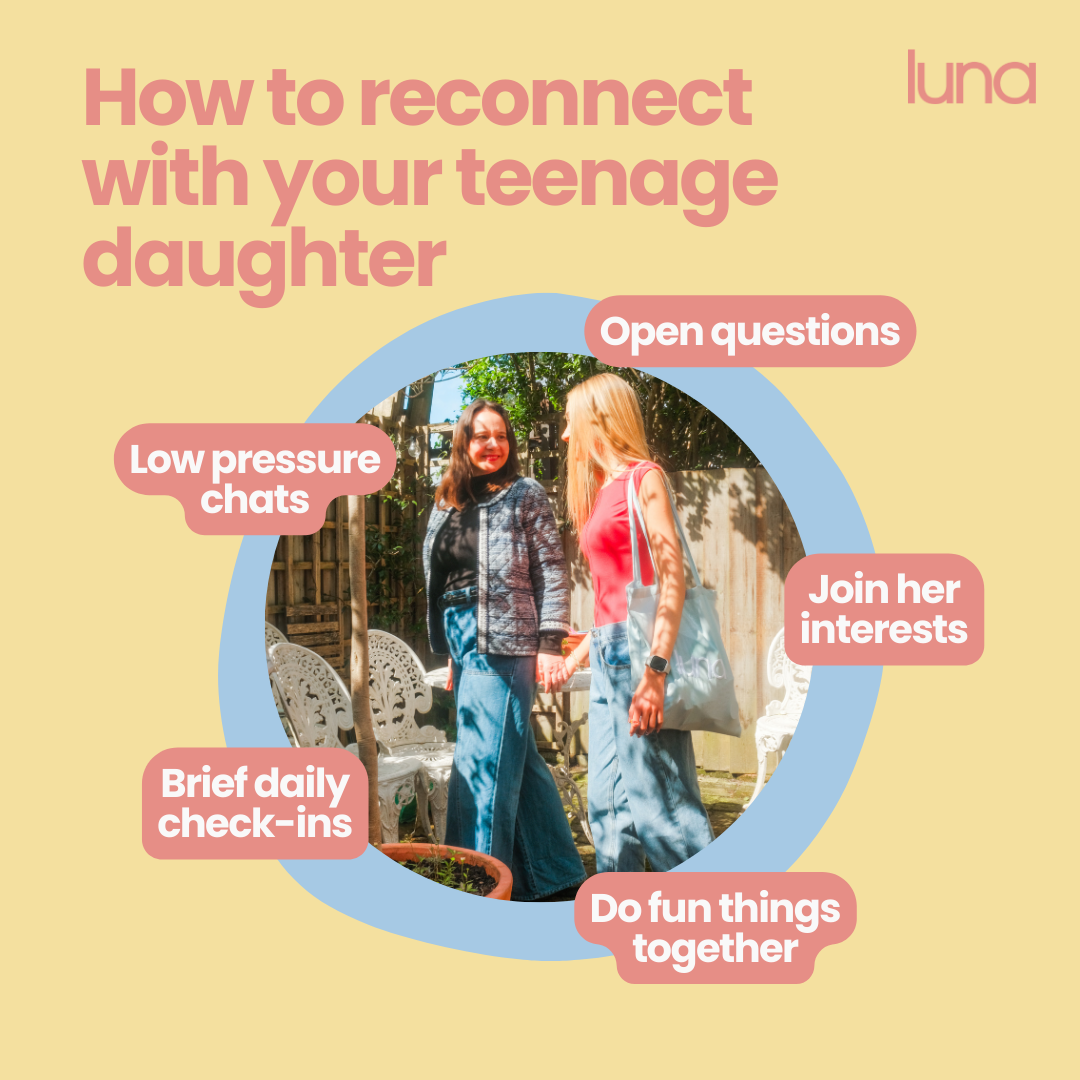
Reconnection usually doesn’t happen through one big conversation - it builds through small, consistent moments over time. It often starts with showing up calmly and consistently, even when conversations feel brief or surface-level.
Small, everyday habits can help:
- Start with low-pressure chats
- Ask open, not demanding, questions
- Join their interests instead of pushing yours
- Use brief daily check-ins
- Stay calm during disagreements
- Explore fun things you can do with your teenage daughter
Reconnecting with your teen can sometimes feel as if you are fighting a losing battle. But you will get there. It is important to remember that you aren't doing anything wrong by wanting to connect with your teen - even if they act like you are doing something awful!
When should I consider outside support for my teen?
Some distance is normal, but if it becomes more intense or long-lasting, it may be worth seeking extra support. If you notice signs that your teen is struggling emotionally, avoiding the family completely, or if communication feels impossible, it may be time to reach out for extra help or mental health support.
Signs it could be helpful include:
- They seem consistently depressed or overwhelmed
- There is ongoing, intense conflict
- Communication feels completely stuck
- They are showing signs of teenage anxiety
Seeking outside support can give both parents and teens a safe space to be heard, understand each other better, and find strategies to reconnect.
What should I remember when my teen is pulling away from me?
If your teen seems distant, it doesn’t mean you’ve done anything wrong, and it doesn’t mean your relationship is lost.
Many teens go through phases where they talk less, spend more time alone, or only communicate when they need something. Thankfully, this is often temporary.
With patience, consistency, and a calm approach, connection usually rebuilds over time.
Even if it doesn’t always show, your presence, support, and steady reassurance still matter more than you might realise.
For expert-backed communication tools that support both parents and teens, explore the luna app for guidance you can trust.
How we created this article:
luna's team of experts comprises GPs, Dermatologists, Safeguarding Leads and Junior Doctors as well as Medical Students with specialised interests in paediatric care, mental health and gynaecology. All articles are created by experts, and reviewed by a member of luna's senior review team.
We'd love to keep in touch!
Sign up to our parent newsletter for emails on the latest teen trends, insights into our luna community and to keep up to date
By signing up, you are agreeing that we can use your email address to market to you. You can unsubscribe from marketing emails at any time by using the link in our emails. For more information, please review our privacy statement.