How much is too much for your teen daughter to go out?
What's normal, and when to step in

Updated July 22, 2026 • Medically reviewed by Dr. Emma Dickie
Medically reviewed by Dr. Emma DickieIn this article
In short
There's no set amount a teenager "should" go out.
Research shows the quality of her friendships matters more for her wellbeing than how often she's out.
What deserves attention is change: sudden withdrawal, low mood, or going out so much that sleep, school, or safety start to slip.
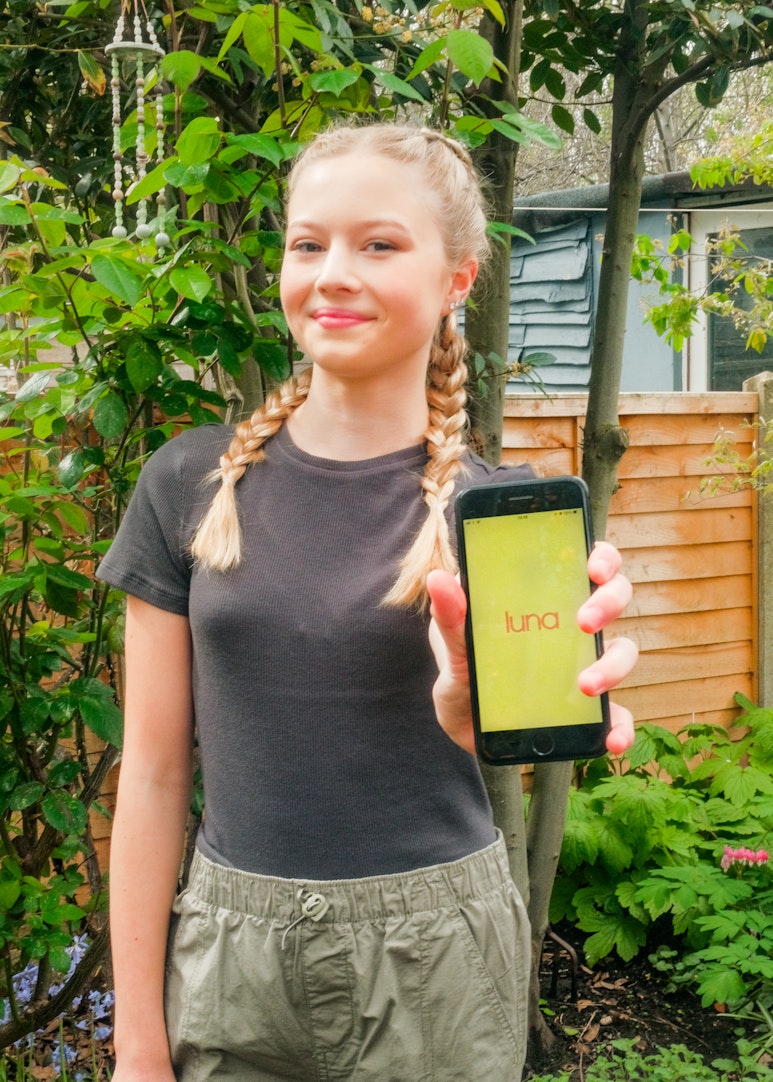
How much should my teen daughter be going out?
There's no magic number.
Some girls are out every weekend from age 12, others are happiest at home at 16, and both can be completely fine.
What matters most is whether your daughter is happy, confident, comfortable in who she is, and safe.
Age matters too: what's typical at 11 looks very different at 17, and building her independence gradually tends to work better than a fixed rule.
Should I worry if my daughter never goes out?
Not necessarily. Being alone and being lonely aren't the same thing, and what matters is how she feels about it.
YoungMinds makes exactly this distinction: a girl can be on her own and feel completely fine, or be surrounded by people and feel deeply lonely.
Some girls, particularly girls with autism or ADHD, find group socialising draining and genuinely prefer one good friend, family time, or their own company.
If she's happy enough, going to school, and has connection somewhere in her life, a quiet social calendar usually isn't a red flag.
It's different if staying in is new, or if it comes with unhappiness.
If she wants friends but isn't making them at school, that's worth gently exploring with her.
Signs to pay attention to include:
- Continuous low mood, sadness, or frequent tearfulness
- Increasing social isolation, especially pulling away from friends she used to see
- Little or no enjoyment of things she used to love
- Disturbed sleep, like trouble falling asleep or waking through the night
- A lack of confidence and low self-esteem
If several of these sound familiar, a chat with her doctor is a sensible next step.
You may also want to help her find ways to make friends through shared interests rather than pressure to "just go out more".
Is my daughter going out too much?
Going out a lot isn't a problem in itself.
Pulling toward friends and away from family is one of the most developmentally normal things a teenager can do.
It tips into too much when other parts of her life start paying for it.
You might notice:
- Schoolwork or attendance slipping
- Not getting the amount of sleep teens need
- You regularly don't know where she is or who she's with
- Plans she's vague or secretive about
- She seems anxious about missing out rather than excited to go
Secrecy is the one many parents say worries them most.
If she's hiding her movements rather than negotiating them, it can help to read up on what to do when a teen starts sneaking out before it becomes a pattern.
How do I agree going out rules without a battle?
Rules she's helped shape are rules she's far more likely to keep.
Agreeing things in advance also beats arguing at the front door.
The NSPCC suggests talking through five basics whenever she asks to go out:
- Where she wants to go
- What she wants to do
- Who she'll be with
- How far she'll travel
- What time she'll be back
Some parents find a "trust ladder" helps: she keeps to what was agreed, so next time the boundary loosens a little.
It also helps if she has somewhere to work things out for herself.
luna gives teen girls a space to explore friendship, confidence and health topics at their own pace, with content reviewed by medical experts.
FAQs
What age can my daughter go out without an adult?
There's no legal age.
The NSPCC advises judging readiness instead: she should know her full name and address, have phone numbers for two trusted adults, and be confident crossing roads safely.
If either of you feels she isn't ready, she isn't ready yet.
Is it normal for a 13 year old to never go out with friends?
Yes, and it's more common than the highlight reels suggest.
Social lives at 13 vary enormously, and plenty of girls this age socialise mainly at school.
Her happiness is a better guide than her diary.
Should I push my daughter to go out more?
Pressure rarely works, but gentle openings can.
YoungMinds suggests clubs, classes or volunteering built around things she already loves, because shared interests make friendships form more naturally than forced socialising.
What time should a teenager be home by?
There's no official curfew for teenagers in the UK.
A time agreed in advance, based on her age, the plan and how she's getting home, tends to stick better than a blanket rule, and it can shift as trust builds.
Where to go from here
Whether your worry is too many nights out or too few, you're asking the question because you care, and that counts for a lot.
If her social life changes suddenly, or her mood dips with it, her doctor is always a reasonable first call.
And if she'd like a judgement-free place to explore this stuff herself, luna was built for exactly that.
How we created this article:
luna's team of experts comprises GPs, Dermatologists, Safeguarding Leads and Junior Doctors as well as Medical Students with specialised interests in paediatric care, mental health and gynaecology. All articles are created by experts, and reviewed by a member of luna's senior review team.
Sources:
NHS "Worried about your teenager?" | Accessed 12.06.26
https://www.nhs.uk/mental-health/children-and-young-adults/advice-for-parents/worried-about-your-teenager/YoungMinds "Alone, lonely or misunderstood" | Accessed 12.06.26
https://www.youngminds.org.uk/young-person/my-feelings/alone-and-misunderstood/NSPCC "Going out or staying home alone" | Accessed 12.06.26
https://www.nspcc.org.uk/advice-for-families/home-alone/We'd love to keep in touch!
Sign up to our parent newsletter for emails on the latest teen trends, insights into our luna community and to keep up to date
By signing up, you are agreeing that we can use your email address to market to you. You can unsubscribe from marketing emails at any time by using the link in our emails. For more information, please review our privacy statement.