How can I help my daughter leave a controlling relationship?
Signs, conversations, and next steps

Updated February 6, 2026 • Medically reviewed by Dr. Emma Dickie
Medically reviewed by Dr. Emma DickieIn this article
- How can I help my daughter leave a controlling relationship?
- What are the signs of a controlling partner?
- Why do teens get into controlling relationships?
- How do I tell my daughter I’m worried about her partner?
- How can I encourage my daughter to leave a controlling relationship?
- What if my daughter won’t leave the relationship?
- When should parents intervene in a teen relationship?
How can I help my daughter leave a controlling relationship?
The most effective way to help your daughter leave a controlling relationship is by staying calm, supportive, and connected.
Teens are more likely to leave when they feel understood and safe, not pressured or judged.
Trying to force a breakup or criticising their partner directly can backfire and make your daughter more defensive.
Building trust and helping her reflect on how the relationship makes her feel is usually more effective.
Supporting confidence and self-esteem can also make a difference.
When teens feel secure and valued outside the relationship, it becomes easier for them to recognise unhealthy patterns and make changes in their own time.
Some families also find it helpful when teens have access to age-appropriate information about healthy relationships and boundaries outside family conversations.
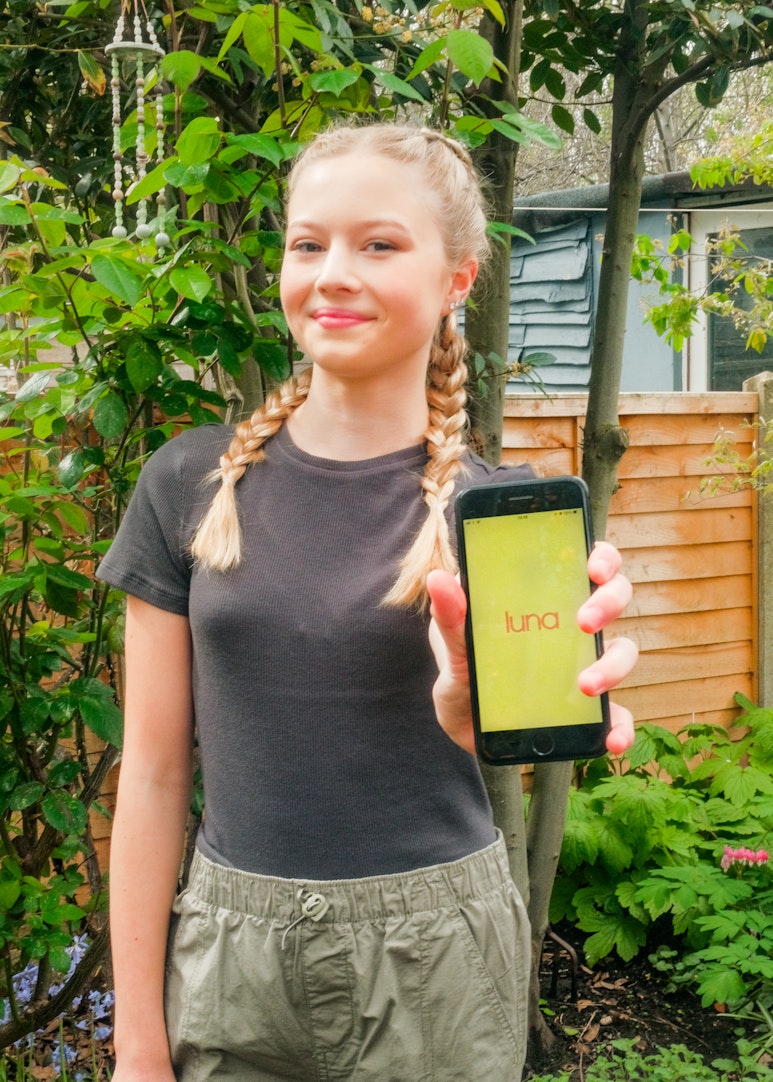
Tools like the luna app can give young people a private space to learn and ask questions they may not yet feel comfortable raising at home.
What are the signs of a controlling partner?
A controlling partner often tries to limit a teen’s independence, friendships, or choices.
This control may appear gradually and can involve pressure, guilt, or monitoring rather than obvious aggression.
Parents sometimes notice changes before a teen recognises the behaviour as concerning.
Signs can include:
- Being told who they can or cannot see
- Pressure to share passwords or location
- Frequent checking-in or monitoring
- Feeling guilty for spending time away from the partner
- Withdrawing from friends, family, or activities
- Increased anxiety about upsetting their partner
Control often develops slowly, which can make it harder for teens to recognise at first.
Why do teens get into controlling relationships?
Teens can enter controlling relationships because they are still learning about boundaries, emotions, and what healthy relationships look like.
Behaviour that feels intense or romantic at first can gradually become controlling without them realising.
Several factors can make teens more vulnerable:
- Learning boundaries for the first time
- Romantic ideas that mistake jealousy or control for care
- Wanting to feel chosen or valued
- Low confidence or self-doubt
- Fear of being alone or ending a relationship
This does not mean your daughter has done anything wrong.
Understanding why these relationships happen helps parents respond with support rather than blame.
Some young people also benefit from learning about healthy relationship patterns in neutral, private spaces.
Resources such as the luna app are designed to help teens explore topics like boundaries and emotional safety in their own time.
How do I tell my daughter I’m worried about her partner?
Telling your daughter directly that her partner is “bad” or “wrong for her” can shut conversations down.
Teens often hear this as criticism of their judgement rather than concern for their wellbeing.
A gentler approach helps keep communication open.
Framing concerns around behaviours and emotions can make it easier for your daughter to reflect without feeling attacked.
You might:
- Use “I” statements, such as “I’ve noticed you seem more stressed lately”
- Focus on how the relationship makes her feel
- Avoid labels or ultimatums unless there is immediate danger
- Reassure her that you trust her and want to support her
The aim is to keep the conversation safe enough for honesty.
How can I encourage my daughter to leave a controlling relationship?
Trying to convince your daughter directly can make her feel defensive or misunderstood.
Teens are more likely to leave when they reach that decision themselves, with support rather than pressure.
Your role is to help her notice patterns and trust her own feelings.
Helpful approaches include:
- Asking open questions such as “How do you feel when you’re with them?”
- Reflecting what you hear without arguing
- Naming behaviours without labelling the partner
- Reassuring her she will not get in trouble for being honest
- Encouraging connection with another trusted adult
Creating space for reflection is often more effective than giving instructions.
What if my daughter won’t leave the relationship?
If your daughter is not ready to leave, continuing to check in without pressure is important.
Staying connected helps reduce isolation, which is one of the main risks in controlling relationships.
Avoid shaming, criticising, or speaking negatively about her partner in front of her or others. This can make her more likely to withdraw.
Instead, encourage time with friends, maintain normal routines, and continue sharing information about healthy relationships gently.
Even if it does not seem like it, your steady support is still protective.
If you believe your daughter is in immediate danger, seek professional help straight away.
When should parents intervene in a teen relationship?
Parents should intervene when a relationship is affecting a teen’s safety, mental health, or ability to live their normal life.
If fear, isolation, or control are present, stepping in is appropriate, even if your teen resists at first.
Intervening does not always mean forcing a breakup. It may involve increasing support, setting boundaries, or involving another trusted adult or professional.
Parents may need to step in if they notice:
- Signs of emotional or physical harm
- Extreme isolation from friends or family
- Constant monitoring or pressure
- A sudden drop in school attendance or performance
- Their teen seeming scared to upset their partner
If you are unsure, speaking with a doctor, school counsellor, or safeguarding professional can help you decide next steps.
When there is immediate risk of harm, contact emergency services or the police without delay.
How we created this article:
luna's team of experts comprises GPs, Dermatologists, Safeguarding Leads and Junior Doctors as well as Medical Students with specialised interests in paediatric care, mental health and gynaecology. All articles are created by experts, and reviewed by a member of luna's senior review team.
Sources:
Home Office "Teenage relationship abuse" | Accessed 06.02.26
https://www.safeguardingworcestershire.org.uk/wp-content/uploads/2019/03/A-parent%E2%80%99s-and-carer%E2%80%99s-guide-to-violence-and-abuse-in-teenage-relationships.pdfGov.Wales "Concerned about a young person?" | Accessed 06.02.26
https://www.gov.wales/this-is-not-ok/worried-about-a-young-personWe'd love to keep in touch!
Sign up to our parent newsletter for emails on the latest teen trends, insights into our luna community and to keep up to date
By signing up, you are agreeing that we can use your email address to market to you. You can unsubscribe from marketing emails at any time by using the link in our emails. For more information, please review our privacy statement.