How to tell if your daughter has a partner
And how you can support them

Updated March 18, 2026
In this article
- How can I tell if my daughter has a boyfriend or girlfriend?
- What are some signs my daughter might have a boyfriend or girlfriend?
- At what age do most girls get a boyfriend or girlfriend?
- How do I talk to my daughter about relationships?
- What are the red flags in a teenage relationship?
- How can I navigate my teen being in a relationship?
How can I tell if my daughter has a boyfriend or girlfriend?
There’s no single sign that means your daughter has a partner, and many teens keep relationships private.
Changes in behaviour, increased phone use, or spending more time with friends can be clues.
But the most reliable way to know is through open conversation.
Some teens prefer to share details gradually, while others keep relationships quiet because they want privacy or worry about judgement.
Creating a safe, calm space makes it more likely your daughter will open up when they’re ready.
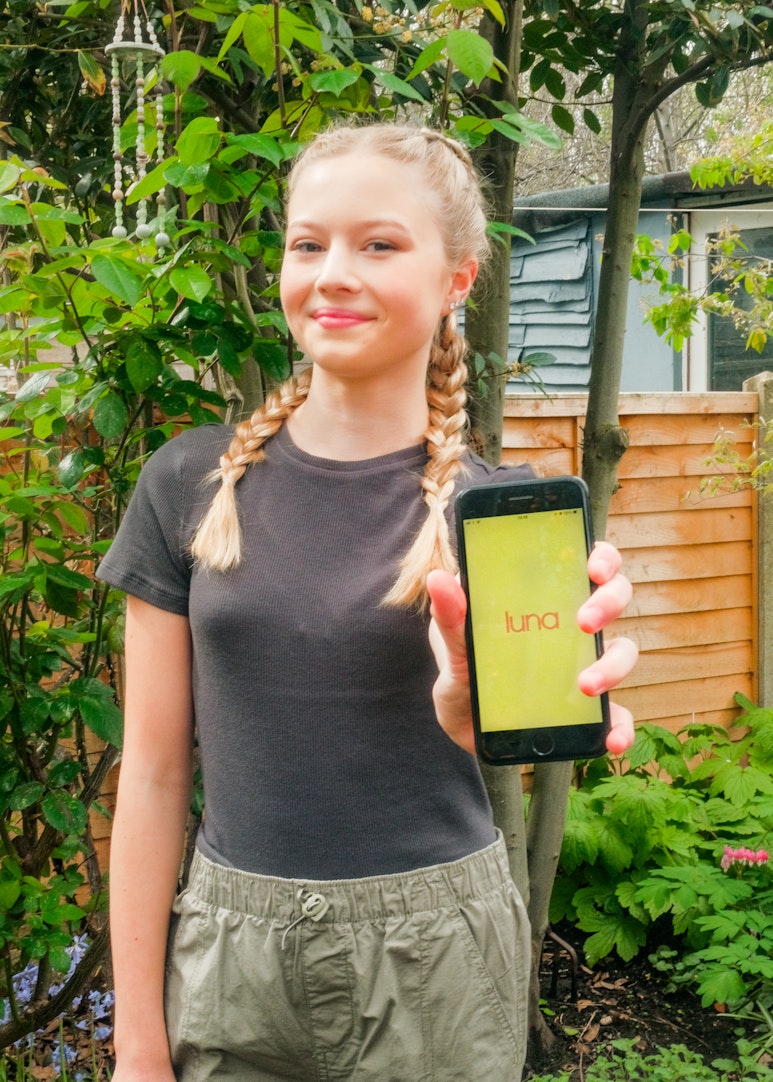
What are some signs my daughter might have a boyfriend or girlfriend?
Some teens show subtle changes when they start liking or dating someone, such as more time on their phone or an increased focus on appearance.
These signs are often about privacy, independence, and self-awareness rather than secrecy.
Changes parents might notice include:
- Spending more time on their phone or messaging apps
- Being more private about who they’re talking to
- Increased interest in appearance, clothes, or makeup
- Wanting more independence or time out with friends
- Mentioning a particular person more often
At what age do most girls get a boyfriend or girlfriend?
There’s a wide range of what’s normal when it comes to dating, and many girls don’t date until their mid-to-late teens or later.
Early teens often focus more on friendships, school, and exploring who they are.
Some teens:
- Date casually without labels
- Have short-lived “crush” relationships
- Aren’t interested in dating at all
All of these are normal. There’s no “right” age for your daughter's first relationship.
How do I talk to my daughter about relationships?
Start with curiosity, not assumptions.
Calm, open conversations help your daughter feel safe sharing without feeling interrogated or judged.
Helpful approaches include:
- Asking open questions like “How do you feel about dating?”
- Listening more than talking
- Avoiding teasing or dismissive comments
- Reassuring them they won’t get in trouble for being honest
These conversations work best when they happen naturally and regularly, rather than as one big “talk.”
What are the red flags in a teenage relationship?
Red flags include behaviours that make your daughter feel controlled, scared, or pressured.
Healthy teen relationships should feel respectful and supportive.
Even if you’re not sure your daughter has a boyfriend or girlfriend, you might notice changes in behaviour that signal they are in a relationship that could be controlling or stressful.
Signs to watch for:
- Sudden secrecy around phone or social media use
- Becoming unusually defensive or anxious about where they are going or who they are seeing
- Withdrawing from friends, family, or usual activities
- Mood swings that seem linked to interactions with someone special
- Talk of being pressured to do things they are uncomfortable with
If you notice patterns like these, it doesn’t automatically mean they are in an unhealthy relationship.
But it’s a sign to check in gently, keep communication open, and create a safe space for them to talk.
Teen dating can be informal and short-term, and many relationships happen quietly first.
Most teens are learning how to communicate, set boundaries, and manage emotions rather than building long-term relationships.
Labels like “boyfriend” or “girlfriend” may not be used, and relationships may change quickly.
However, the feelings your teen is experiencing are real.
Showing your teen your support can make a positive impact on their current and future relationships.
Parents can support by:
- Talking about consent and respect early
- Setting clear, reasonable boundaries
- Modelling healthy relationships at home
- Staying involved without being intrusive
In a recent luna poll, 1 in 4 teen girls say they most want to learn about building trust in relationships from their parents.
This shows that teens value the insights that their parents can provide them with.
Through open discussions, you can help your teen navigate crushes, relationships, and even their first breakup in a healthy and constructive way.
It’s normal to have mixed feelings when your teen starts dating.
Curiosity, worry, protectiveness, and sometimes even the feeling that you hate your daughter’s boyfriend before you’ve really had a chance to understand the situation.
What helps most is staying calm, open, and involved without being intrusive.
Teens are more likely to share what’s going on when they feel listened to, not judged.
Asking how they feel, rather than focusing on who the boyfriend is, keeps the conversation supportive.
You don’t have to like every choice your teen makes to be a steady, reassuring presence.
How we created this article:
luna's team of experts comprises GPs, Dermatologists, Safeguarding Leads and Junior Doctors as well as Medical Students with specialised interests in paediatric care, mental health and gynaecology. All articles are created by experts, and reviewed by a member of luna's senior review team.
We'd love to keep in touch!
Sign up to our parent newsletter for emails on the latest teen trends, insights into our luna community and to keep up to date
By signing up, you are agreeing that we can use your email address to market to you. You can unsubscribe from marketing emails at any time by using the link in our emails. For more information, please review our privacy statement.