What if you hate your daughter's boyfriend?
This is all too common, don't worry!

Updated January 20, 2026 • Medically reviewed by Dr. Emma Dickie
Medically reviewed by Dr. Emma DickieIn this article
- Quick summary
- Why you might dislike your daughter’s boyfriend
- Why disliking a daughter’s boyfriend can feel overwhelming
- First step: don’t say “I hate him”
- If you hate your daughter’s boyfriend, focus on this instead:
- How to talk to your daughter about a boyfriend you don’t like
- What to do if you think he’s a bad influence
- What if you think the relationship will only end in tears?
- What not to do if you hate your daughter's boyfriend
- What to do instead if you hate your daughter's boyfriend
- The goal is to be her trusted person
- When to worry about your daughter and her new boyfriend
- You don't have to love your daughter’s boyfriend
Quick summary
- Staying calm and curious (not critical) helps keep communication open when you don’t like your daughter’s boyfriend
- Talk about her feelings and explain what she deserves in a relationship e.g. through conversation or even books and film, rather than attacking him directly
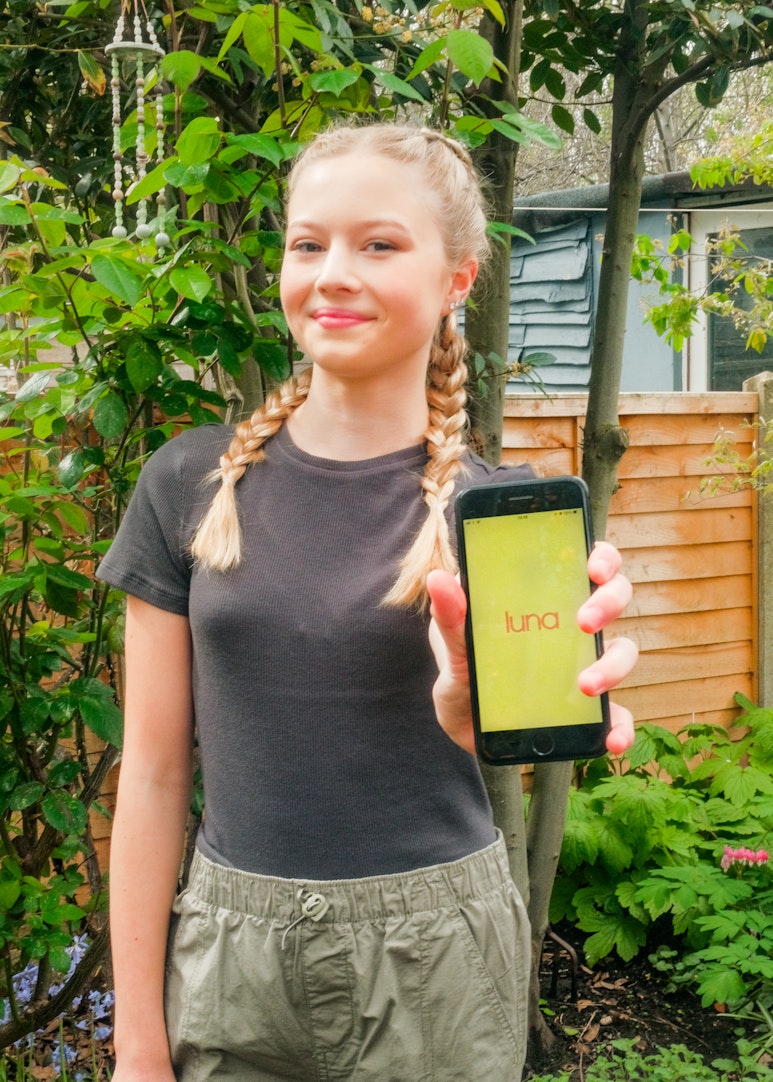
- If she needs extra guidance, the luna app can support her with articles and expert advice on what healthy relationships look like (this can be especially useful if you worry she's not turning to you for advice about her boyfriend)
I hate my daughter’s boyfriend: what should I do?
If you don’t like your daughter’s boyfriend, you’re not alone.
Many parents feel uneasy, frustrated, or downright worried when their teen starts dating someone they don’t approve of – especially if it’s her first relationship.
Teen relationships today are also shaped by social media, constant private messaging, and pressure to be “available” at all times – which can make unhealthy dynamics harder to spot.
Handled gently, this can strengthen trust between you. Handled harshly, it can push her closer to him and further away from you.
So here’s how to navigate it without damaging your relationship with your daughter, and while keeping her safe.

Why you might dislike your daughter’s boyfriend
Every parent has their own reasons, and most of them are completely understandable. You might feel:
- Protective: worried he’ll hurt her emotionally
- Suspicious: you’ve noticed red flags she hasn’t
- Unimpressed: his manners, attitude, or motivation worry you
- Left out: she’s spending more time with him than with you
- Triggered: he reminds you of someone who hurt you in the past
Your feelings are valid. But your daughter will usually see things very differently, and that’s where tensions start.
Why disliking a daughter’s boyfriend can feel overwhelming
A daughter’s first relationships often trigger strong emotions for parents because they combine protectiveness, loss of control, and fear of emotional harm.
When values, safety or self-worth feel at stake, those feelings can come out as anger or dislike – even when the deeper emotion is worry.
First step: don’t say “I hate him”
Even if you feel it, saying it out loud rarely works.
Teens are wired to defend their choices, and harsh judgement may push them to:
- hide things from you
- become more attached to him
- interpret your worry as criticism of them, not him
Instead, take a breath. Your goal isn’t to win a battle at this stage, it’s to stay connected.
If you hate your daughter’s boyfriend, focus on this instead:
- Stay curious, not critical
- Talk about behaviour, not personality
- Reinforce what she deserves
- Keep communication open
- Set boundaries calmly
- Watch for red flags, not annoyances
How to talk to your daughter about a boyfriend you don’t like

1. Start with curiosity, not criticism
Ask open, gentle questions:
- “What do you like about him?”
- “How do you feel when you’re with him?”
- “How long have you known each other?”
This gives you insight into her thinking and shows you’re not attacking her.
2. Share concerns calmly and specifically
Instead of:
❌ “He’s rude.”
Try:
✔️ “I noticed he didn’t say hello earlier, is that normal for him?”
Instead of:
❌ “He’s bad for you.”
Try:
✔️ “How does he make you feel? I want you to be with someone who treats you with kindness and respect.”
Focus on behaviours, not personality.
3. Reinforce what she deserves
This is powerful. Teens listen when you speak about her worth, not his flaws.
- “You deserve someone who listens to you.”
- “You deserve someone who speaks kindly to you.”
- “You deserve someone who makes you feel confident, not anxious.”
This helps her build her own filters, not just follow yours.
It might also help to model healthy relationship behaviours in front of her, or get her books or even films which model these for her.
What to do if you think he’s a bad influence
If you’ve spotted red flags (controlling behaviour, attitude changes, isolation from friends, secrecy), don’t panic, but don’t ignore it either.
Try:
1. Keeping communication open
The more she talks to you, the safer you can keep her.
2. Staying involved in small ways
Offer lifts. Invite him over. Keep things friendly. This lets you observe dynamics and keeps you in the loop.
3. Setting gentle, reasonable boundaries
Not punishments. Boundaries.
Things like curfews, phone-free time at home, or rules about schoolwork are normal and healthy.
What if you think the relationship will only end in tears?
Most first relationships don’t work out, and that’s okay!
If you think a breakup is likely, keep your focus on being her safe person. When it ends, she’ll need you.
This guide on supporting your daughter through a breakup can help you prepare for that moment.
What not to do if you hate your daughter's boyfriend
These can backfire instantly:
❌ forbid her from seeing him
❌ insult him
❌ accuse her of being naïve
❌ interrogate her
❌ compare him to other boys
❌ say “I told you so” (even after a breakup)
All of these can damage trust.
What to do instead if you hate your daughter's boyfriend
Try these emotionally safe alternatives:
✔️ stay warm and predictable in your support of her
✔️ set boundaries without shaming
✔️ focus on values (“respect”, “kindness”, “balance”)
✔️ keep asking how she feels in the relationship
✔️ encourage time with friends, hobbies, and school
✔️ remind her you’re always on her side
The goal is to be her trusted person
Your goal is to stay close enough that she comes to you when something feels off, when she’s confused, or when things end.
Teens learn about relationships through experience.
So if she trusts you, she’ll learn safely. And if she feels judged, she may learn alone.
Choose connection wherever possible!
When to worry about your daughter and her new boyfriend
Reach out for support if you notice:
- dramatic shifts in behaviour or mood
- isolation from friends or family
- sudden secrecy
- comments about needing his approval
- changes in sleep or appetite
- controlling behaviour (checking her phone, guilt-tripping, jealousy)
If you’re worried about emotional harm, school pastoral teams and counsellors can be great support.
You don't have to love your daughter’s boyfriend
And you don’t even have to like him!
But by staying calm, curious and connected, you protect the most important relationship of all – the one between you and her.
And that’s what will guide her safely through all the relationships she’ll have in the future.
If you ever want to help her learn about healthy boundaries, confidence in relationships, and what a healthy relationship looks like (especially if you worry she's not coming to you with all of her struggles) the luna app can support her privately, safely and with medical-approved guidance.
There's a whole library of content for her to explore, and she can even ask anonymous questions to our team (not other teens), for supportive, safe answers.
How we created this article:
luna's team of experts comprises GPs, Dermatologists, Safeguarding Leads and Junior Doctors as well as Medical Students with specialised interests in paediatric care, mental health and gynaecology. All articles are created by experts, and reviewed by a member of luna's senior review team.
We'd love to keep in touch!
Sign up to our parent newsletter for emails on the latest teen trends, insights into our luna community and to keep up to date
By signing up, you are agreeing that we can use your email address to market to you. You can unsubscribe from marketing emails at any time by using the link in our emails. For more information, please review our privacy statement.