How to tell if your daughter has a toxic friend
What to do to help
Updated August 7, 2026 • Medically reviewed by Dr. Katie Knight
Medically reviewed by Dr. Katie KnightIn this article
How do I know if my daughter has a toxic friend?
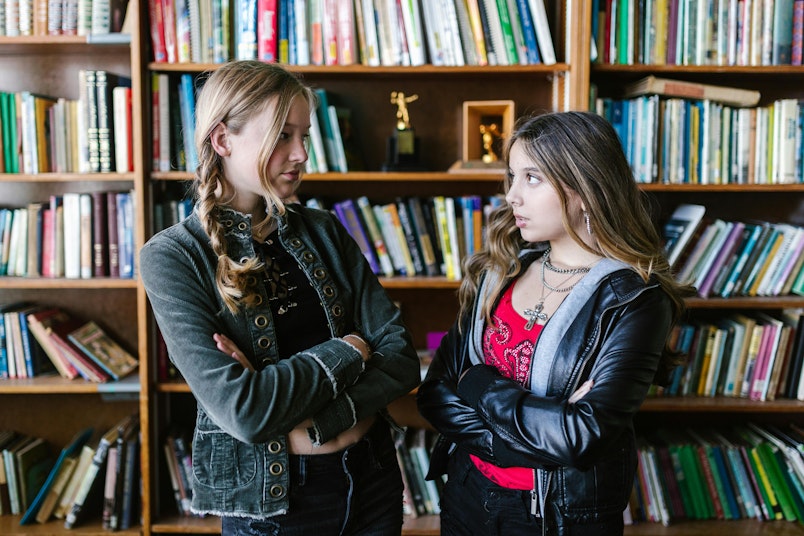
If your daughter is in a toxic friendship, you might notice changes in their mood, confidence, or behaviour.
They may seem anxious after seeing a particular friend, feel pressured to act differently, or become more withdrawn from others.
Toxic friendships often leave teens feeling drained, insecure, or unsure of themselves.
Teen friendships play a huge role in how your daughter sees themselves.
The right friendships can build confidence, happiness, and a sense of belonging.
But when a friendship turns toxic, it can quietly affect your daughter's emotional wellbeing.
Understanding what’s normal and what’s not can help you support your daughter in a steady, reassuring way.
What makes a teen friendship toxic?
A toxic friendship is one that consistently makes your daughter feel bad about themselves.
Instead of feeling supported, they may feel judged, controlled, or emotionally drained.
Toxic friends might:
- Put them down or criticise them
- Control who they spend time with
- Create drama or guilt to get their way
- Switch between being kind and hurtful
- Try to kick them out of the friend group
This inconsistency can be confusing, especially for teens who are still learning what healthy relationships look like.
They may hold onto the “good moments” and overlook the negative ones.
Over time, this can affect their confidence, self-worth, and sense of identity.
What are signs my daughter is in a toxic friendship?
Not every friendship is straightforward, but ongoing distress is a key signal that something isn’t right.
Look out for changes in mood, in their personality, and in their confidence.
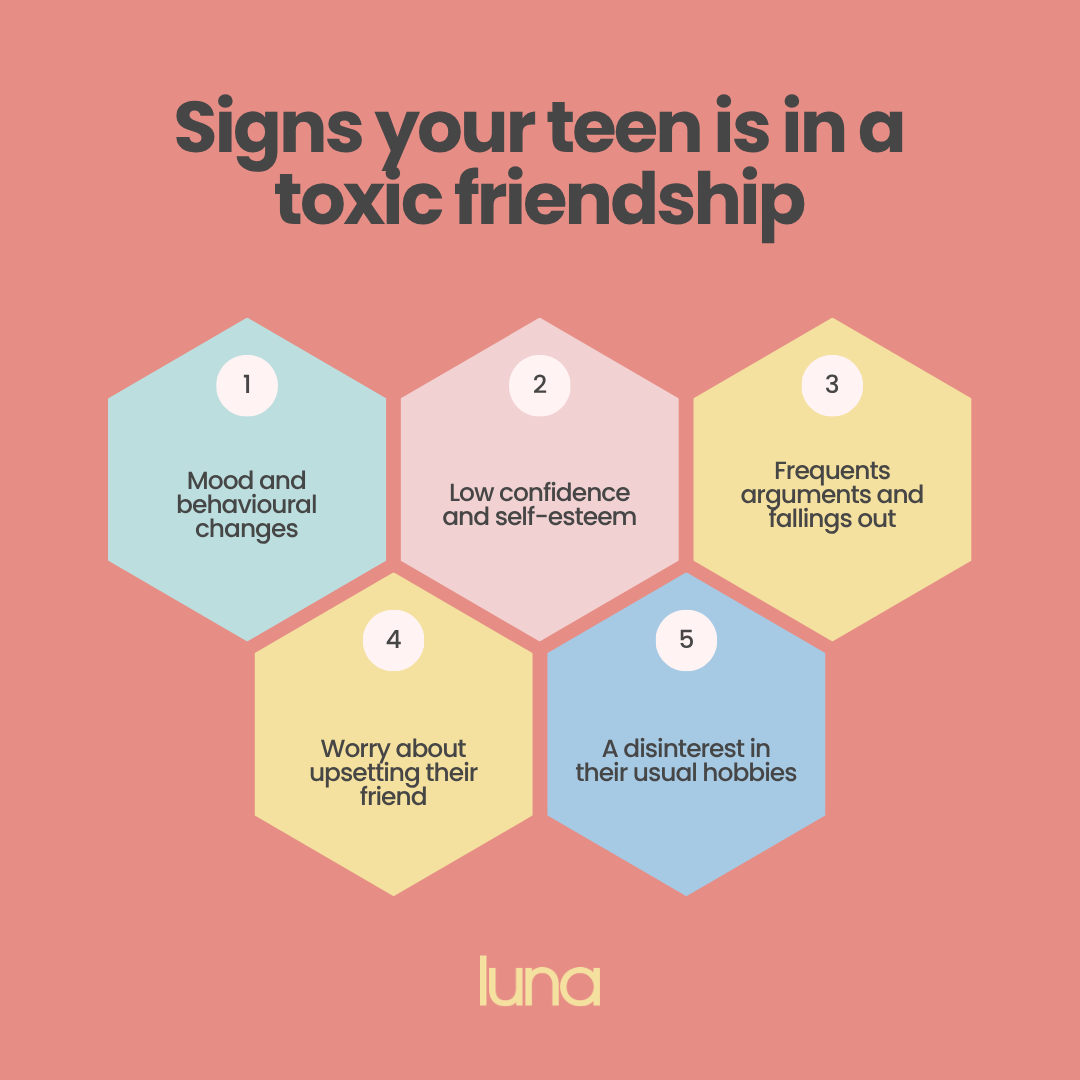
Here are common red flags that a friendship could be toxic:
- Sudden changes in mood or behaviour: your daughter may seem anxious, withdrawn, or upset after spending time with this friend – they might seem tense when the friend's name comes up
- Feeling pressured to act differently: they might change their interests, clothing, or behaviour just to fit in or avoid criticism from this friend
- Losing confidence or self-esteem: if your daughter constantly feels they're not good enough or seems to doubt themselves, their friend might be overly critical or dismissive
- Frequent conflict or drama: a toxic friendship often includes regular arguments, manipulation, or hurt feelings, leaving your daughter emotionally exhausted
- Your daughter withdraws from other friendships: they may avoid other friends or activities they used to enjoy – they might seem isolated or dependent on just this one friendship
- Excessive worry about pleasing the friend: your daughter might become overly concerned about keeping this friend happy, even at their own expense
How can I help my daughter get out of a toxic friendship?
If you suspect a friendship is causing harm, it’s a good idea to support your daughter in recognising what’s happening and feeling strong enough to respond.
Be patient, gentle, and avoid being negative or harsh about the friend.
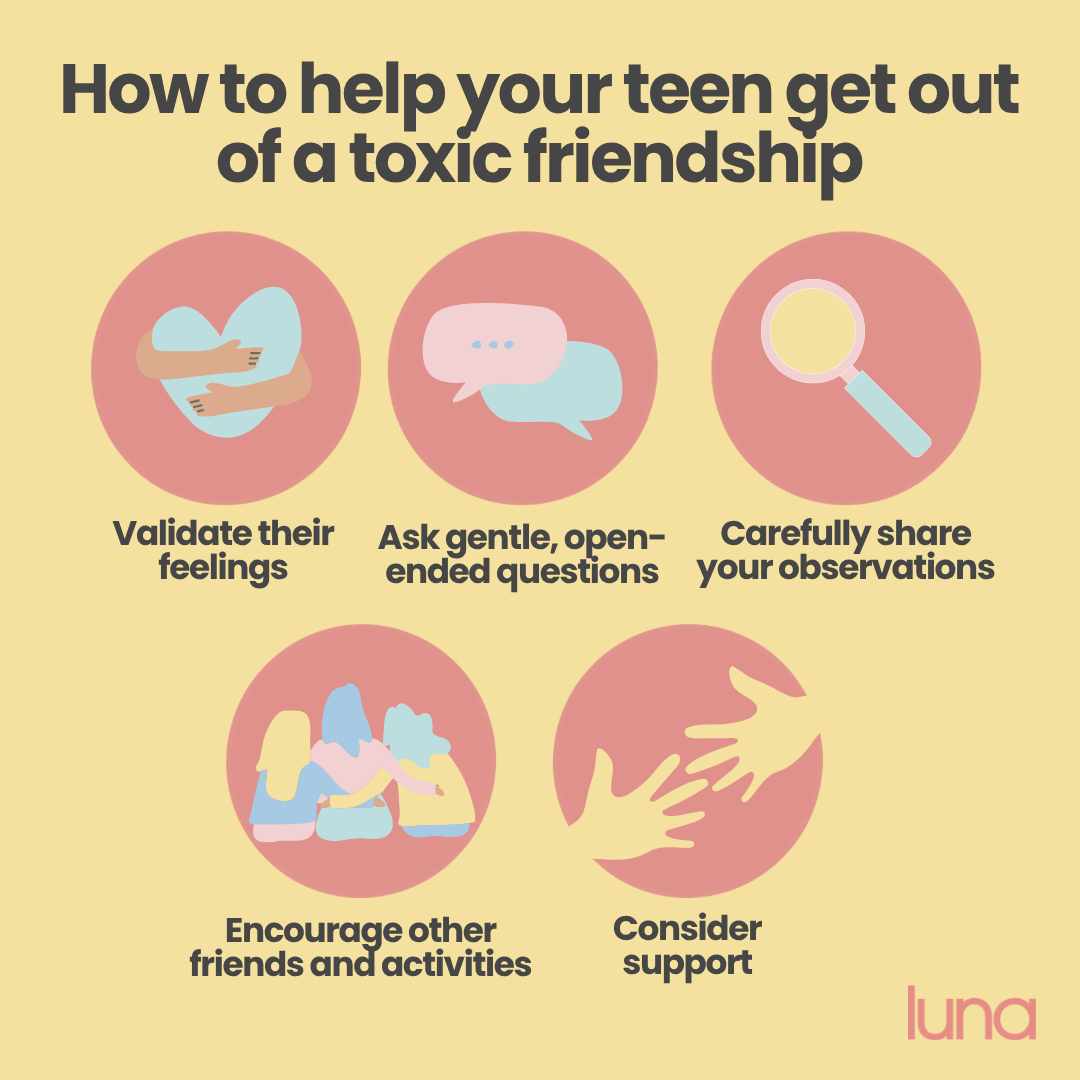
Here’s how you can help them navigate and move past a toxic relationship:
- Start gentle conversations: ask open-ended, non-judgmental questions like “how do you feel after hanging out with [friend’s name]”
- Validate their feelings: let them know you understand by saying “it sounds like this friendship is upsetting you” so they feel heard and supported
- Offer your perspective carefully: share your observations only if they’re receptive, for example “i’ve noticed you seem down after seeing them - do you think this friendship is helping you”
- Encourage other friendships and activities: suggest reconnecting with old friends, making new friends, or trying a new club or hobby to broaden their support network
- Discuss healthy boundaries: explain that respect and kindness are essential in any friendship, and help them plan how to say “no” or step back if their friend crosses the line
- Consider professional support: if your daughter remains anxious, withdrawn, or upset, offer to connect them with a counsellor, school advisor, or a free mental health resource for extra guidance
How can luna help?
Spotting a toxic friendship can feel unsettling, but it’s also an opportunity to teach your daughter about self-respect and healthy boundaries.
With your calm reassurance and open conversations, they can learn to recognise what a supportive relationship looks like.
If they need extra support, luna offers a safe space where teens can explore friendship challenges via dedicated articles and ask questions anonymously with expert answers.
How we created this article:
luna's team of experts comprises GPs, Dermatologists, Safeguarding Leads and Junior Doctors as well as Medical Students with specialised interests in paediatric care, mental health and gynaecology. All articles are created by experts, and reviewed by a member of luna's senior review team.
Sources:
Young Minds “Friendships” | Accessed 09.04.26
https://www.youngminds.org.uk/young-person/coping-with-life/friends/We'd love to keep in touch!
Sign up to our parent newsletter for emails on the latest teen trends, insights into our luna community and to keep up to date
By signing up, you are agreeing that we can use your email address to market to you. You can unsubscribe from marketing emails at any time by using the link in our emails. For more information, please review our privacy statement.