When your daughter's been kicked out of her friend group
A common and sad situation

Updated November 28, 2025 • Medically reviewed by Dr. Emma Dickie
Medically reviewed by Dr. Emma DickieIn this article
Quick summary
- Being kicked out of a friend group can feel devastating for teens, so validating your daughter’s feelings and offering calm support really helps
- Gently exploring what happened and encouraging healthy friendships can rebuild her confidence and sense of belonging.
- If she’s struggling to talk to you, luna can give her a safe space to learn about friendships, ask anonymous questions and feel less alone
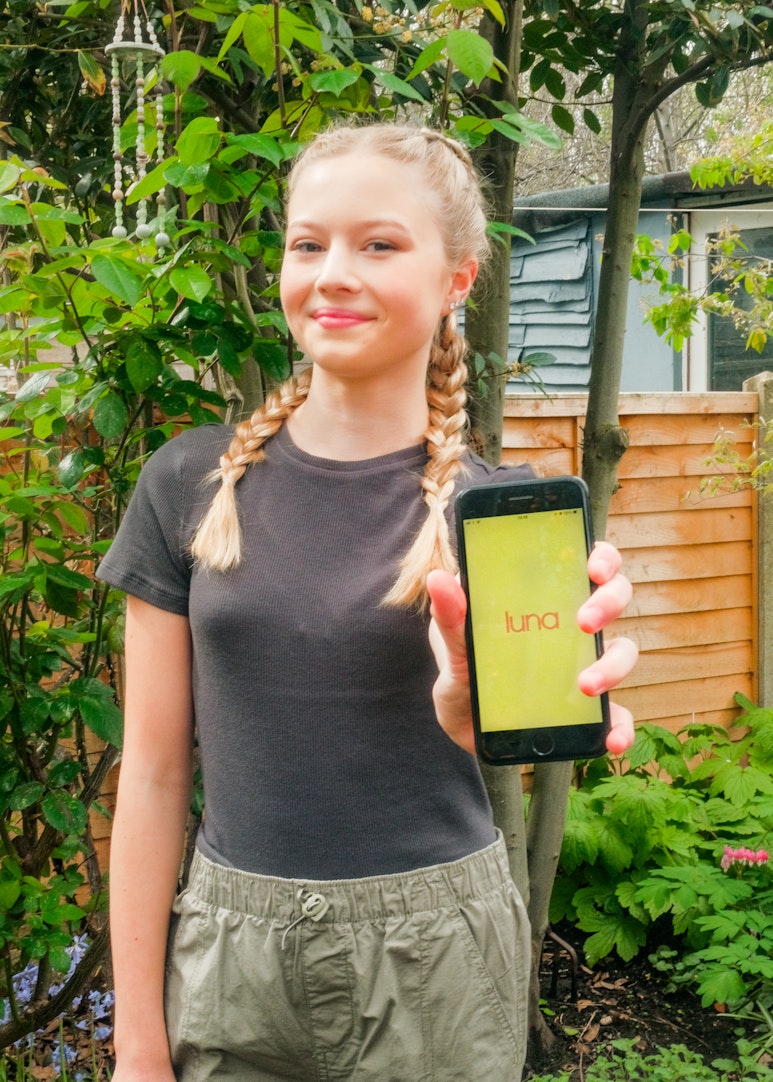
If your daughter's suddenly been kicked out of her friend group or group chat, it can feel heartbreaking to watch.
Teens often see their friendship groups as their entire world, so being excluded – especially without explanation – can feel devastating.
You’re not alone in managing this as a parent, either.
We know because we hear from thousands of girls on the luna app experiencing friendship fallouts just like this, and there are calm, practical ways to help her feel supported, grounded and less alone.
Here’s how to guide her through it.
What to do when your daughter's been kicked out of her friend group
1. Validate her feelings first
Before jumping into solutions, the most important thing you can do is acknowledge her hurt.
You could say something like:
“I’m really sorry this happened. It makes sense that you feel upset – anyone would.”
Being excluded can knock her confidence and trigger anxiety, so validating her emotions helps her feel safe enough to talk.
If it feels natural, share a gentle memory of a time you experienced something similar and got through it – this can make her feel less alone.
2. Help her talk through what happened
Once she’s calmer, you might say:
“Walk me through what happened before you were kicked out – anything stand out?”
This isn’t about blaming her, but understanding:
- What the last conversation was
- Whether she knows the people well
- If there were signs of tension beforehand
This context can help you spot whether it’s a misunderstanding, a one-off conflict, or something more concerning.
If you're worried the behaviour is part of a pattern, these guides may help:
3. Consider whether she should reach out
If she feels up to it (and it’s emotionally safe), she could send a simple, calm message to one person she trusts most from the group:
“Hey, I noticed I’m not in the group anymore – just wanted to check if I’ve upset anyone or missed something?”
Often a gentle message clears up misunderstandings quickly.
If you know any of the parents well, it may also be worth checking in privately to understand if they know more – but avoid escalating it unless necessary.
If the exclusion seems more deliberate or repeated, you can read how to help if your teen is being bullied
4. Support her socially while things settle
Friendship turbulence at this age is extremely common – and, thankfully, often temporary.
While things feel raw, help her stay connected to people who make her feel good.
You could gently encourage:
- Spending time with one or two close friends
- Clubs, hobbies or sports where friendships feel easier
- A relaxing evening together (movie night, baking, crafts)
- Inviting someone over for a cosy sleepover
These articles may help boost her confidence and widen her circle:
Small positive interactions help her remember that this one group doesn't define her worth.
5. Keep an eye on her wellbeing
It’s normal for her to feel sad or embarrassed for a few days. But if she:
- Withdraws socially
- Loses interest in her usual activities
- Struggles to sleep or eat
- Seems worried all the time
…then checking in with her school’s pastoral team or a counsellor can help. Friendship issues often play out at school, so teachers may have extra insight.
6. Get her set up on luna for extra support
The luna app can help her feel less alone during friendship ups and downs. Teens often message us about:
- Fallouts
- Group chat drama
- Being excluded
- Low confidence
- Worries about friendships
On luna she can read age-appropriate content on friendships, see other real anonymous questions from girls her age to see she's really not alone, and ask her own questions privately to experts (not other teens) without embarrassment.
Sometimes hearing, “this happens to everyone, and it won’t always feel like this,” from a trusted space makes a huge difference.
This is all too common, and she's not alone!
Most teens go through at least one friendship fallout, and although it feels huge to her now, these situations often resolve or eventually fade away.
By staying calm, listening and keeping her world bigger than one friendship group, you’ll help her build resilience, confidence and healthier relationships in the long run.
How we created this article:
luna's team of experts comprises GPs, Dermatologists, Safeguarding Leads and Junior Doctors as well as Medical Students with specialised interests in paediatric care, mental health and gynaecology. All articles are created by experts, and reviewed by a member of luna's senior review team.
We'd love to keep in touch!
Sign up to our parent newsletter for emails on the latest teen trends, insights into our luna community and to keep up to date
By signing up, you are agreeing that we can use your email address to market to you. You can unsubscribe from marketing emails at any time by using the link in our emails. For more information, please review our privacy statement.