What questions should I ask my daughter’s partner?
What to ask (and what to avoid) when meeting them

Updated March 18, 2026
In this article
- What questions should I ask my daughter’s boyfriend or girlfriend?
- Should I ask questions when I meet my daughter’s boyfriend or girlfriend?
- What’s the best way to start the conversation?
- What questions should I avoid asking my daughter’s boyfriend or girlfriend?
- What are some funny things to say to my daughter’s boyfriend or girlfriend?
- What questions should a father ask his daughter’s boyfriend or girlfriend?
- How do I understand if my daughter's boyfriend or girlfriend is of good character?
- How can I show my values without turning it into a lecture?
- What if I feel uncomfortable with their behaviour or attitude?
- How does my reaction affect my daughter long-term?
- How can I keep conversations about relationships going over time?
What questions should I ask my daughter’s boyfriend or girlfriend?
You should ask respectful, open-ended questions that help you understand who they are, how they treat your daughter, and whether they show kindness and respect.
The goal isn’t to interrogate or intimidate, but to create a calm, welcoming atmosphere where your daughter feels safe introducing the person she cares about.
When questions are asked with curiosity rather than control, it keeps communication open and builds trust for future conversations about relationships.
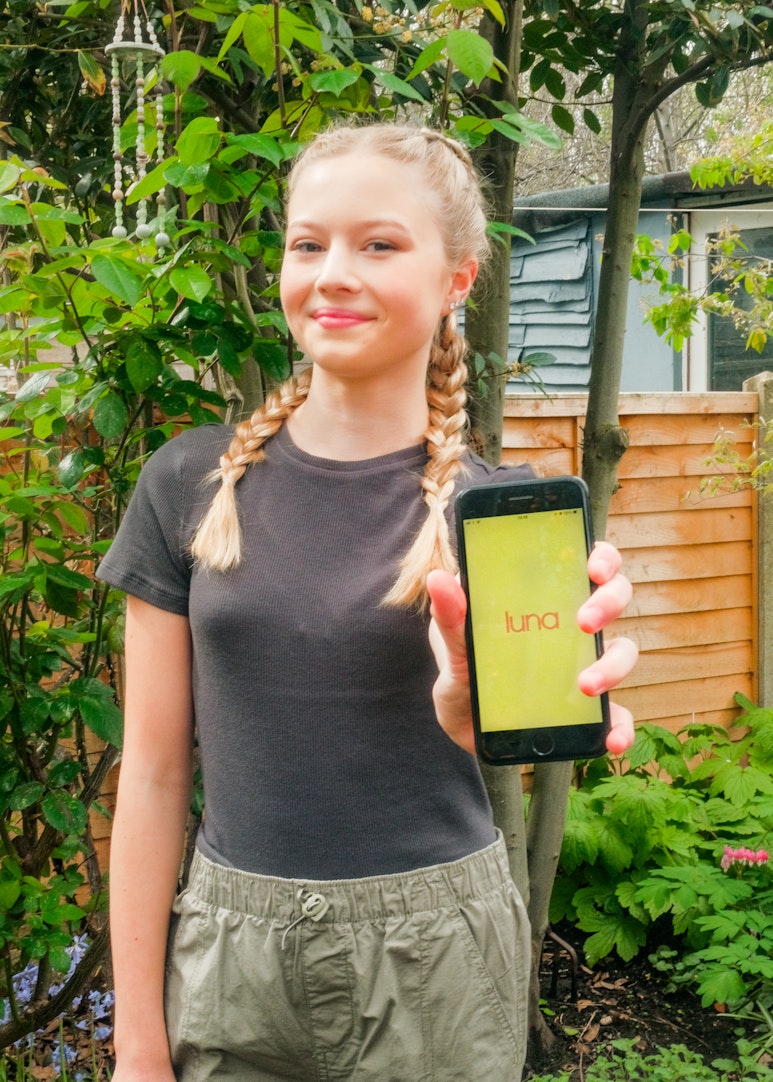
Should I ask questions when I meet my daughter’s boyfriend or girlfriend?
Asking questions helps you understand who your daughter is spending time with and shows her that you care without being controlling.
It creates an opportunity to model respect, set expectations subtly, and keep communication open rather than secretive.
When done calmly, questions help build trust and make it more likely your daughter will talk to you about her relationships in the future.
Many parents worry that asking questions will feel intrusive, but silence can feel worse to teens.
A warm, curious approach reassures her that she doesn’t need to hide important parts of her life from you.
What’s the best way to start the conversation?
The best way to start is with light, neutral questions that feel welcoming rather than evaluative.
This helps everyone relax and sets a positive tone for the interaction.
Good conversation starters include:
- “How did you two meet?”
- “What do you like doing together?”
- “How’s school going for you at the moment?”
Avoid starting with serious or loaded questions.
Your daughter will be watching your tone closely, and a calm beginning makes it easier for her to feel proud – not anxious – about introducing her partner.
Question ideas to get to know them better
If you’re wondering what questions to ask your daughter’s partner, the best approach is curiosity rather than interrogation.
You’re not there to assess, cross-examine or catch them out initially.
You’re there to understand who they are, how they treat your daughter, and what matters to them.
Good, low-pressure questions include:
- “What’s something you’re proud of right now?”
- “What are you looking forward to this year?”
- “What kind of music or shows are you into?”
- “Who do you usually hang out with?”
- “What do you do to relax?”
These questions:
- invite conversation rather than defence
- give you insight into values and communication style
- help your daughter feel respected, not monitored
What questions should I avoid asking my daughter’s boyfriend or girlfriend?
You should avoid questions that feel confrontational, threatening, or embarrassing, as these often shut teens down and can damage trust with your daughter.
Try to steer clear of:
- Jokes about rules or curfews
- Questions about sex, physical boundaries, or long-term commitment
- Anything designed to intimidate rather than connect
Even if well-intended, these questions often make teens defensive and can make your daughter feel caught in the middle.
What are some funny things to say to my daughter’s boyfriend or girlfriend?
A little light humour can help break the ice when meeting your daughter’s partner.
But only if it’s gentle, inclusive and not at their expense.
The goal isn’t to intimidate or embarrass.
It’s to signal warmth, confidence and calm, while keeping the power dynamic balanced.
Some examples that tend to land well:
- “We’ve heard good things – no pressure though.”
- “Welcome! Would you like a drink before we put you on the spot?”
- “We’re still learning how this works – bear with us.”
- “You’re officially part of the chaos now.”
- “Relax, we’re much nicer than we look.”
These kinds of comments:
- ease tension
- show emotional maturity
- help your daughter feel less caught in the middle
What to avoid are jokes about:
- the future of the relationship
- rules about sex
- past boyfriends
- or comments designed to “test” him
Even if meant playfully, those can make your daughter feel exposed or embarrassed, and may push her to protect him rather than stay open with you.
If humour doesn’t come naturally, that’s okay. Calm friendliness is far more important than being funny.
What questions should a father ask his daughter’s boyfriend or girlfriend?
We all grew up in different sorts of households, and if we are from a more traditional upbringing, we may have remembered the "talk" a girl's dad has with her boyfriend.
So what about nowadays? Is there still room for the "talk"? And if so, what do you say?
Well, luna recommends that when a dad meets his daughter’s boyfriend or girlfriend, set a goal to not entirely grill them, just get a sense of who they are while keeping the daughter's comfort front of mind.
Here are some simple, respectful questions that work well:
Start light
- “What classes in school are you taking?”
- “Is there a TV show you are enjoying at the moment?”
- “Whereabouts do you live?”
These open the conversation without putting anyone on the spot.
Gently get a feel for their character
- “What do your friends say you’re like?”
- “What are your favourite things to do on a Friday night?”
- “Have you got any fun hobbies?”
Short, friendly questions like these help show whether they’re polite, thoughtful and respectful.
Avoid the stereotypical ‘dad interrogation’
Teens shut down fast if things feel confrontational, so it’s best to steer clear of:
❌ “What are your intentions?”
❌ “When do you have to be home?”
❌ Jokes about hurting them if they hurt your daughter
These tend to embarrass your daughter more than protect her.
Focus on creating an atmosphere your daughter trusts
If the meeting goes well, she’s far more likely to talk to you openly about this relationship, and future ones. That’s the real win here!
How do I understand if my daughter's boyfriend or girlfriend is of good character?
Questions that focus on everyday life and values give you insight without putting anyone on the spot.
These help you observe how they speak, listen, and respond.
You might ask:
- “What do you enjoy doing outside of school?”
- “What are you most interested in right now?”
- “What do you appreciate about spending time with my daughter?”
Asked warmly, these questions can reveal maturity, empathy, and respect – without turning the moment into an interrogation.
How can I show my values without turning it into a lecture?
You can communicate your values through tone, behaviour, and small comments rather than formal “talks.”
Simple statements often land better than speeches.
For example:
- “We’re big on kindness and respect in this house.”
- “We want everyone to feel comfortable here.”
- “Honesty matters to us.”
These gently set expectations without embarrassing your daughter or putting her partner under pressure.
What if I feel uncomfortable with their behaviour or attitude?
If something feels off, it’s usually best to wait and talk to your daughter privately rather than addressing it in the moment.
Leading with curiosity instead of criticism keeps the conversation open.
You could say:
- “How do you feel when you’re around them?”
- “Did anything today feel uncomfortable to you?”
- “I might be overthinking, but I wanted to check in.”
If your concerns persist, you may find this guide helpful: I hate my daughter’s boyfriend.
If your daughter is unsure how to interpret her feelings, the luna app has content explaining healthy vs unhealthy relationship dynamics which can help her make sense of things without pressure.
How does my reaction affect my daughter long-term?
How you respond now can shape whether your daughter feels safe coming to you about relationships in the future.
A calm, supportive reaction builds trust; a judgemental one often leads to secrecy.
First relationships are rarely permanent, but the communication patterns you set can last for years.
Staying open, even when you’re worried, helps your daughter develop confidence, boundaries, and self-respect.
If the relationship ends, you may also want to read how to support your teen through their first breakup.
Some teens also find it easier to learn about relationships independently first.
Having access to expert-reviewed resources – rather than relying on social media or peer advice – can help them build healthier expectations over time.
That’s where luna can help 👇
How can I keep conversations about relationships going over time?
Ongoing conversations work best when they’re low-pressure and not tied to moments of conflict.
Gentle check-ins often feel safer to teens than formal talks.
Some parents find it helpful to use external resources as a springboard, such as expert-reviewed content on healthy relationships.
You can also explore your daughter’s first relationship for more guidance on navigating this stage with confidence.
Some parents find it helpful to give their teen access to trusted, expert-reviewed information about relationships, so conversations don’t have to start from scratch every time.
Apps like luna offer medically-reviewed guidance on healthy relationships, boundaries, and red flags, and allow teens to ask questions anonymously – which can be much safer than forums or social media.
This can make it easier for your daughter to explore her thoughts privately, then come to you when she’s ready to talk.
How we created this article:
luna's team of experts comprises GPs, Dermatologists, Safeguarding Leads and Junior Doctors as well as Medical Students with specialised interests in paediatric care, mental health and gynaecology. All articles are created by experts, and reviewed by a member of luna's senior review team.
We'd love to keep in touch!
Sign up to our parent newsletter for emails on the latest teen trends, insights into our luna community and to keep up to date
By signing up, you are agreeing that we can use your email address to market to you. You can unsubscribe from marketing emails at any time by using the link in our emails. For more information, please review our privacy statement.