What is algospeak?
Coded language online

Updated December 16, 2025 • Medically reviewed by Dr. Emma Dickie
Medically reviewed by Dr. Emma DickieIn this article
Quick summary
- Algospeak is coded language teens use online to bypass filters, stay visible on social media, and participate in trends
- While often harmless, algospeak can sometimes hide serious topics like mental health struggles or stressful situations
- Staying curious, having gentle conversations, and supporting your teen’s wellbeing is important in the digital age
If you sometimes feel like teens are speaking a whole different language online… you’re not wrong.
Social media evolves quickly, and many parents find themselves wondering, “What on earth does that mean?”
A growing part of this digital vocabulary is algospeak, which is coded or altered language teens use to get around platform filters.
Understanding what it means (and why teens use it) makes online life feel a lot less mysterious and opens the door for supportive conversations at home.
Algospeak meaning
Algospeak is a form of coded language teens use online, especially on platforms like TikTok, Instagram, and YouTube.
Instead of writing a word directly, they’ll tweak it, maybe swapping letters, using emojis, or changing spelling, so the platform’s moderation tools won’t hide or block the content.
The goal isn’t to be sneaky toward parents; it’s usually about keeping their posts visible, connecting with friends, and avoiding automatic takedowns.
Why teens use algospeak
Teens don’t use algospeak just to be quirky; there are clear reasons behind it.
Understanding those reasons helps parents decode what’s going on, without assuming something worrying:
- To avoid having posts removed or hidden
- To keep content visible in algorithm feeds
- To join Instagram and TikTok trends that rely on coded wording
- To discuss sensitive topics without triggering moderation filters
- To speak in the shared “language” their peers are using
Common examples of algospeak
Once you know what to look for, algospeak becomes surprisingly easy to spot.
It’s all about swapping characters, tweaking words, or substituting emojis so the platform doesn’t flag what’s being said.
- Using softer or swapped letters (e.g., “unalive” instead of “dead”)
- Replacing words with emojis
- Using numbers or symbols in place of letters ( e.g., “d3pr3ssed” instead of “depressed”)
- Making heavy topics, such as low self-esteem and anxiety, sound harmless with gentle phrasing
- Deliberately misspelling words to slip past content filters (e.g., “sewer slide” instead of “suicide”)
Why algospeak can be confusing for parents
These words appear harmless at first glance, which means it can be hard for parents to know when there is a problem or not.
To make it even more confusing, the meaning behind the words can change quickly.
A phrase used one way on TikTok might mean something totally different on Instagram, and tomorrow it could shift again.
Teens are often fluent in these shifts because they’re immersed in online culture all day.
And the tricky part is that teens don’t usually explain what the terms mean.
Not because they’re hiding something, but because they assume everyone knows.
It's like they're speaking a dialect you're not exposed to.
When algospeak might be a concern
Most of the time, algospeak is harmless fun. But occasionally, teens use coded language to talk about stress, sadness, or heavier topics without saying it outright.
Because it’s disguised, parents may not spot emotional changes right away. You don’t need to “police” their messages, just stay aware and check in if something feels off.
Watch out for signs your teen might be struggling:
- Withdrawal from friends or activities they normally enjoy
- Noticeable mood swings
- Increased irritability, tearfulness, or frustration
- Trouble sleeping or wanting to stay in bed
- Talking negatively about themselves, even jokingly
- A drop in school performance or motivation
- Using emojis, metaphors, or coded words to talk about stress repeatedly
When it comes to talking to your teen about mental health, it is always better to raise concerns than to ignore them.
Helping your teen feel heard
Algospeak is a normal part of online teen culture, but it can sometimes hide important messages or feelings.
By understanding how it works, you can stay connected, notice when something might be worrying, and respond in a supportive way.
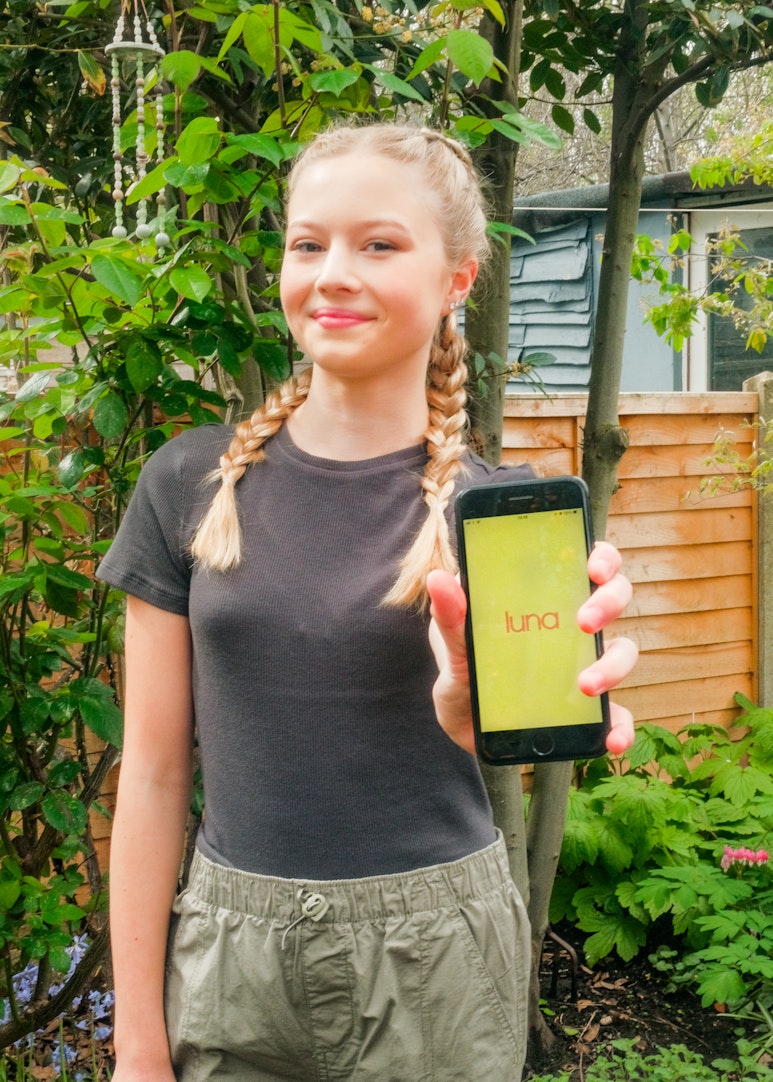
And, if you want to introduce your teen to an open, supportive teen app, check out luna.
On luna, your teen can learn about their wellbeing, explore mental health topics, and build confidence in understanding their emotions.
How we created this article:
luna's team of experts comprises GPs, Dermatologists, Safeguarding Leads and Junior Doctors as well as Medical Students with specialised interests in paediatric care, mental health and gynaecology. All articles are created by experts, and reviewed by a member of luna's senior review team.
We'd love to keep in touch!
Sign up to our parent newsletter for emails on the latest teen trends, insights into our luna community and to keep up to date
By signing up, you are agreeing that we can use your email address to market to you. You can unsubscribe from marketing emails at any time by using the link in our emails. For more information, please review our privacy statement.