
How to ask for help when you need it
What to say and how to say it 🗣️
Quick summary 📝
1️⃣ Asking for help is a smart and brave thing to do, whether something feels big or small
2️⃣ To ask for help, approach someone you trust, find a quiet place to chat, share your feelings honestly, and give them time to find a solution
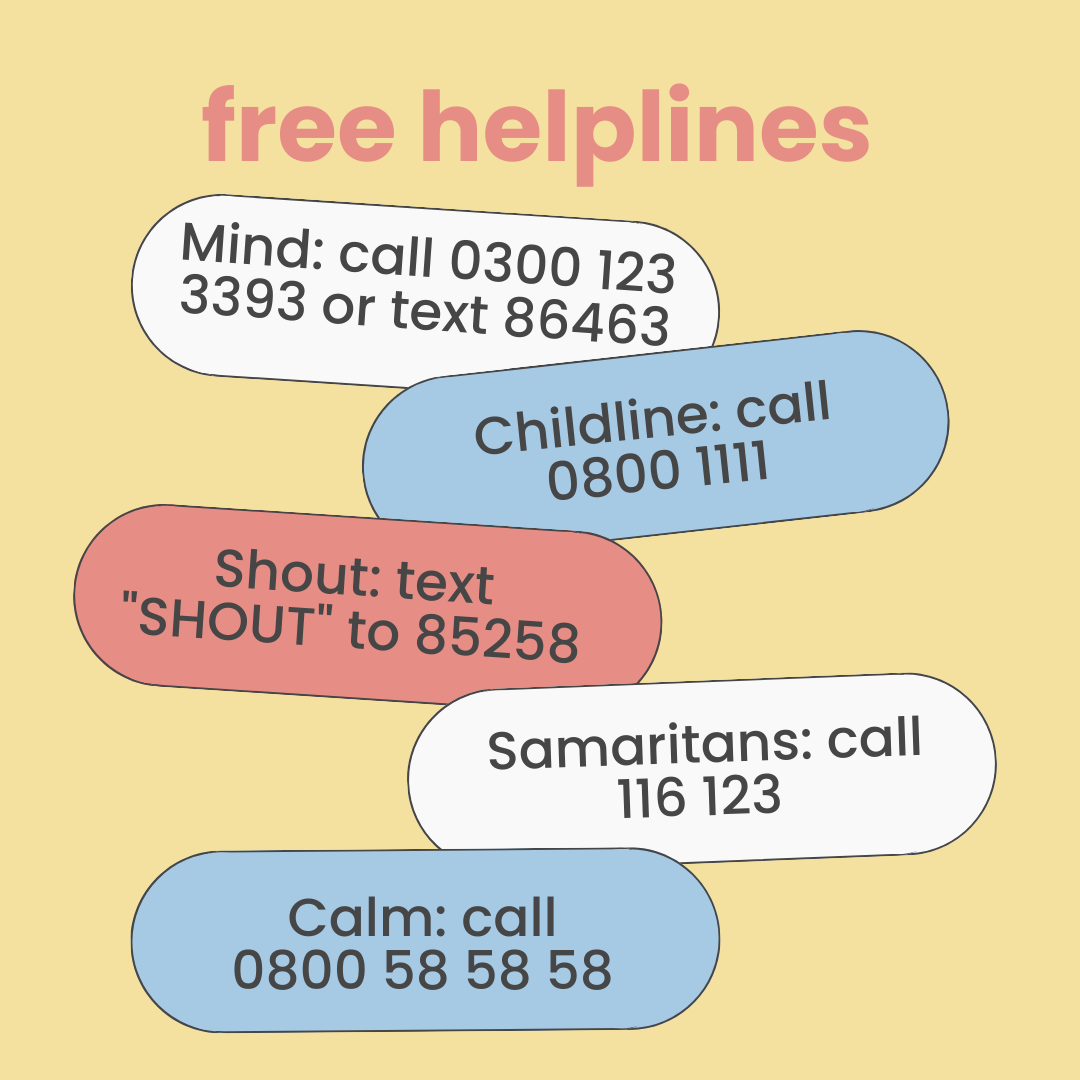
3️⃣ There are lots of services available if you aren’t ready to speak to someone you know, such as Mind, Childline, Shout, Samaritans, and CALM
We all go through tough stuff, and you don’t have to wait until things feel really bad to ask for help 💙
Whether you're facing problems with school, friends, or your own feelings, seeking support is a smart and brave thing to do.
Whilst every situation is different, below are some general pointers to help you approach this conversation.
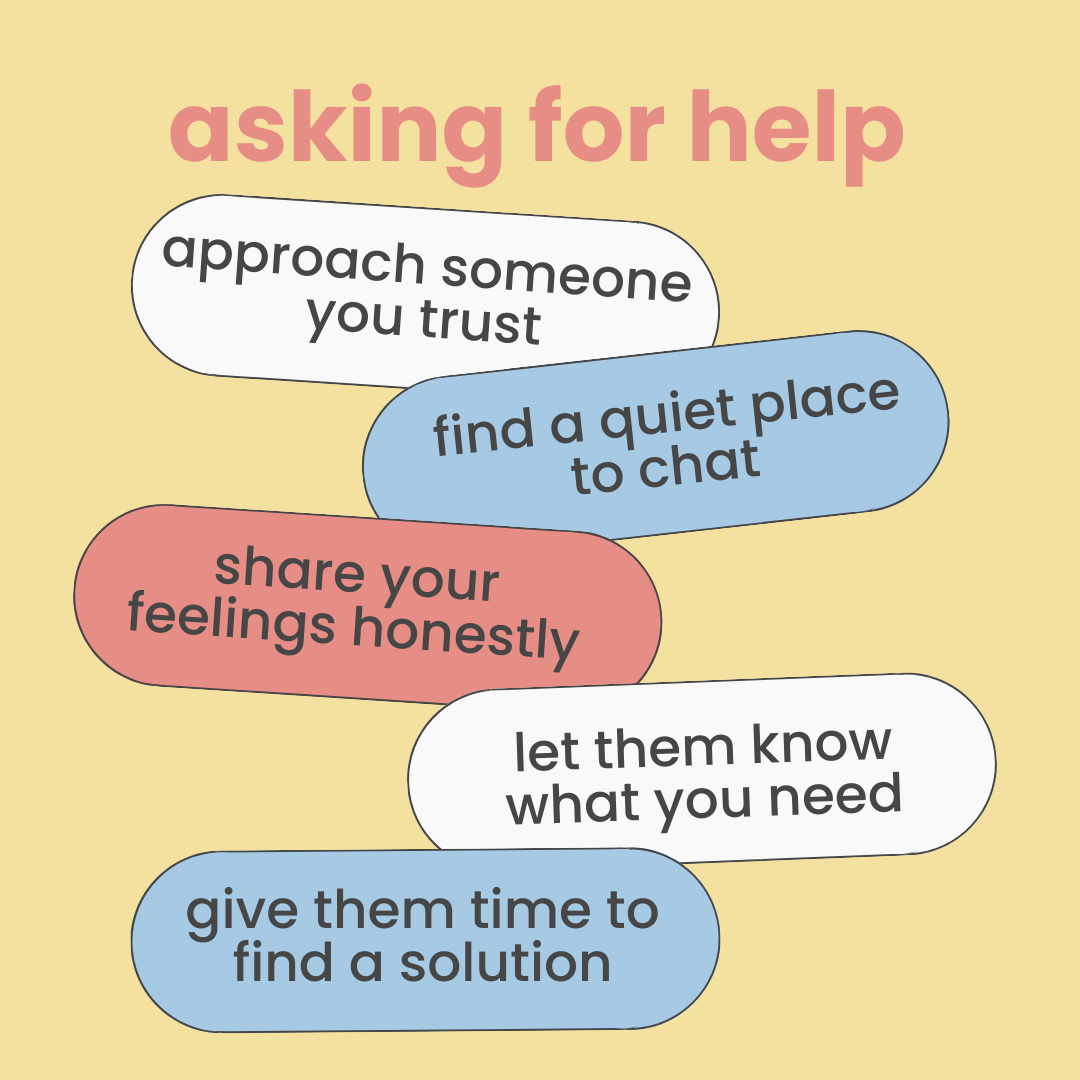
Let's go through some steps you can take 👇
Step 1: initiate the conversation
The first step in asking for help is to talk to someone you trust, like a parent, guardian, teacher, or a close friend.
It can be scary, but remember, they care about you and want to help 💕
Some things you could say are:
👉 “Can we chat about something that’s been on my mind? Maybe somewhere private?”
👉 “I’m going through something and could really use your advice. Are you free to talk soon?”
👉 “There’s something that’s been worrying me. Can we find a time to talk?”
Step 2: choose the right time and place
Find a quiet, comfortable spot to chat.
This way, you can have a real heart-to-heart without interruptions or distractions.
The kinds of spaces these could be are:
👉 From the comfort of your own bedroom (if with a friend or family member)
👉 Walking around a park or sitting on a park bench
👉 A teacher’s office (if you're speaking to a teacher or member of school staff)
Step 3: be honest and open
When you talk to someone, be honest about what's bothering you.
Share your feelings, and don't be afraid to say you're struggling.
It's okay not to have all the answers ✨
Some ways you can open up are:
👉 I've been feeling…e.g., "I've been feeling a bit overwhelmed lately"
👉 Lately, I've noticed that...e.g., "Lately, I've noticed that my mood has been consistently low"
👉 I wanted to talk to you about...e.g., "I wanted to talk to you about some challenges I've been facing"
👉 I'm struggling with...e.g., "I'm struggling with anxiety, and I thought it would be helpful to discuss it with you"
👉 I'm not sure how to handle...e.g., "I'm not sure how to handle my emotions lately, and I thought it would be good to get your perspective"
👉 I've been having a hard time with...e.g., "I've been having a hard time with self-esteem issues recently"
Step 4: ask for what you need
Tell the person how they can help you.
Whether it's advice, a listening ear, or a hug, let them know what you're looking for.
Some examples of what you could ask for are:
👉 “Could you help me figure out how to handle this?”
👉 “I don’t need advice right now. I just need someone to listen.”
👉 “Honestly, I could really do with a hug.”
Step 5: be patient
Sometimes, it might take a little time for the person you're talking to to understand your situation fully.
Be patient, and give them the chance to absorb what you've shared so they can help you in the best way possible.
In the meantime, practise self-care, such as engaging in your favourite hobbies.
If the first person you talk to doesn’t help, that’s not your fault. Keep trying someone else, like another family member, a teacher, or a helpline.
Step 6: keep talking
Even after you've asked for help, don't be afraid to keep the conversation going.
Updates and check-ins with the people supporting you can make a big difference.
Seek professional help if you need it
If you're going through something big and feel like you can't talk to friends or family, it's okay and important to reach out to a professional 💕
For example, school counsellors are trained to help with tricky things
There are also lots of great organisations that can offer information and support:
👉 Mind: call 0300 123 3393 or text 86463 (9am to 6pm on weekdays)
👉 Childline: call 0800 1111. The number will not show up on your phone bill
👉 Shout Crisis Text Line: text "SHOUT" to 85258
👉 Samaritans: call 116 123
👉 CALM (Campaign Against Living Miserably): call 0800 58 58 58 (5pm to midnight every day) or try the webchat service
If you feel like you might hurt yourself or you’re in danger right now, call 999 or go to A&E.
The most important takeaway here is that you aren’t alone. Asking for help doesn't mean you're weak.
In fact, it takes strength to admit you need help. We all do at some point.
How we created this article:
luna's team of experts comprises GPs, Dermatologists, Safeguarding Leads and Junior Doctors as well as Medical Students with specialised interests in paediatric care, mental health and gynaecology. All articles are created by experts, and reviewed by a member of luna's senior review team.
Sources:
Child Mind Institute "Getting help if you think you need it" | Accessed 12.10.26
https://childmind.org/article/how-to-talk-to-your-parents-about-getting-help-if-you-think-you-need-it/YoungMinds "Reaching out for help" | Accessed 12.10.26
https://www.youngminds.org.uk/young-person/your-guide-to-support/reaching-out-for-help/