Best mental health apps for teens
Gentle support for teen minds and big emotions

Updated March 16, 2026
In this article
Being a teenager today isn’t easy.
Between school anxiety, friendships, glow up trends, growing independence, and big emotional changes, it’s completely normal for teens to feel overwhelmed sometimes.
As a parent, you might want to help.
But teens don’t always want to talk, and they don’t always have the words for what they’re feeling.
That’s where the right apps can offer quiet support.
When chosen well, mental health apps can help teens understand their emotions, build resilience, and practise healthy coping strategies in a way that feels private and non-clinical.
Apps work best as one part of support, not the whole plan.
If your teen is struggling day to day, it’s also worth looking at wider support at home and professional help if needed.
Here are some mental health apps for teens that focus on wellbeing, emotional regulation, and confidence.
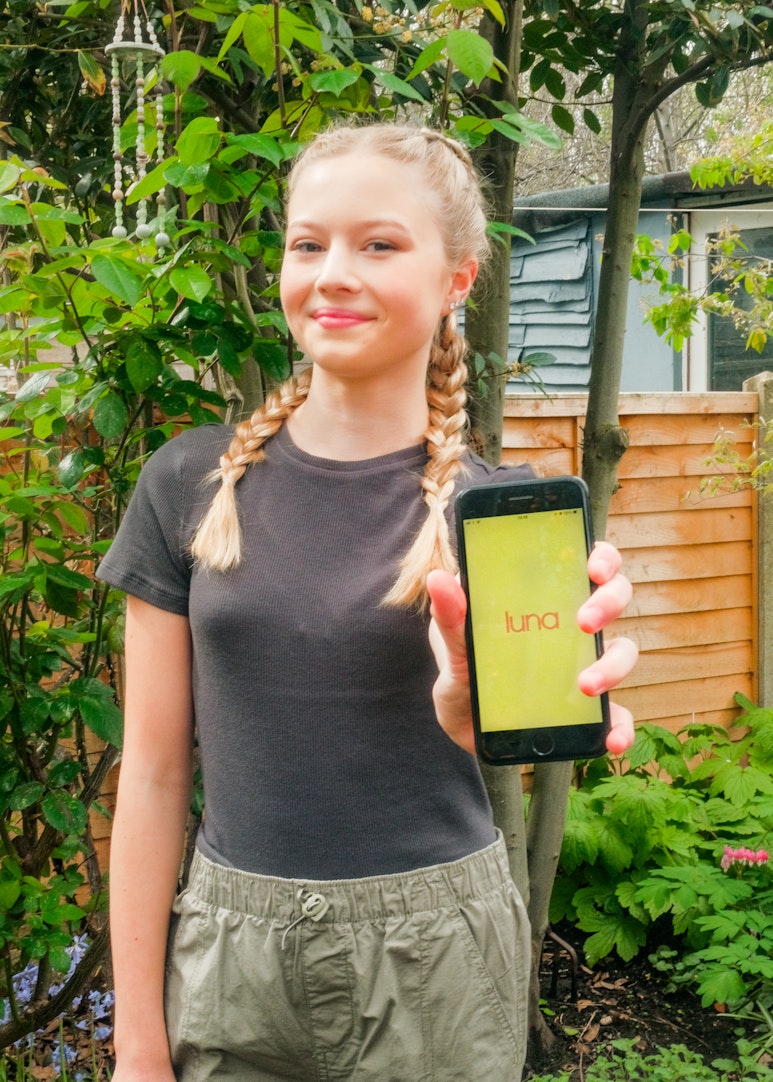
luna
Age rating: 11 + (13+ in the US)
luna is designed around the day-to-day emotional realities of being a teen, helping young people understand their feelings rather than only responding when things feel overwhelming.
Through mood and symptom tracking, teens can start to notice patterns in how sleep, hormones, friendships, and everyday stress affect their mental wellbeing.
This can make emotions feel more predictable and easier to manage over time.
Unlike apps focused on crisis support, luna works more as an early-support or preventative tool.
It helps teens build emotional awareness, understand what’s normal during adolescence, and develop healthy coping habits before worries grow into bigger problems.
Teens can explore expert-reviewed guidance on topics like anxiety, low self-esteem, friendships, and growing up, all written specifically for adolescents.
They can also ask anonymous questions and receive medically reviewed answers, helping reduce worry around topics they may feel unsure or embarrassed to talk about.
For many families, luna becomes a gentle starting point for mental wellbeing – especially when a teen isn’t ready for big conversations yet, but still needs somewhere safe, supportive, and positive to turn.
SuperBetter
Age rating: 4+
SuperBetter turns mental wellbeing into a game, which can be especially motivating for teens.
By setting small challenges and “quests,” teens learn how to build resilience, confidence, and problem-solving skills over time.
It’s ideal for teens who respond better to encouragement, motivation, and progress than traditional mental health tools.
Check out SuperBetter.
Calm Harm
Age rating: 13+
Big emotions can feel intense and confusing for teens, especially during stressful moments.
Calm Harm helps teens pause and redirect those feelings through short, grounding activities designed to calm the body and mind.
Although it is designed for people who self-harm, many teens will benefit from how this app encourages healthier coping strategies.
Check out Calm Harm.
Clear Fear
Age rating: 4+
Clear Fear is designed specifically to help teens understand and manage anxiety.
Using simple CBT-based tools, it helps teens recognise anxious thoughts and practise techniques to calm their worries.
This app can be particularly helpful for school and exam stress, social anxiety, or fear of new situations.
Check out Clear Fear.
Move Mood
Age rating: 13+
Low motivation and low mood are common during the teenage years, especially when life feels overwhelming.
Move Mood supports teens by encouraging small, manageable actions that gently improve mood without pressure.
It’s a helpful option for teens who feel stuck or drained and don’t know where to start.
Check out Move Mood.
Molehill Mountain
Age rating: 13+
Molehill Mountain is built to help teens with autism tackle anxiety in a gentle, structured way.
It helps them break worries down into smaller, more manageable steps and challenge anxious thoughts at their own pace.
This app also allows your teen to track their mood with daily check-ins and provides them with quick, actionable tips.
Check out Molehill Mountain.
Rootd
Age rating: 4+
Rootd focuses on grounding and reassurance during moments of intense anxiety or panic.
It helps teens understand what’s happening in their body and guides them through calming exercises when emotions spike.
For teens who experience sudden waves of anxiety, it can be a comforting and stabilising tool.
There are also fun, relaxing games to play, which is great for teens who struggle to calm down through meditation or breathwork.
Check out Rootd.
Buddhify
Age rating: 4+
Buddhify makes mindfulness feel realistic for busy teenage lives.
Instead of long meditation sessions, it offers short practices teens can use while walking, before school, or when they need a moment of calm.
This flexibility makes mindfulness more approachable and easier to stick with.
Check out Buddhify.
Catch It
Age rating: 13+
Catch It helps teens notice negative or unhelpful thought patterns and gently reframe them.
By encouraging reflection rather than judgement, it supports emotional awareness and healthier thinking habits.
It’s especially useful for teens who tend to overthink or be hard on themselves.
Check out Catch It.
Chill Panda
Age rating: 9+
Chill Panda is a playful introduction to mental health tools, making it well suited to younger teens.
Through games, breathing exercises, and simple activities, it helps teens recognise stress and learn calming techniques.
It keeps things light and accessible while still teaching valuable emotional skills.
Check out Chill Panda.
How can mental health apps support teens?
Mental health support doesn’t always have to look like formal interventions or serious conversations.
Sometimes, an app that helps a teen pause, reflect, and regulate their emotions can make everyday life feel more manageable.
Used consistently, these tools can help teens:
- build emotional awareness
- practise calming strategies
- feel more in control during stressful moments
- develop confidence over time
However, apps are not a replacement for professional support.
If your teen’s mood, anxiety, or stress is affecting sleep, school, eating, friendships, or daily life, it may be time to speak with a doctor, school counsellor, or mental health professional.
If you’d like more guidance, you can read:
- How to help your teen’s mental health (practical ways to support them at home)
- Talking to your teen about mental health (how to start conversations that feel safe)
- Free mental health resources for teens (where to turn for extra support)
When chosen thoughtfully, technology can be a useful part of a wider support system.
It can give teens a gentle first step – and help parents feel reassured that their teen has something supportive in their pocket, alongside real-life care.
How we created this article:
luna's team of experts comprises GPs, Dermatologists, Safeguarding Leads and Junior Doctors as well as Medical Students with specialised interests in paediatric care, mental health and gynaecology. All articles are created by experts, and reviewed by a member of luna's senior review team.
We'd love to keep in touch!
Sign up to our parent newsletter for emails on the latest teen trends, insights into our luna community and to keep up to date
By signing up, you are agreeing that we can use your email address to market to you. You can unsubscribe from marketing emails at any time by using the link in our emails. For more information, please review our privacy statement.