How to help with school anxiety
Combatting school refusal with your teen

Updated December 2, 2025 • Medically reviewed by Dr. Alex Ho
Medically reviewed by Dr. Alex HoQuick summary
- School anxiety is common and can stem from academic pressure, friendships, or personal insecurities
- Talking openly, creating routines, and promoting healthy habits can help teens feel more in control and supported
- If anxiety persists, working with teachers or seeking professional help ensures your teen gets the support they need
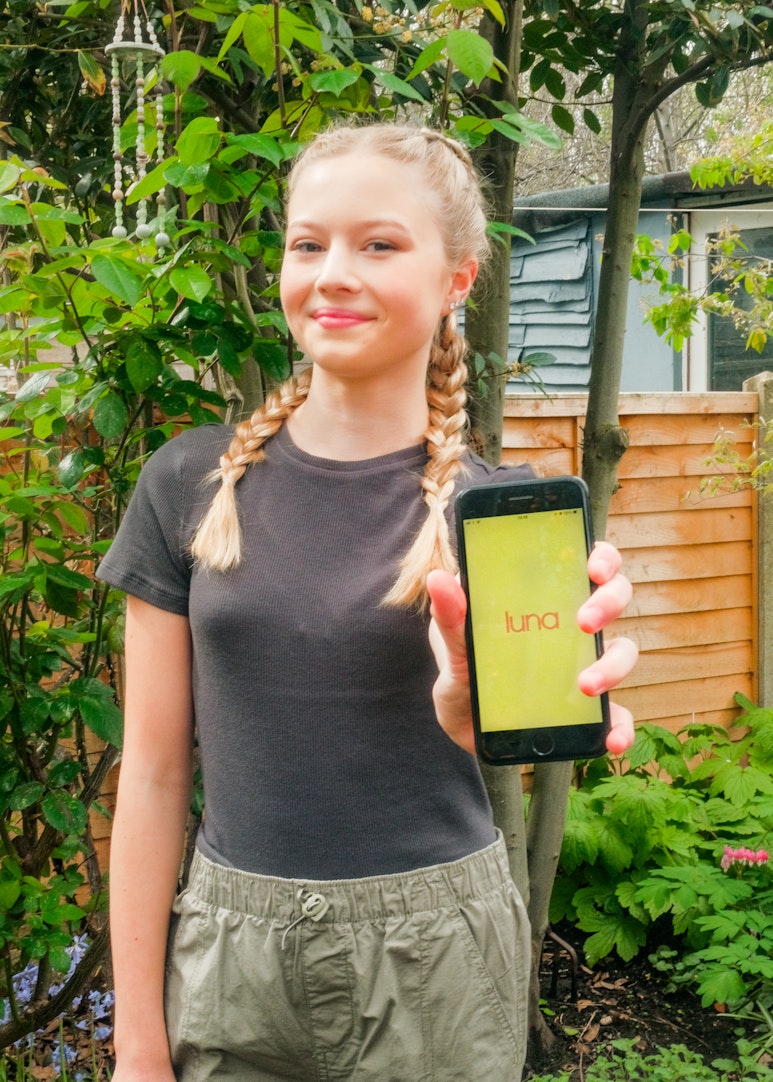
School anxiety is a common occurrence that can result from various factors, including academic pressure, interpersonal relationships including bullying, and/or personal insecurities.
As a result, according to a luna poll, most teen girls feel negatively about going to school – citing feeling anxious, nervous, stressed and scared. Low ranking choices included confident, happy and even just okay! So we think it’s important to try and turn this around! We've also got a whole piece sharing insights about what's worrying teens about going back to school, if you want to take a look.
Here are some tips on how to manage school anxiety and school refusal.
One of the most effective ways to help manage school anxiety is by maintaining open lines of communication.
Encourage them to talk about their feelings and provide a judgement-free space to hear them out. In a recent luna poll, this was also what teens chose as the best way a parent or carer could approach them about their mental health – by saying they would not judge them or their choices.
Regularly check in with them about...
- their day
- what is going well
- any worries they have
You might even share your own experiences with school life at their age.
Talk to them about anxiety
If they are old enough to understand, discuss what anxiety is to them and what it means to them.
Talk about...
- the physical responses it can cause
- potential triggers they may experience
This can help them to better contextualise what they are going through in order to engage with strategies to minimise its future impact.
Establish a routine
Consistency can provide a sense of comfort and security in the familiar.
Help your teen establish a daily routine including time for important activities such as...
- homework
- relaxation
- extracurriculars
- sleep
A well-structured day can make overwhelming tasks seem more manageable and reduce anxiety.
If you need more advice on this, luna's got a piece with top tips to help your teen get back to school, including a deep dive on establishing a routine.
Promote a healthy lifestyle
Physical health has a strong correlation with mental wellbeing.
Encourage your teen to...
- eat a balanced diet
- stay hydrated
- limit screen time before bed
- get regular exercise
Activities like yoga, running, or even walking the family dog can help reduce anxious feelings.
💡 Top tip: doing it as a family can also provide a chance to strengthen bonds at the same time.
Teach stress management techniques
Introduce your teen to various stress management techniques such as...
- mindfulness
- meditation
- deep-breathing exercises
- journalling
Encourage them to explore what works best for them and make it a part of their daily routine.
If they're specifically stressed about exams, luna's got a guide to helping your teen with their exam anxiety too. Or, if your teen is experiencing anxiety specifically around exam results, take a look at our guide for parents on supporting teens on results day.
Model healthy coping mechanisms
Teens often emulate their parents, so modelling healthy coping mechanisms by managing your own stress effectively can show them the importance of taking care of mental health.
Demonstrating self-compassion, especially in the face of difficulty, can also send a powerful message to be kind to themselves.
Encourage social connections
Strong social support is so important for managing anxiety, so try to encourage your teen to build and maintain friendships.
For ideas on fostering social connections, here are 8 ways to help your teen make friends without feeling pressured.
If your teen is socially isolated, try to gently nudge them towards activities where they can connect with peers, such as...
- clubs
- sports
- volunteer work
That being said, do your best to respect their boundaries if they're against trying this as being forced to socialise can sometimes make things worse.
Watch out for warning signs
Some young people may struggle to express their emotions verbally, so look out for changes in behaviour including (but not limited to):
- lashing out
- tearfulness
- school refusal
- irritability
- not getting enough sleep
- eating too much or too little
This could indicate they are not coping well with stressors they may be experiencing.
Communicating with teachers regarding any concerns you may have can also help to have another set of eyes looking out for any changes with your teen.
Work with the school
If necessary, e.g. it's persistent and affecting attendant, liaise with your teen's school to ensure they receive the necessary support and remove potential stressors.
Schools often have pastoral care teams who can help or a school counsellor.
You could discuss their struggles with teachers and work together to create a strategy for support, such as...
- adjusting their workload
- providing safe, quiet spaces for when they feel overwhelmed and need a break
This can help avoid your teen feeling as though they must refuse school entirely to escape negative feelings.
Seek professional help
If your teen's anxiety persists, it may be time to have professional support – which there is absolutely no shame in doing.
In the first instance, you can talk to their GP, who can refer them as needed.
In more serious cases, a referral to a mental health specialist may be appropriate. They may also let you know of local support groups and resources available specifically for teenagers. luna's also got a guide to free mental health resources if you need.
Other useful numbers are...
- Shout Crisis Text Line - text "SHOUT" to 85258 to contact them
- Mind who are a mental health charity who can be called for free on 0300 123 3393
School anxiety can be a difficult experience for any teen, but hopefully with your support or with the support of professionals they can learn to manage it effectively.
How we created this article:
luna's team of experts comprises GPs, Dermatologists, Safeguarding Leads and Junior Doctors as well as Medical Students with specialised interests in paediatric care, mental health and gynaecology. All articles are created by experts, and reviewed by a member of luna's senior review team.
Sources:
NHS "Anxiety in children" | Accessed 06.02.25
https://www.nhs.uk/mental-health/children-and-young-adults/advice-for-parents/anxiety-in-children/Family Action "Back to school anxiety – what to look for and how to help" | Accessed 06.02.25
https://www.family-action.org.uk/our-voices/2021/09/01/back-to-school-anxiety-what-to-look-for-and-how-to-help/Young Minds "School anxiety and refusal" | Accessed 06.02.25
https://www.youngminds.org.uk/parent/parents-a-z-mental-health-guide/school-anxiety-and-refusal/#MakingchangesatschoolDr. Daniel Gordon "How to help a child with anxiety about school? 10 strategies" | Accessed 06.02.25
https://www.doctordanielgordon.com/blog/how-can-i-help-my-childs-anxiety-about-schoolParent Kind "School anxiety and refusal" | Accessed 06.02.25
https://www.parentkind.org.uk/for-parents/health-and-wellbeing/school-anxiety-and-refusalYoung Minds "Anxiety" | Accessed 06.02.25
https://www.youngminds.org.uk/parent/parents-a-z-mental-health-guide/anxiety/Young Minds "Shout 85258" | Accessed 06.02.25
https://www.youngminds.org.uk/young-person/shout-85258/We'd love to keep in touch!
Sign up to our parent newsletter for emails on the latest teen trends, insights into our luna community and to keep up to date
By signing up, you are agreeing that we can use your email address to market to you. You can unsubscribe from marketing emails at any time by using the link in our emails. For more information, please review our privacy statement.