How to have the father-daughter period talk
A practical guide to help you

Updated February 4, 2026 • Medically reviewed by Dr. Emma Dickie
Medically reviewed by Dr. Emma DickieIn this article
- Quick summary
- What age should you have the period talk with your daughter?
- How to have the father-daughter period talk
- How to talk to your stepdaughter about periods
- How to have the puberty talk with your daughter
- Practical things dads can do to support their daughter
- How luna can help take the pressure off you
Quick summary
- The father-daughter period talk doesn’t need to be perfect, just calm, simple and reassuring
- You might want to start the conversation before puberty begins, or as soon as early changes appear, and keep it open and ongoing
- luna can help your daughter learn privately, track her cycle and get expert answers, which can also ease any pressure on parents
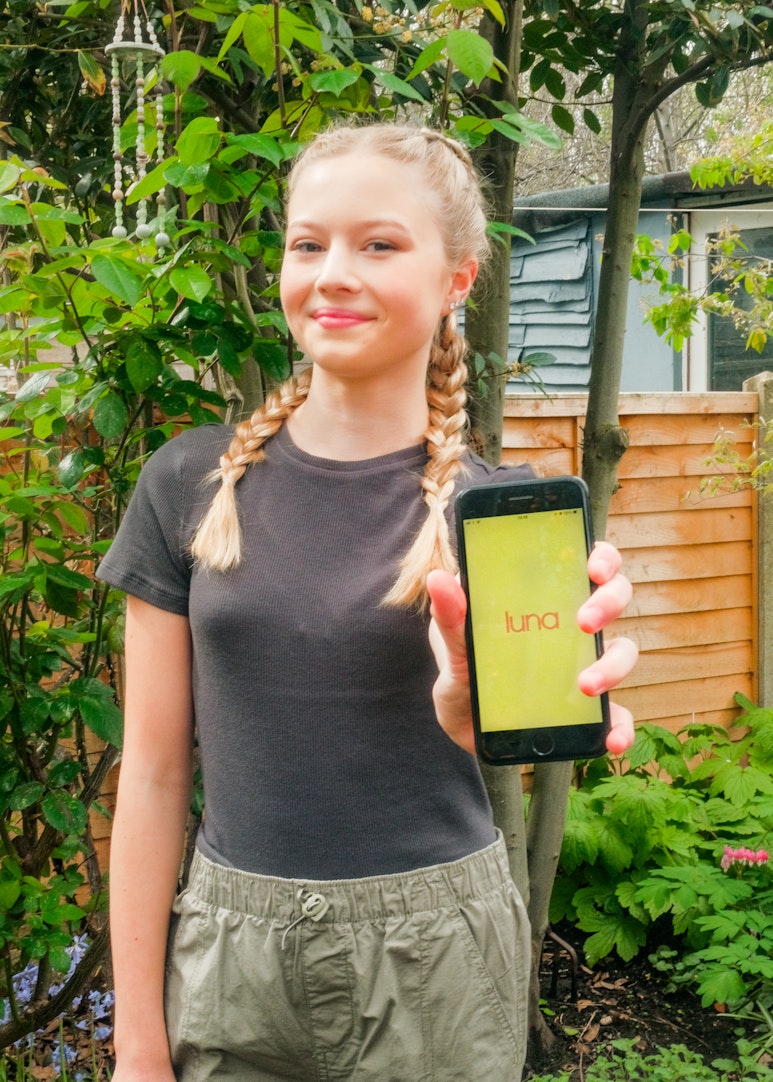
For some dads, the idea of having the “period talk” with their daughter feels awkward or unfamiliar – especially if you didn’t grow up in a home where periods were talked about openly.
But here’s the good news: your daughter doesn’t need a perfect conversation. She just needs calm, factual reassurance.
And whether you’re a dad preparing for this moment, a mum trying to help him feel confident, or a step-parent wanting to handle things sensitively, this guide will walk you through exactly what to say and when.
You may also find it helpful to read our guides below when you're finished here on:
What age should you have the period talk with your daughter?
There’s no single “right” moment, but most girls start puberty between 8 and 13, and the average age for a first period in the UK is around 12.
So ideally, you should have the conversation before puberty begins, or as soon as you notice early signs such as:
- breast growth
- mood changes
- skin changes
- growth spurts
- new body odour
- early pubic or underarm hair
If the moment has already arrived and you’re playing catch-up, don’t worry. It’s never too late.
What matters most is reassuring her she has someone safe to come to.
If you want a full breakdown of signs and timing, see our guide: Signs your daughter is about to start her period.
How to have the father-daughter period talk
The key is calm, honesty, and simplicity. You don’t need medical jargon, just clear, factual reassurance.
Here’s an easy structure:
1. Start with something neutral and low-pressure
“This might feel a bit awkward, but it’s completely normal, and I just want you to have the information you need.”
2. Explain what a period actually is
Keep it simple:
“A period is when the uterus lining sheds each month. It’s a normal part of growing up, and half of the population go through it so you aren't alone.”
3. Cover the essentials
She’ll want to know:
- when it might start
- how much blood to expect
- what pain or symptoms are normal
- how to use pads / period pants
- how often to change products
- that leaks happen to everyone
If you aren't sure, luna can help with this – you could gift her a subscription to our app so she can learn all about it!
4. Normalise it
Make sure she knows:
- it’s not embarrassing
- nothing is “wrong” with her body
- she never has to hide it from you
- periods are something half of the population goes through
5. Offer practical support
This helps enormously, especially coming from a dad.
“You don’t need to tell me every detail, but if you ever need pads, pain relief, or backup supplies, I’ll help without fuss.”
(Dads often feel more confident after reading Preparing dad for your daughter’s period.
How to talk to your stepdaughter about periods
If you’re a step-parent, the key is respecting boundaries while still being supportive.
Here’s how to approach it:
1. Check with her mum or primary caregiver first
This avoids crossed wires and ensures everyone is aligned on what she already knows.
2. Don’t initiate a full talk unless she seems comfortable
Instead try something like:
“I’m here if you ever need anything, whether that’s pads at my house or someone to grab supplies for you. No pressure at all.”
3. Prepare your home just as a biological parent would
Have:
- period products in the cupboard
- a bin with a lid for her room and the bathroom (lined with a bin bag)
- pain relief in the cupboard (if she's safe to take them)
- hot water bottles
This small act can make a huge difference in how safe and welcome she feels.
4. Use text if she finds face-to-face conversations awkward
A simple message like:
“Hey, popping out for a shop, let me know if you need any essentials.”
How to have the puberty talk with your daughter
Often, the period talk naturally sits within the wider puberty talk.
If you want something detail, our full guide is here: How to talk to your daughter about puberty
But in short, puberty conversations should include:
- body hair
- breast development
- discharge
- skin changes
- mood changes
- periods
- new hygiene needs
Keep it light, factual, and ongoing, not a one-off “big talk.”
Practical things dads can do to support their daughter
Even if talking about periods feels tricky, dads can still play a huge role.
At home
- Create a “period drawer” or basket with the period products she uses
- Make sure her bedroom has a bin with a lid and a liner (as well as the bathroom)
- Keep ibuprofen or paracetamol (if appropriate) available
- Make sure you have hot water bottles (these can be helpful for cramps)
- Not essential, but grabbing her some healthy foods to eat on her period is a good idea!
At the shops
- Offer to pick up period products when doing the weekly shop
- Get comfortable saying period product names and asking staff for help if you aren't sure
- Treat period products as a normal household item
For first periods
If she hasn’t started yet, assembling a small period kit together can help.
How luna can help take the pressure off you
Many girls prefer learning certain things privately, and that’s okay.
Inside luna, girls and non-binary teens can:
- learn everything about puberty and periods in age-appropriate language
- track their cycle and moods
- ask anonymous questions and get medically-reviewed answers (there's no peer to peer chat!)
- watch short videos explaining symptoms, products, and changes
- get advice on cramps, leaks, mood changes and more
It’s an easy, safe way to support her without making her feel embarrassed, and a helpful companion to all the conversations you’re having at home.
How we created this article:
luna's team of experts comprises GPs, Dermatologists, Safeguarding Leads and Junior Doctors as well as Medical Students with specialised interests in paediatric care, mental health and gynaecology. All articles are created by experts, and reviewed by a member of luna's senior review team.
Sources:
NHS "Periods” | Accessed 03.12.25
https://www.nhs.uk/conditions/periods/NHS "Choosing period products” | Accessed 03.12.25
https://www.nhsinform.scot/healthy-living/womens-health/girls-and-young-women-puberty-to-around-25/periods-and-menstrual-health/choosing-period-products/NHS “Starting periods” | Accessed 03.12.25
https://www.nhs.uk/conditions/periods/starting-periods/We'd love to keep in touch!
Sign up to our parent newsletter for emails on the latest teen trends, insights into our luna community and to keep up to date
By signing up, you are agreeing that we can use your email address to market to you. You can unsubscribe from marketing emails at any time by using the link in our emails. For more information, please review our privacy statement.