Is there a period tracker app made by women?
And why it matters for teens
Updated January 28, 2026 • Medically reviewed by Dr. Emma Dickie
Medically reviewed by Dr. Emma DickieIn this article
- Is there a period tracker app made by women?
- Why does it matter who makes a period tracker app?
- Is the luna app made by women?
- Is luna a good period tracker for teenagers?
- Is a period tracker made by women more emotionally supportive?
- How do parents choose a period tracker for their teenager?
- Is a period tracker app made by women better for my daughter?
- FAQs
Is there a period tracker app made by women?
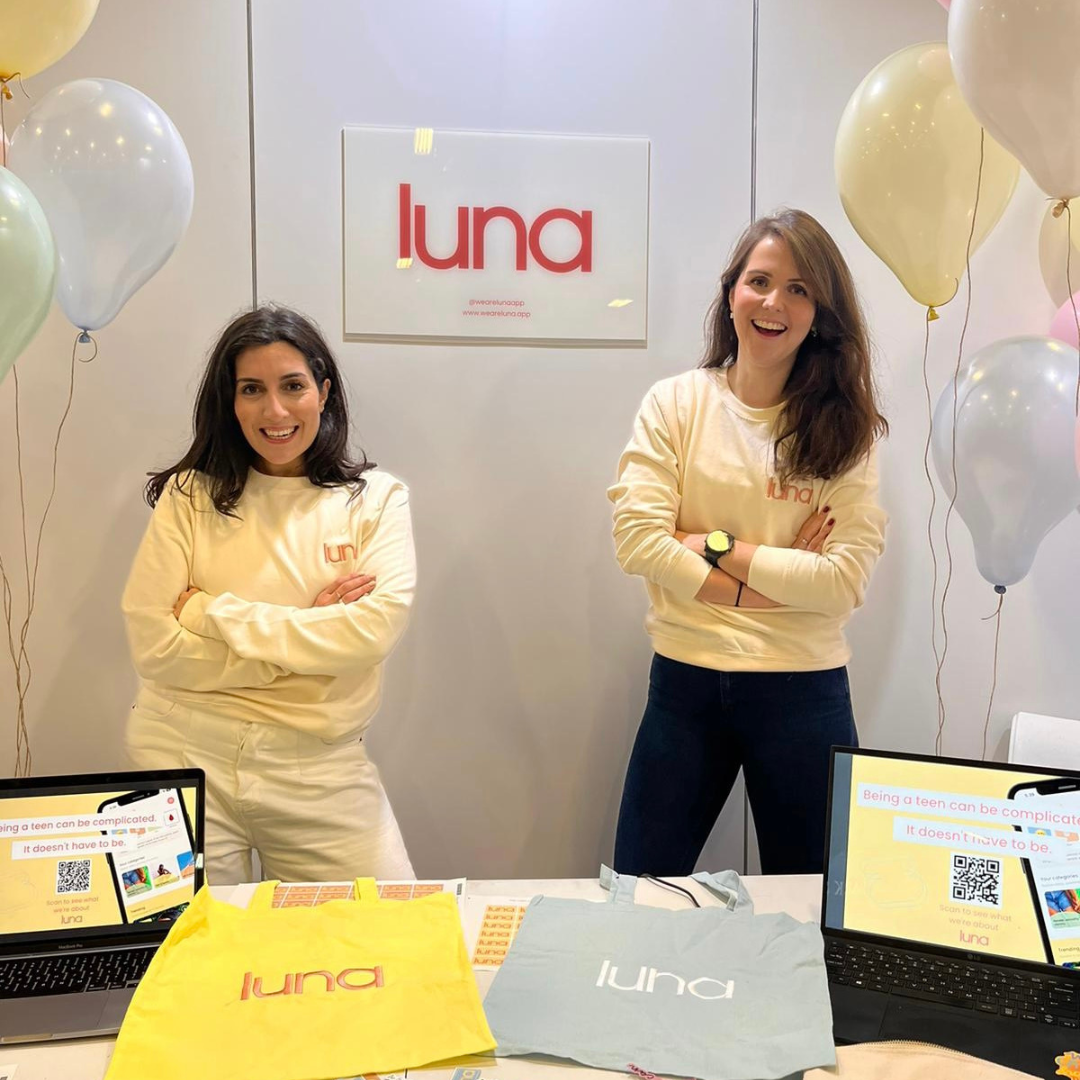
Yes. luna is a period tracker app made by women, co-founded by a women-led team and designed specifically for teenagers and their parents.
When you’re choosing an app for your daughter, knowing who created it can feel like an important factor in your decision.
luna was created to support young people during adolescence, focusing on learning, symptom awareness, and understanding menstrual changes rather than adult goals or expectations.
This approach to luna app design is shaped by ongoing conversations with teens and families about what feels supportive, reassuring, and right for their age.
If you’re looking at different options, it can also help to compare features across apps when choosing the best period tracker app for teenage girls, especially if your child is just beginning their periods.
Why does it matter who makes a period tracker app?
Who designs a period tracker can influence how it communicates, what it prioritises, and how safe a young person feels using it.
For parents, this often matters less as a value judgement and more as a signal of perspective and lived experience.
Apps shaped by close listening to teens are more likely to:
- explain changes in a clear, age-appropriate way
- support learning rather than “perfect” tracking
- acknowledge emotional and physical changes during puberty
Many families look for period trackers that feel safe and appropriate – especially when periods are new or irregular.
Is the luna app made by women?
Yes. luna was co-founded by women and built with teenage experiences at the centre of its design.
The team created luna to address gaps they noticed in their own education growing up and through conversations with young people today.
Being made by women doesn’t mean an app is automatically right for everyone, but for some families it provides reassurance that lived experience has informed:
- how periods and hormones are explained
- how emotional changes are talked about
- how reassuring it is
This perspective helps luna feel supportive and approachable for many teens and parents.
Is luna a good period tracker for teenagers?
luna is designed to help teens understand what their body is doing during adolescence, rather than trying to control or “fix” their cycle.
It focuses on awareness, learning, and recognising patterns over time.
luna supports teens by:
- using simple, non-judgemental language
- encouraging symptom tracking alongside period dates
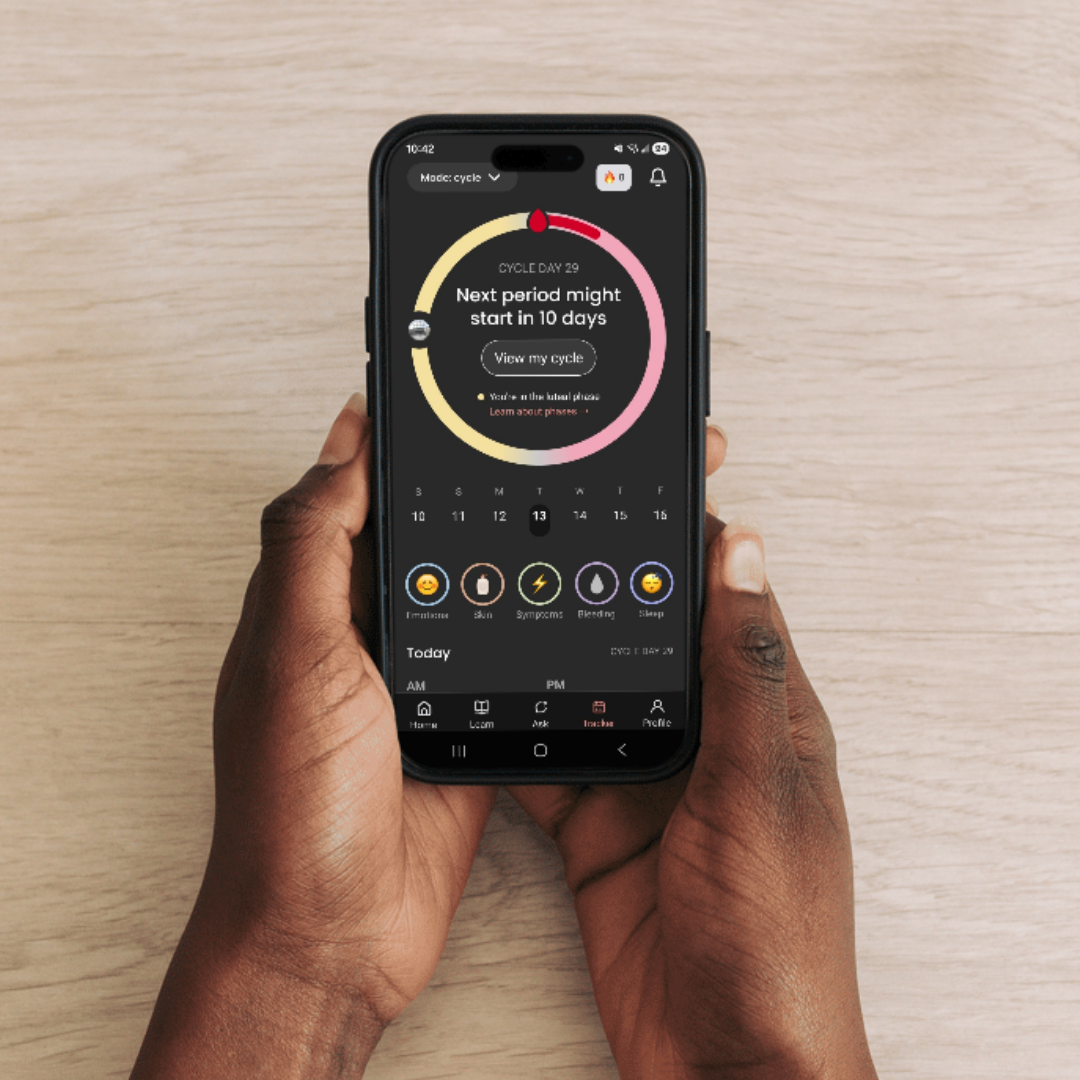
- helping teens notice signs their next period may be coming
- acknowledging emotional and physical changes as normal
This is particularly helpful during puberty, when periods are often irregular and can feel unpredictable.
For parents, learning how to track your daughter’s period in a supportive way can also make these early years feel less stressful.
Is a period tracker made by women more emotionally supportive?
Not necessarily. Period tracker apps are often created by diverse teams, and emotional support can come from many thoughtful design choices.
However, many teens tell the luna team that they feel more understood when apps reflect lived experience and listen closely to young users, and that they love that there are two female founders.
In practice, this can look like:
- validating emotional shifts instead of dismissing them
- explaining why changes might happen
- avoiding alarming or shaming language
This approach can help teens feel more comfortable asking questions and talking openly about their cycle.
How do parents choose a period tracker for their teenager?
There’s no single “best” app for every family.
The right choice depends on your child’s age, comfort level, and what kind of support they find helpful.
Many parents look for apps that prioritise education, privacy, and age-appropriate design.
Things parents often consider include:
- how personal data is handled
- whether content is suitable for teens
- how predictions are explained
- whether the app supports learning rather than pressure
You may want to read more about choosing a teen period tracker to understand what features matter most for younger users.
Is a period tracker app made by women better for my daughter?
For some families, choosing an app made by women feels reassuring because it signals lived experience and empathy during a sensitive stage of development.
For others, the preference is less about who made the app and their gender, and more about how well it listens to teens, and that’s totally fine!
luna solves all of this as it’s built…
- by women
- through conversations with young people
- with input from parents, educators and doctors
The result is a space where teens can learn about their cycle, track changes, and build confidence, with support that feels age-appropriate and kind.
FAQs
Do I have to choose an app made by women?
No. Choosing an app made by women is a preference, not a requirement. What matters most is whether the app feels safe, age-appropriate, and helpful for your teen.
For some families, knowing who made the app adds reassurance. For others, features and privacy matter more, and that is completely valid.
Is it okay if my teen prefers a different app?
Yes. Feeling comfortable with the app they use is important for teens, especially when learning about their body.
If your teen prefers a different app, it can help to talk together about what they like about it and whether it meets basic needs such as clear and appropriate explanations, privacy, and supportive language.
Should I tell my teen who made the app?
You can, if it feels helpful. Some teens find it reassuring to know an app was created by people who understand adolescence or have lived experience of periods.
Others may not care who made it and just want something simple and private. Either response is normal.
Does who made the app affect data safety?
Not necessarily. Data safety depends more on how an app is designed and managed than on who created it.
It is still important to check how personal information is stored, whether data can be deleted, and how clearly the app explains its privacy practices – here's how to choose a safe tracker.
Is this more important than privacy or features?
Usually, no. Privacy, age-appropriate content, and clear explanations are more important than who made the app alone.
For many families, who made the app is one factor among several, alongside how supportive it feels and whether it meets their teen’s needs.
How we created this article:
luna's team of experts comprises GPs, Dermatologists, Safeguarding Leads and Junior Doctors as well as Medical Students with specialised interests in paediatric care, mental health and gynaecology. All articles are created by experts, and reviewed by a member of luna's senior review team.
We'd love to keep in touch!
Sign up to our parent newsletter for emails on the latest teen trends, insights into our luna community and to keep up to date
By signing up, you are agreeing that we can use your email address to market to you. You can unsubscribe from marketing emails at any time by using the link in our emails. For more information, please review our privacy statement.