My daughter got her period and didn't tell me
How to open the conversation
Updated April 30, 2026 • Medically reviewed by Dr. Emma Dickie
Medically reviewed by Dr. Emma DickieIn this article
- In short
- Why didn't my daughter tell me she got her period?
- Is it normal for girls to hide their first period?
- How should I react now that I know?
- What should I say to her?
- What if she still doesn't want to talk about it?
- How can I support her without making it awkward?
- When should I actually worry?
- FAQs
- What should I do next?
In short
It's very common for a teen to get her first period and not tell a parent.
She's not trying to hurt you: she's likely processing a big change, wanting privacy, or feeling embarrassed.
The best response is calm, practical, and low-key.
Open the door gently, let her know you're there, and keep the first conversation short.
Why didn't my daughter tell me she got her period?
Most teens don't tell a parent straight away, and the reasons are almost always about her, not you.
The most common ones are embarrassment, wanting privacy, needing time to process, or not wanting a fuss.
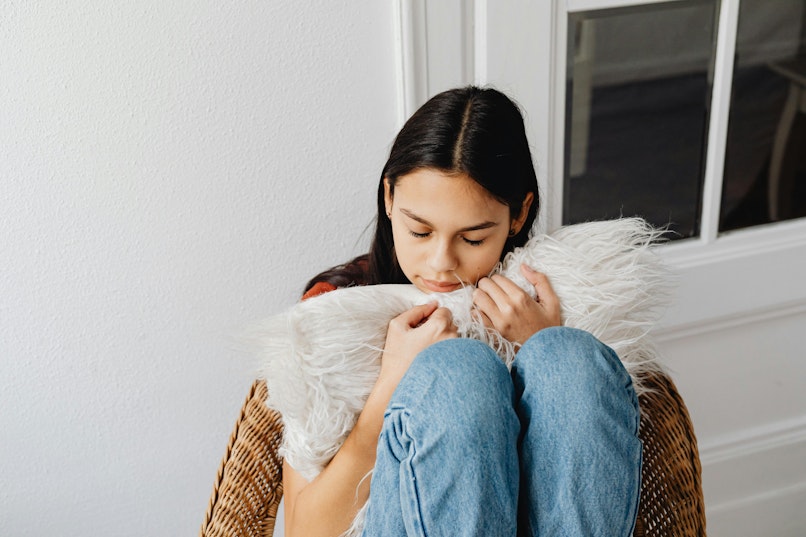
Starting her period is a big body change.
Even if she's been expecting it, actually seeing it on her pants can feel overwhelming.
Many girls sit with it for days or weeks before telling anyone, or they tell a friend first.
It's also worth remembering that periods feel intensely private to teens.
If she managed it alone with products she found, she might actually feel a bit proud: she handled it.
Telling a parent can feel like inviting attention she doesn't want.
She may also have worried you'd make a "thing" of it, tell extended family, or turn it into an emotional moment.
For a teen already navigating a lot of self-consciousness, that's a lot to sign up for.
Is it normal for girls to hide their first period?
Yes. Questions in the luna app consistently tell us that a significant number of girls don't tell a parent right away, and many confide in a friend or older sibling first.
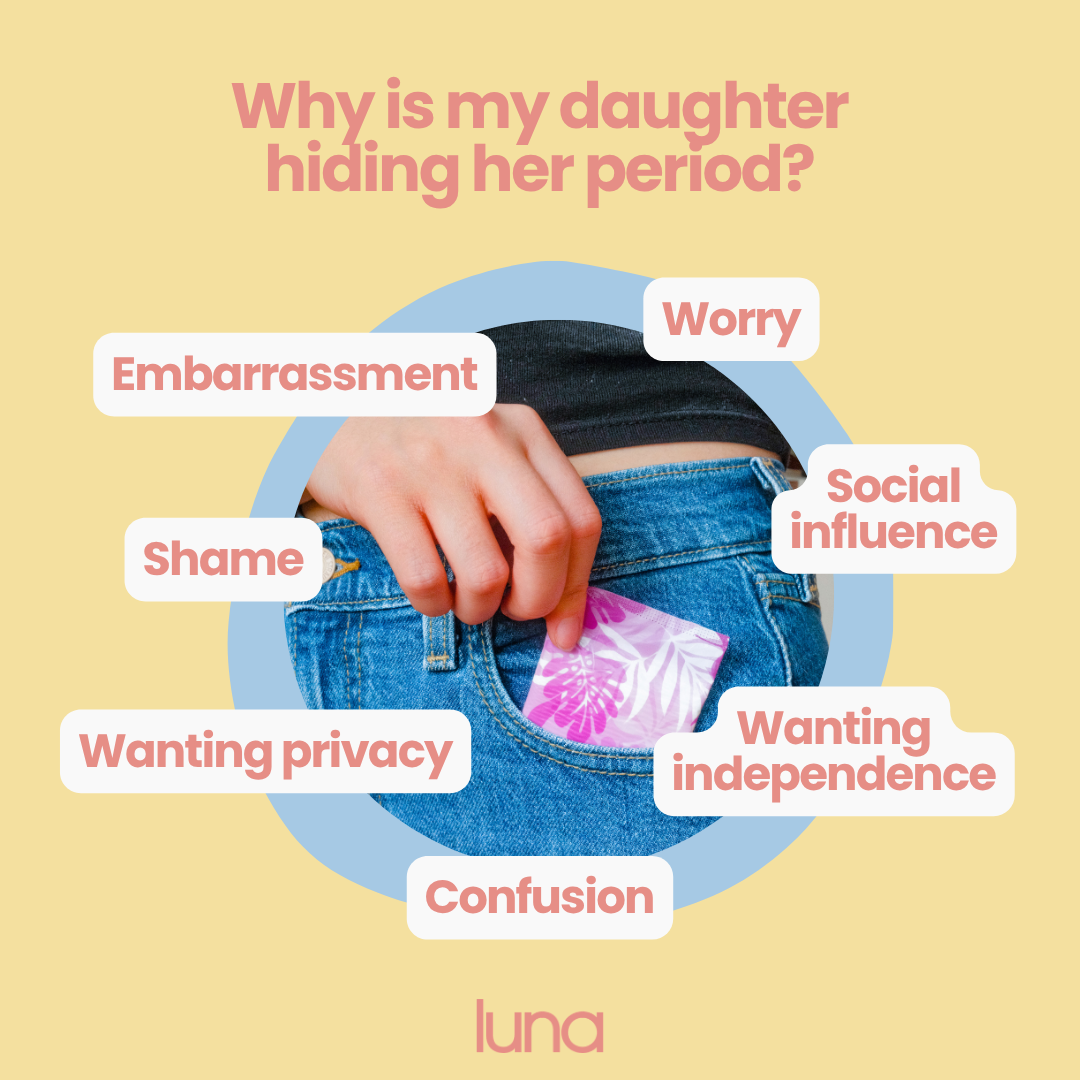
Here are the most common reasons girls keep their first period to themselves:
- Embarrassment: "I don't want to talk about it"
- Privacy: "It's my body, I want to handle it"
- Processing: "I need time to get used to it"
- Fear of a fuss: "Please don't make it a big thing"
- Told someone else first: "My mate already knows"
None of these mean you've done anything wrong. They just mean she's a teen.
How should I react now that I know?
Stay calm, keep it low-key, and follow her lead. How you respond in the first 48 hours really sets the tone for everything that comes after.
Try to avoid:
- making it a ceremony or celebration she didn't ask for
- guilting her for not telling you sooner
- pushing for details about when it happened or how she felt
- telling her dad, siblings, or extended family without asking her first
Instead, try:
- acknowledging it briefly and warmly
- making sure she has the products she needs
- letting her know you're around whenever she has questions
- giving her time
It's also okay to feel a bit stung. Most parents do. Just try not to let her see that she hurt you.
What should I say to her?
Keep it short, practical, and pressure-free.
Something like: "Hey, I noticed a few things in the bathroom, do you have everything you need?" is plenty.
Here are some script starters that tend to land well:
- "I'm here if you ever want to chat about anything period-related, no pressure"
- "I've popped some extra pads and a hot-water bottle under the sink, just in case"
- "If you ever want me to grab a specific product, just text me from upstairs"
- "I got my first period when I was [age], and honestly, I didn't tell my mum for weeks either"
What not to say: "Why didn't you tell me?" It puts her on the back foot before the conversation has even started.
What if she still doesn't want to talk about it?
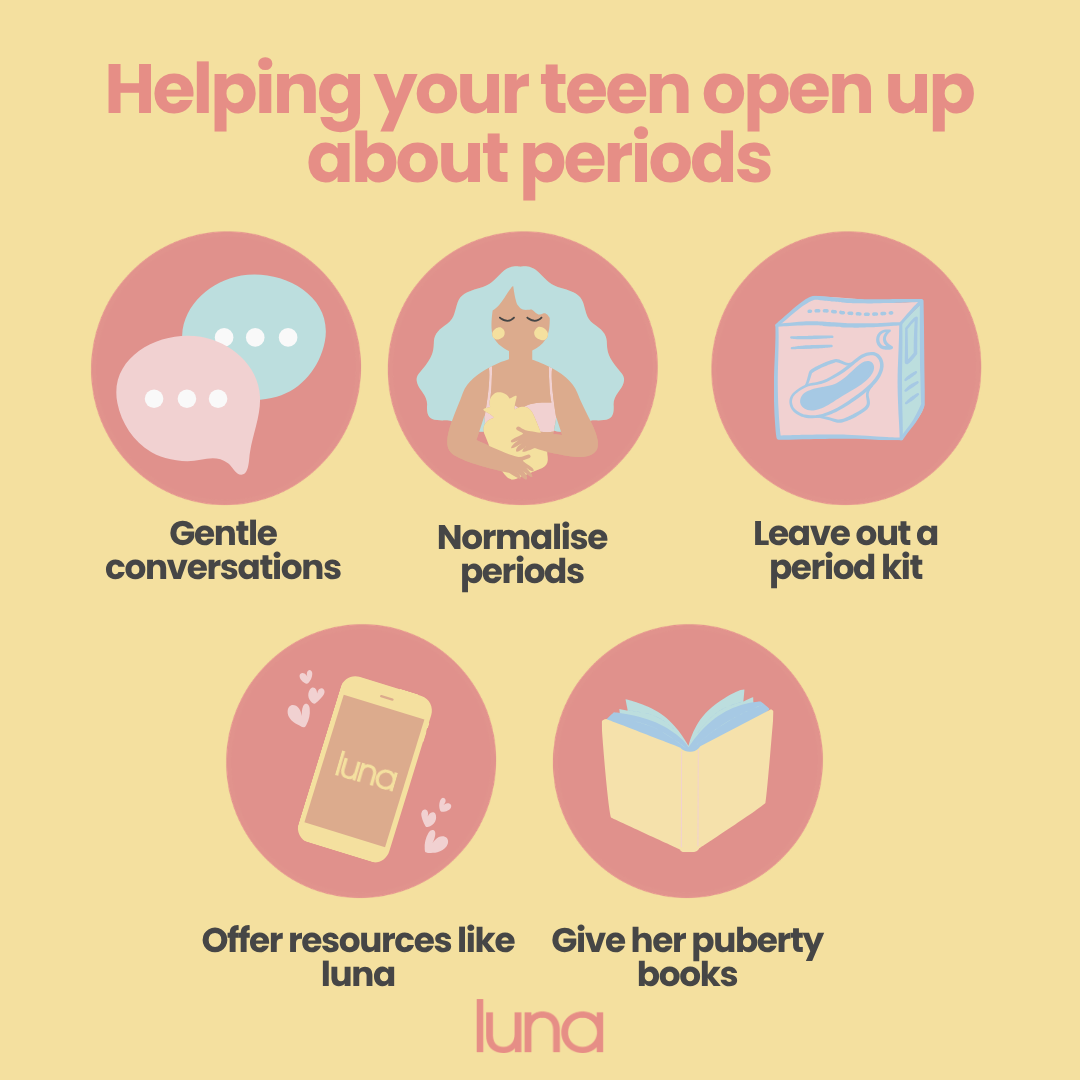
That's okay. She doesn't have to. Just make sure she knows the door is open.
Keep supplies stocked. Leave a decent explainer or book nearby if that feels right, or gift her access to luna which is full of useful information.
She'll come to you eventually, usually when she has a specific question, like pain, clots, or a symptom that's worrying her.
How can I support her without making it awkward?
The trick is being useful without being loud. Practical support is almost always welcome, even when conversation isn't.
Ways to help without the spotlight:
- stock the bathroom with a mix of pads, liners, and period pants so she can try what works
- pick up pain relief (paracetamol or ibuprofen) and a hot-water bottle
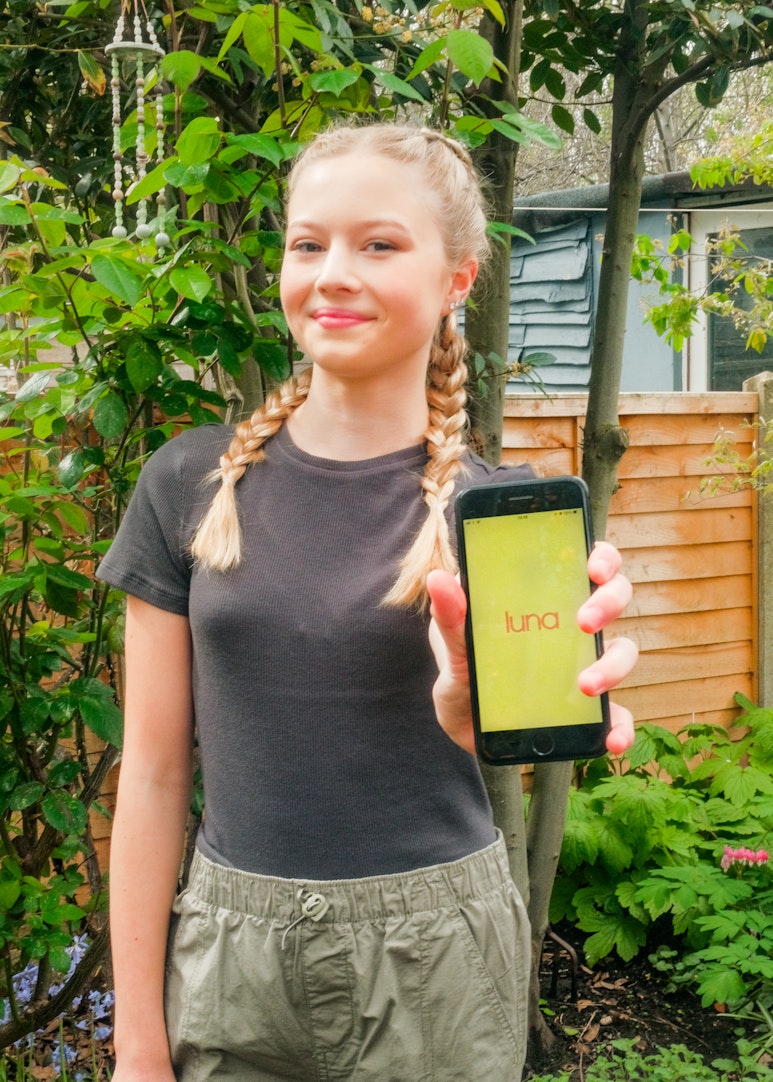
- mention tracking her cycle: apps like luna are built for teens and make the whole thing feel less like a mystery
- normalise periods in everyday chat, without making her the subject of it
Tracking in particular can be a quiet gift. Knowing when her next period is due helps her feel more in control of her own body.
When should I actually worry?
It’s common for periods to be irregular for the first couple of years after starting, and a lot of variation is normal at this stage as hormones settle into a regular rhythm.
That said, it's worth talking to your doctor if you notice any of the following:
- very heavy bleeding (soaking through a pad or tampon every hour for several hours in a row)
- severe pain that stops her going to school or doing normal activities
- missing a period for more than three months in a row
- if your teen starts her periods before the age of 8, or if she’s 15 or older and hasn’t started yet
- mood changes severe or persistent enough to affect daily life
These can almost always be checked and managed. None of them on their own mean something is seriously wrong, but they're worth a doctor's visit.
FAQs
Should I tell her dad or my partner that she's started her period?
Ask her first. Many girls feel strongly about this, and it's her news to share, not yours.
Is it too late to have the "period chat" if she's already had her period for weeks?
No. A gentle, low-pressure conversation works at any point. You don't need a big moment: a passing comment often lands better than a sit-down.
My daughter seems sad or withdrawn since starting her period, is that normal?
Hormonal changes can affect mood, especially in the first year. If it's persistent, or it's affecting school, friendships, or sleep, it's worth checking in with a doctor.
Can I buy her period products without making it weird?
Yes. Stock a few types in the bathroom and let her know they're there. Most teens prefer to choose quietly rather than be handed something.
How long until her periods become regular?
It can take up to two years for cycles to settle into a regular pattern. Tracking helps make sense of the variation along the way.
What should I do next?
You don't need to get the first conversation perfect. You just need to keep the door open, keep supplies stocked, and let her come to you in her own time.
If you want a quiet way to help her get to know her cycle, luna's tracker is built for teens, with parent-friendly explainers she can share when she's ready.
How we created this article:
luna's team of experts comprises GPs, Dermatologists, Safeguarding Leads and Junior Doctors as well as Medical Students with specialised interests in paediatric care, mental health and gynaecology. All articles are created by experts, and reviewed by a member of luna's senior review team.
Sources:
UNICEF “How to support your daughter with her first period” | Accessed 20.4.26
https://www.unicef.org/rosa/stories/how-support-your-daughter-her-first-periodWe'd love to keep in touch!
Sign up to our parent newsletter for emails on the latest teen trends, insights into our luna community and to keep up to date
By signing up, you are agreeing that we can use your email address to market to you. You can unsubscribe from marketing emails at any time by using the link in our emails. For more information, please review our privacy statement.