When to talk to your daughter about periods
Top tips from teen experts!
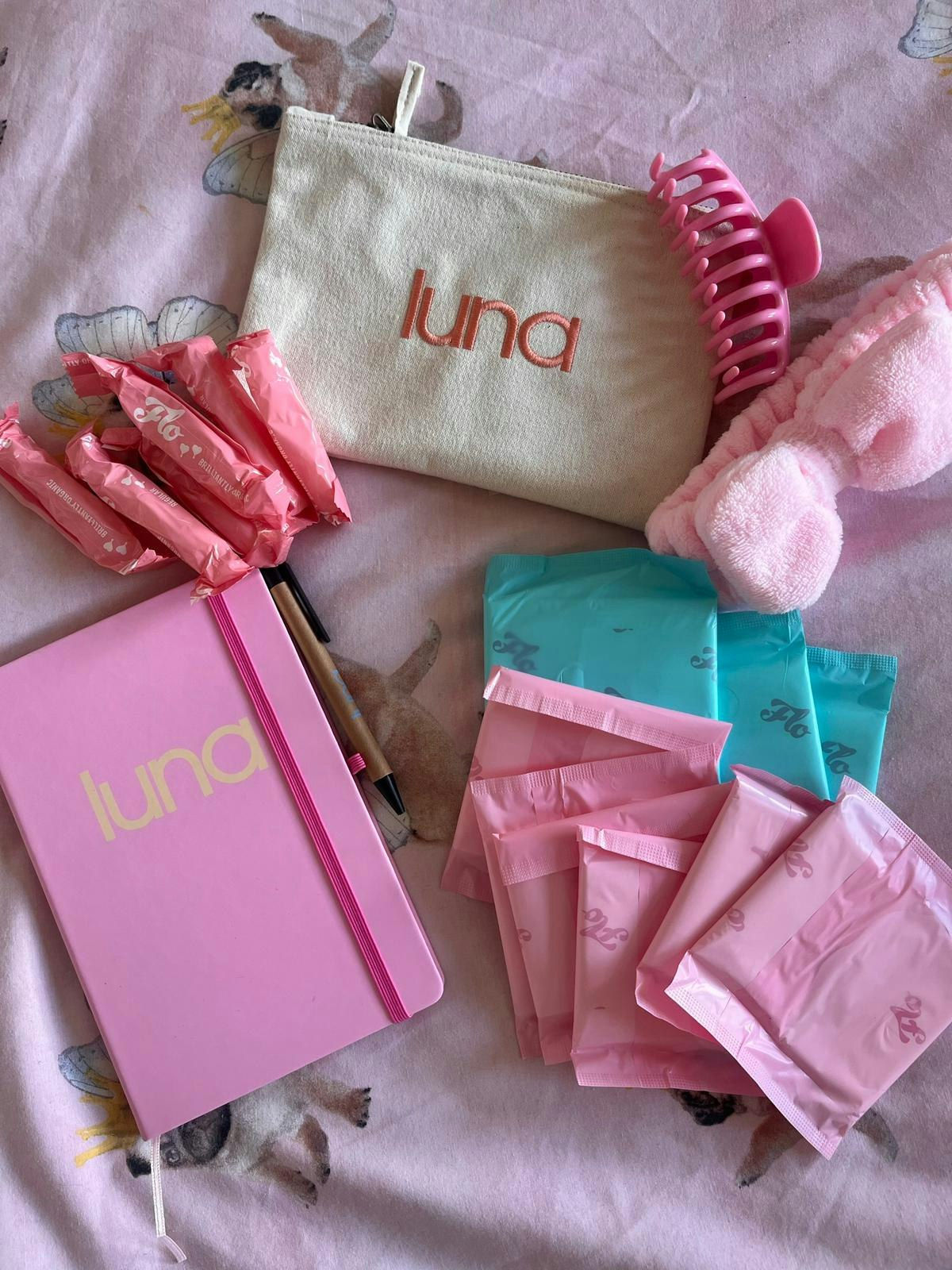
Updated February 4, 2026 • Medically reviewed by Dr. Emma Dickie
Medically reviewed by Dr. Emma DickieIn this article
- Quick summary
- Start simple conversations from around age 6–7
- Build on the conversation gradually between 8-10
- By age 10-11, she should know everything she needs to feel prepared
- Don’t rely solely on school lessons
- Natural moments to bring it up (so it never feels like a “talk”)
- What to cover, at the right time
- Supporting girls who are embarrassed about periods
Quick summary
- Most girls get their first period at around age 12, but it can start anytime between 8 and 17, so gentle, age-appropriate conversations from 6-7 help them feel prepared rather than surprised
- Use natural everyday cues – like spotting period products while shopping or adverts on TV – to make the topic feel normal, relaxed and easy to talk about
- If your daughter prefers privacy, the luna app gives her expert-reviewed period education, anonymous Q&As and a safe, teen-designed cycle tracker, so she can learn confidently in her own time
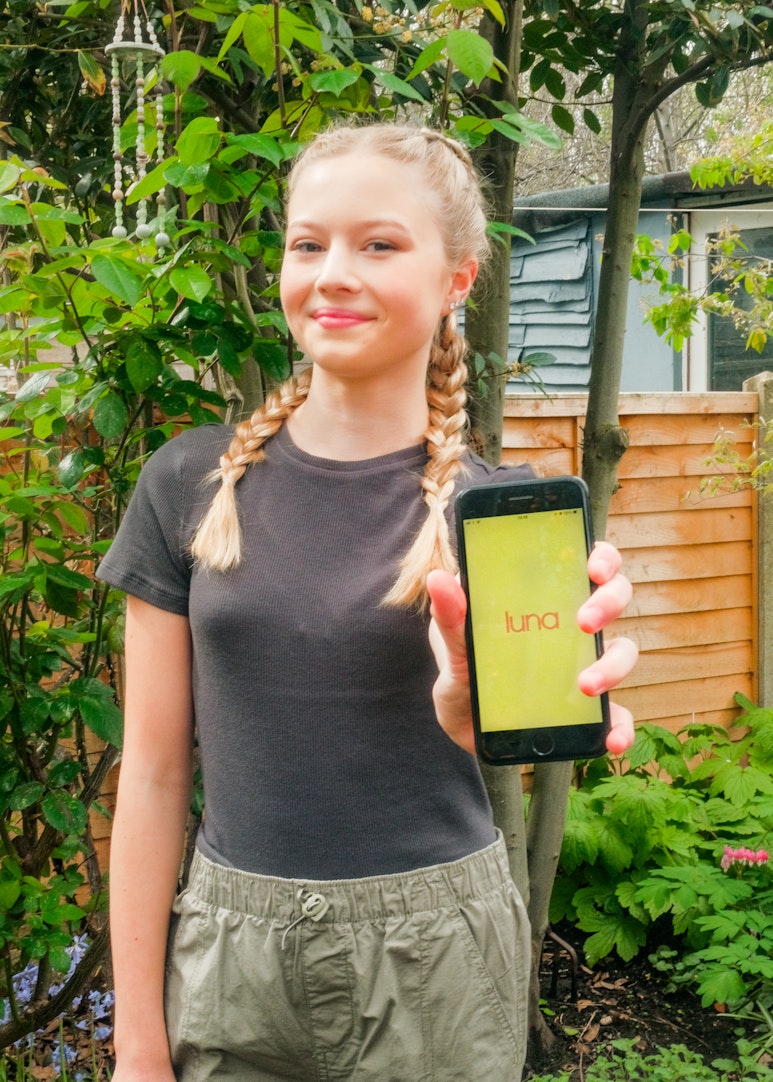
If you’re wondering when the right time is to talk to your daughter about periods, you’re not alone – it’s one of the most common questions parents ask.
Based on NHS guidance and what thousands of girls tell us on the luna app, the answer is clear: much earlier than most of us expect!
Many girls begin puberty young – in luna polls, more than half (57%) said their first period arrived at 11 or 12, and 1 in 8 (13%) started at 10 or younger.
That’s why talking early, and little by little, makes such a difference.
So, when should you actually start talking about periods?
Start simple conversations from around age 6–7
This doesn’t mean a detailed explanation. At this age, children can understand the basics – that bodies change as they grow.
Girls can get their first period as early as 8, so laying foundations at 6 or 7 ensures they won’t be surprised or scared later.
Periods can be genetic, so if you're a mum reading this and know when you started your period that can be a clue! But it doesn't always follow that pattern, so it's best to prepare them early regardless of when you started.
A simple, gentle explanation is enough.
Something like:
“You’ll see body changes as you get older, and one day you’ll have something called a period – it’s just a normal part of growing up.”
Build on the conversation gradually between 8-10
This is when puberty signs often start:
- Breast development
- Underarm or pubic hair
- Small amounts of vaginal discharge
Most girls start their period about two years after breast development begins, so this is a natural time to add a bit more detail.
We've also got a deep dive on signs a period is about to start if needed!
By age 10-11, she should know everything she needs to feel prepared
Because a large portion of girls start at 10, 11 or 12, this is the window where practical guidance becomes especially important:
- What a period looks like
- What cramps feel like
- How to use period products
- What to do if it starts at school or when away from home
- That first cycles may be irregular
Many teens tell us they want to feel prepared but feel awkward asking at home – 1 in 3 (30%) say period conversations make them feel embarrassed or private, so gently offering information before she needs it can be truly supportive.
And if she's really struggling to hear you, you can set her up on the luna app which is full of information for this stage in life.
Don’t rely solely on school lessons
Schools usually teach periods, but not always in depth.
We know this because in luna’s community polls, nearly 3 in 4 girls (72%) said their school education felt limited.
That’s why home conversations matter, or preparing them with other resources, so you can give context, reassurance and space to ask questions.
You can also set them up on luna, where teens get:
- Medically reviewed period education
- Cycle tracking designed for teens
- Anonymous expert Q&As
- Videos, articles and puberty guidance they can learn privately
It helps them feel informed without feeling self-conscious.
Natural moments to bring it up (so it never feels like a “talk”)
This is especially useful if your daughter prefers subtle, low-pressure conversations.
Parents often find these cues work well:
- Walking past pads or period pants in the supermarket
- TV or YouTube ads for period products
- When she mentions an older friend or sibling starting theirs
- A car ride after shopping, when things feel relaxed
- Before a school trip, holiday or swimming lesson
- While chatting about other puberty changes (spots, bras, deodorant)
A gentle opener is enough:
“You might start noticing your body changing soon, and I want you to feel ready.”
luna polls show 1 in 3 teen girls (34%) said getting their first period made them feel the most “grown-up” of all their milestones, meaning these years can feel exciting, confusing, and significant.
Early, calm information helps reduce anxiety and make the transition feel normal.
What to cover, at the right time
Start with simple facts (ages 6-7):
- What a period is
- That it’s part of growing up
- That it happens to every girl eventually
Add a bit more detail (ages 8-10):
- Why it happens
- What discharge is
- What signs come before a period
- That periods can start as early as 8
Share practical guidance (ages 10-12):
- How to use period products
- What to do if it starts at school
- What’s normal in the first year
- What to pack in a first period kit
Let her set the pace – some ask questions quickly, others prefer small pieces of information over time.
Supporting girls who are embarrassed about periods
Many girls simply prefer learning about puberty independently and privately, which is completely normal.
That’s why luna can be such a helpful complement.
You might say:
“If you ever want to learn more about this stuff, luna has loads of information and you can get expert answers to questions you ask anonymously.”
Talking early, often, and casually means her first period will hopefully feel less scary or surprising, and just like another part of growing up that she’s ready for.
How we created this article:
luna's team of experts comprises GPs, Dermatologists, Safeguarding Leads and Junior Doctors as well as Medical Students with specialised interests in paediatric care, mental health and gynaecology. All articles are created by experts, and reviewed by a member of luna's senior review team.
Sources:
NHS "Starting periods" | Accessed 03.12.25
https://www.nhs.uk/conditions/periods/starting-periods/NHS "Early or delayed puberty" | Accessed 03.12.25
https://www.nhs.uk/conditions/early-or-delayed-puberty/NHS “Puberty" | Accessed 03.12.25
https://www.nhs.uk/livewell/puberty/documents/4youmarch2010nonprinting.pdfNHS "Choosing period products" | Accessed 03.12.25
https://www.nhsinform.scot/healthy-living/womens-health/girls-and-young-women-puberty-to-around-25/periods-and-menstrual-health/choosing-period-products/We'd love to keep in touch!
Sign up to our parent newsletter for emails on the latest teen trends, insights into our luna community and to keep up to date
By signing up, you are agreeing that we can use your email address to market to you. You can unsubscribe from marketing emails at any time by using the link in our emails. For more information, please review our privacy statement.