
Supporting someone through menopause
How you can do your bit to help ❤️
Quick summary 🫶
1️⃣ Menopause is a big life change, lasting a few years, typically hitting between 45-55, and affecting 1 in 3 AFAB individuals in the UK
2️⃣ Support involves patience, listening, and helping with symptoms like hot flashes and mood swings
3️⃣ Empathy is key; recognise individual needs during this challenging time
4️⃣ Encourage open conversations about menopause to make a positive impact on the lives of those experiencing it
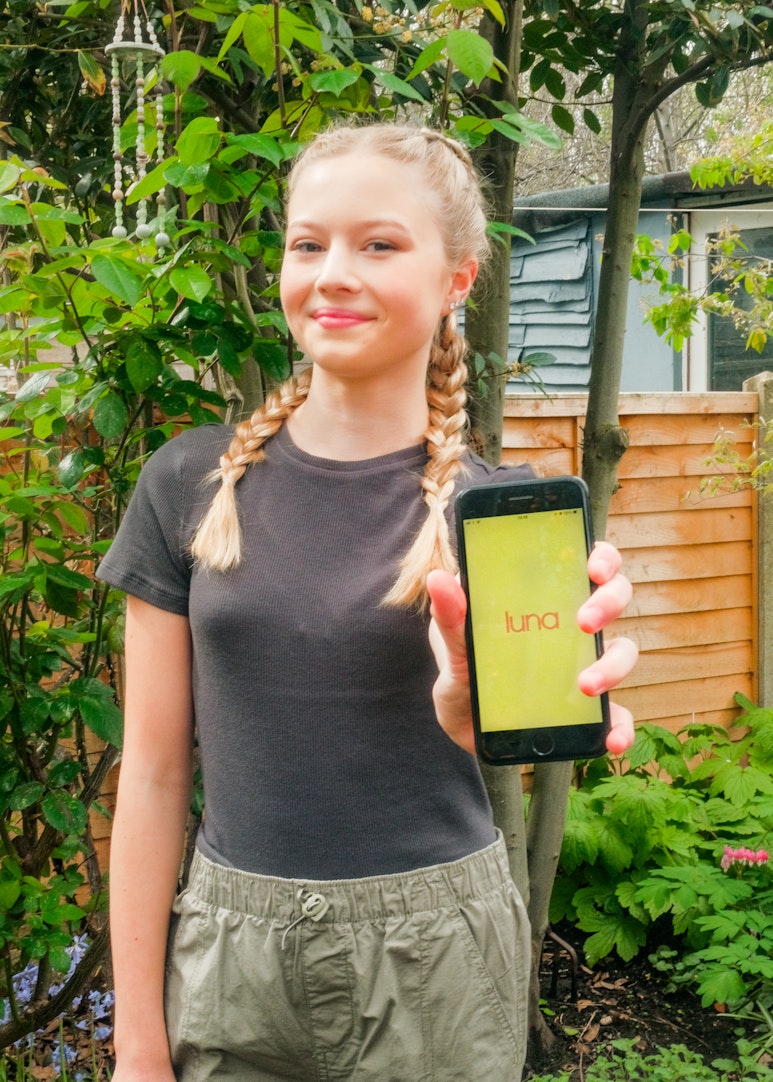
Menopause is when periods stop happening, and can be a stressful time of life as it’s a big change 😕The process of menopause can last for a few years ⏳so knowing how to support someone going through it can be very important in helping them feel less alone 💯
What are some key facts about menopause?
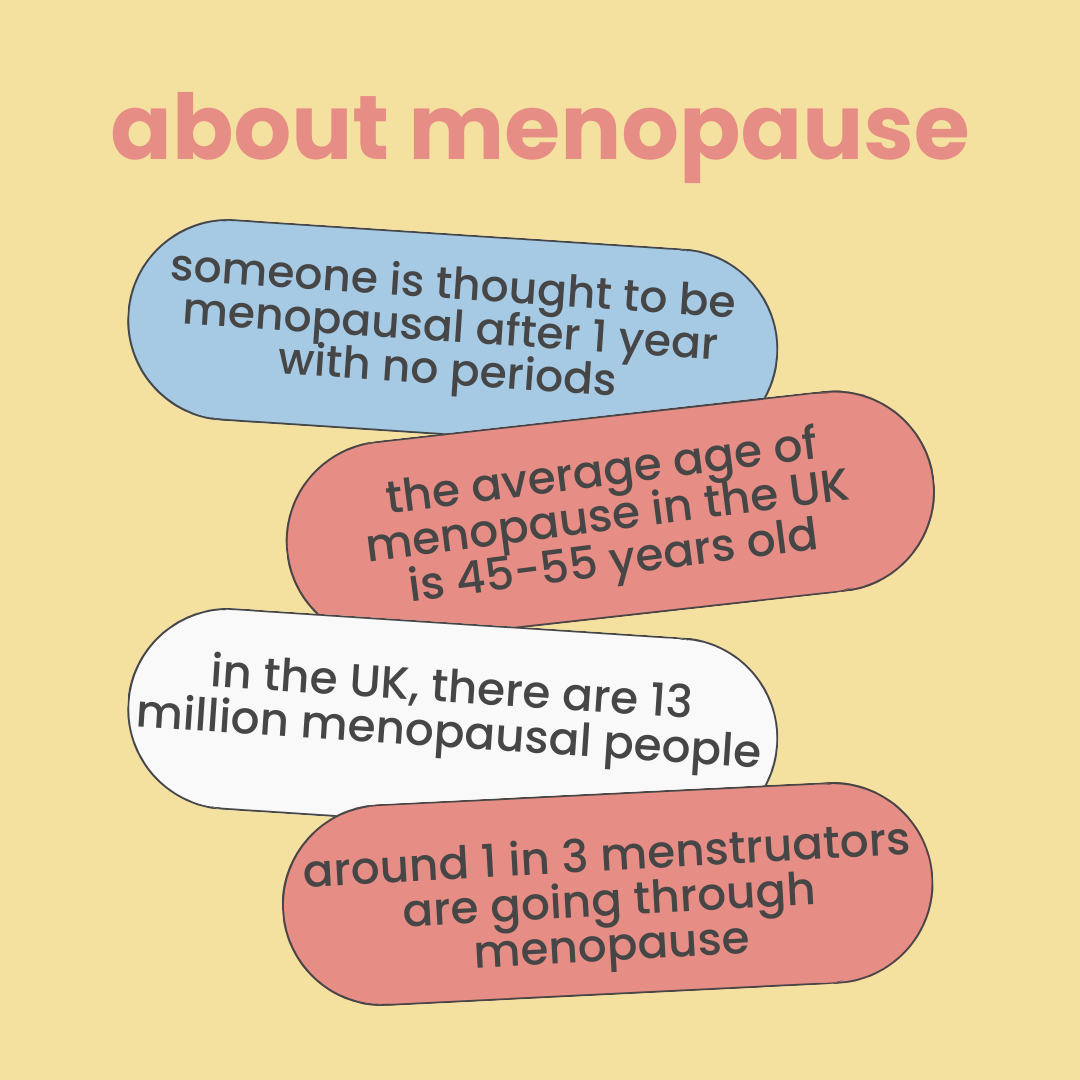
💡Someone is generally thought to be menopausal once it has been 1 whole year without periods (this is NOT the same as someone who doesn’t have periods due to hormonal contraception, or temporarily for other reasons such as medical conditions, stress or exercise) 🩸
💡The average age of menopause in the UK is 51 years old, and it usually occurs between the ages of 45-55 but this can vary between individuals 🌈
💡In the UK, there are around 13 million people going through menopause at the moment – that’s around 1 in 3 people AFAB (assigned female at birth)!
With that in mind, you can see how it’s likely you’ll know at least 1 person going through it, at some point in your life!
So, let’s get into how you can help someone going through menopause:
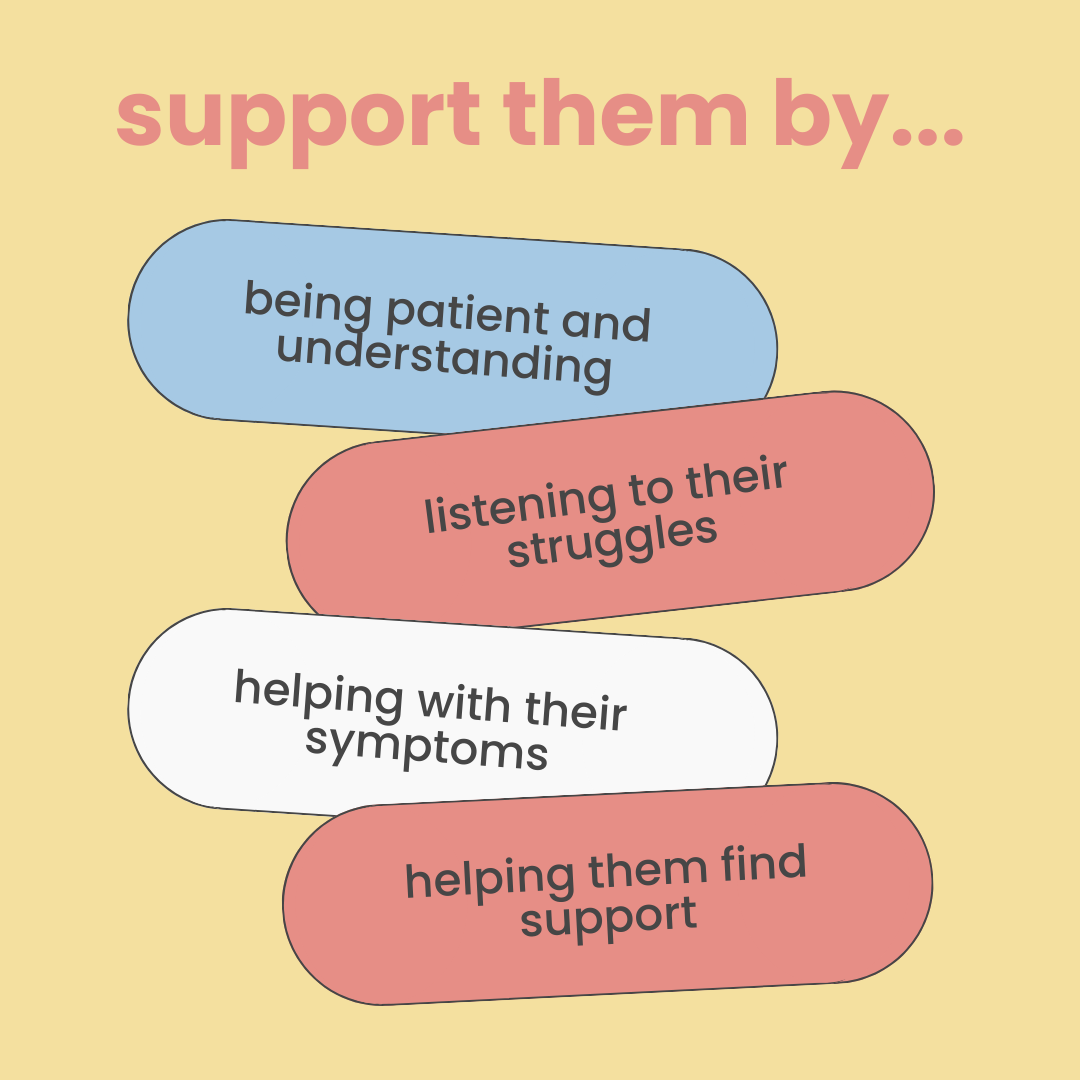
- Be patient and understanding: menopause can make people act differently because their hormones are changing 🤔Try not to take it personally if they seem forgetful or moody 👀 Their bodies are going through a lot 😓
- Listen to their struggles: people don't talk about menopause enough, and this is partly because there are so many taboos around female health! Being there to simply listen can be a huge support 🦻
- Support them with symptoms: menopause can bring problems like hot flashes/flushes, mood swings, weight gain, and sleep troubles 💤 Help them with little things like making them chamomile tea before bed 🍵 fanning them or making them a cute fan for hot flashes 🪭 reminding them to take vitamin D which is great for bone health 💊 or even doing pelvic floor exercises with them (which is helpful if they have trouble with bladder control) 🧘
- Help them find support: point them to places that can help – two good places for support are Women's Health Concern and Menopause Matters (linked in the references). They could also talk to a doctor about treatment options like Hormone Replacement Therapy (HRT) if they're struggling with symptoms 🩺
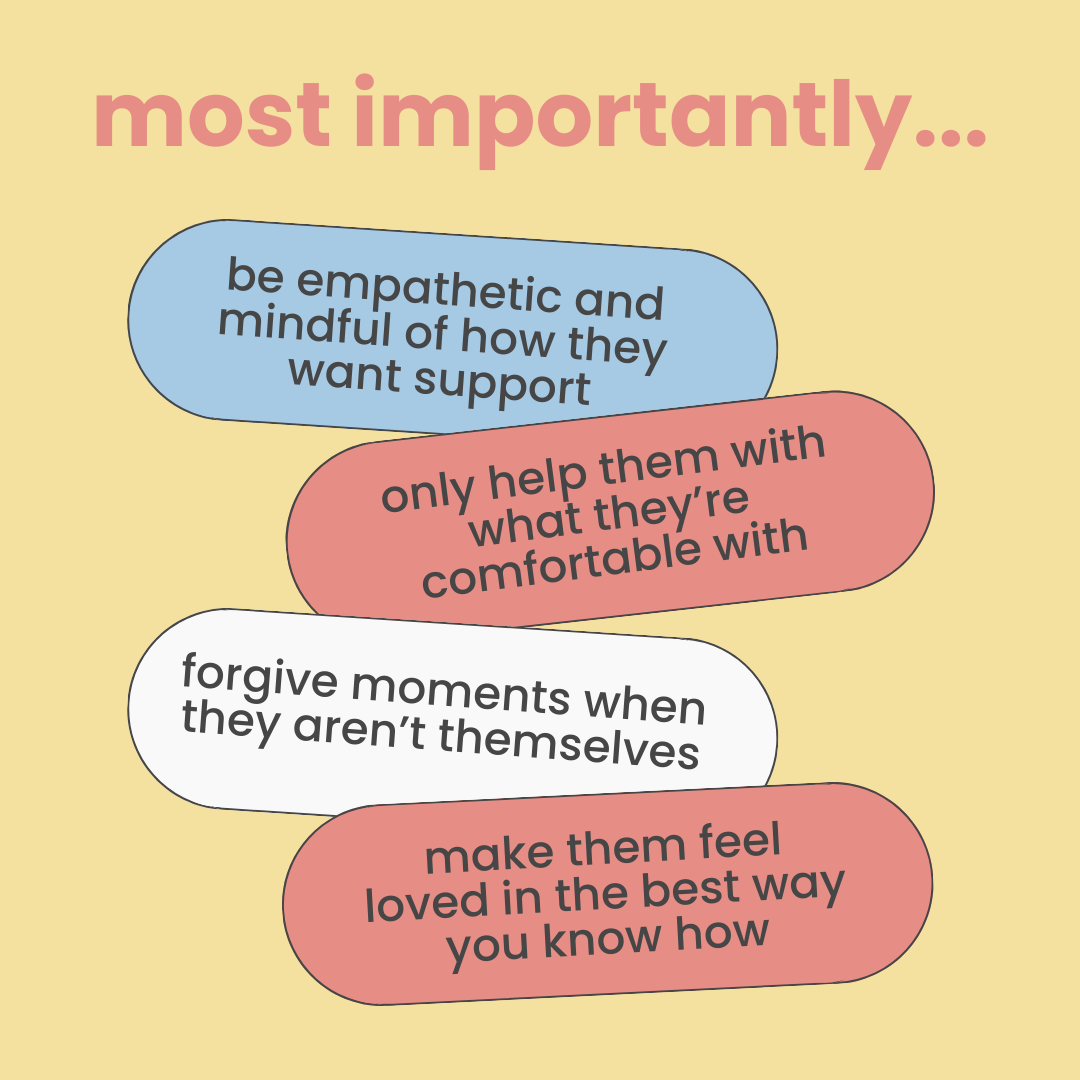
Most importantly – supporting someone going through menopause is about supporting their needs. Be empathetic, and consider who they are as a person before following all of the above tips – some may be more comfortable than others about being recommended resources or reminded of what they’re going through. In cases like this, be mindful that they’re going through a lot of changes, forgive moments when they might be not themselves, and make them feel loved in the best way you know how 🫶
Both the start and end of periods are huge changes for the body, so it can be helpful to bear this in mind, as whilst you're going through a confusing time as a teen, a parent or grandparent might be on the very same emotional rollercoaster as you! It can help you both feel less alone – connecting on your shared experience 😊
luna hopes this makes understanding menopause and supporting loved ones easier for you. By talking more about it, you can make a big difference in their lives 💯❤️
How we created this article:
luna's team of experts comprises GPs, Dermatologists, Safeguarding Leads and Junior Doctors as well as Medical Students with specialised interests in paediatric care, mental health and gynaecology. All articles are created by experts, and reviewed by a member of luna's senior review team.
Sources:
Women's Health Concern
https://www.womens-health-concern.org/Menopause Matters
https://www.menopausematters.co.ukNHS 'Menopause'
https://www.nhs.uk/conditions/menopause/NHS 'Menopause in the workplace'
https://www.engage.england.nhs.uk/safety-and-innovation/menopause-in-the-workplaceNHS Inform 'Supporting someone through the menopause'
https://www.nhsinform.scot/healthy-living/womens-health/later-years-around-50-years-and-over/menopause-and-post-menopause-health/supporting-someone-through-the-menopausePatient 'How to support someone during the menopause'
https://patient.info/news-and-features/how-to-support-someone-during-the-menopauseUCL 'Nine in ten women were never educated about the menopause'
https://www.ucl.ac.uk/news/2023/apr/nine-ten-women-were-never-educated-about-menopause