How does a period tracker work?
How do period trackers predict cycles and symptoms?
Updated January 28, 2026 • Medically reviewed by Dr. Emma Dickie
Medically reviewed by Dr. Emma DickieIn this article
- How does a period tracker work for teens?
- What information does a period tracker use?
- How does a period tracker estimate the next period?
- Do period trackers work for irregular periods?
- How can a period tracker help my daughter?
- Are period tracker apps safe for teenagers?
- Does it matter who makes a period tracker app?
- How do I choose the right period tracker for my daughter?
- What should parents remember about how period trackers work?
- FAQs
How does a period tracker work for teens?
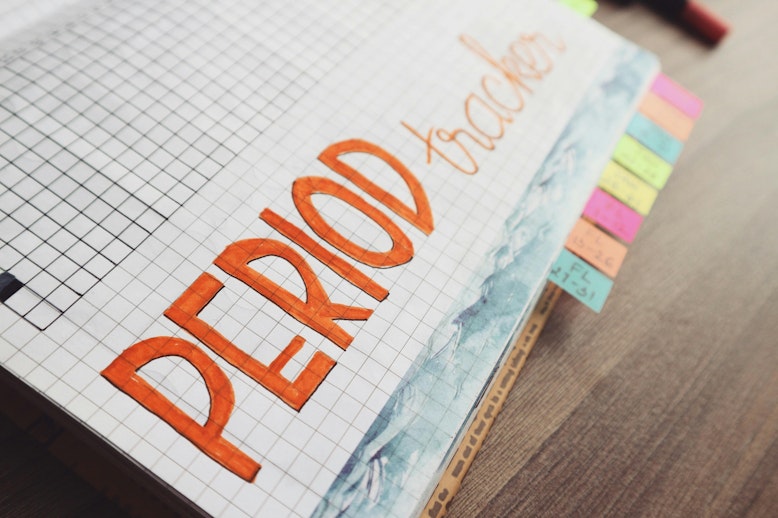
A period tracker works by recording the first day of each period and using past cycle lengths to estimate when the next period may start.
Over time, many trackers also use logged symptoms to show patterns and help users understand how their body changes across the cycle.
For parents, period trackers can be a helpful tool to get their teens to learn about their menstrual cycle without having to calculate dates themselves.
For younger teens, trackers are best used as learning tools rather than exact predictors when periods are still irregular.
What information does a period tracker use?
A period tracker uses information entered by the user to understand how their menstrual cycle usually behaves.
Consistently logging information helps the tracker identify clearer patterns over time.
Most period trackers use:
- the first day of each period
- the length of each cycle
- how long bleeding lasts
- physical symptoms like cramps or headaches
- emotional changes such as low mood or irritability
These patterns often align with the different phases of the menstrual cycle, which helps explain why certain symptoms repeat even if cycle length changes.
How does a period tracker estimate the next period?
A period tracker estimates the next period by averaging previous cycle lengths.
Each new cycle logged helps adjust this estimate slightly over time.
For teens, these estimates should be treated as rough guides, not fixed dates.
During puberty, cycles often vary as hormones settle, which can affect accuracy.
Learning about when a teen’s next period might be coming can help families understand how to use predictions realistically.
Do period trackers work for irregular periods?
Yes, period trackers can still be useful for irregular periods, especially when they focus on symptom patterns alongside dates.
While date estimates may shift, symptom tracking can still help teens feel more prepared.
For irregular cycles, trackers can help:
- highlight common pre-period signs
- reduce stress around unexpected periods
- build body awareness over time
Parents can read more about this approach in this guide on whether there is a period tracker for irregular periods.
How can a period tracker help my daughter?
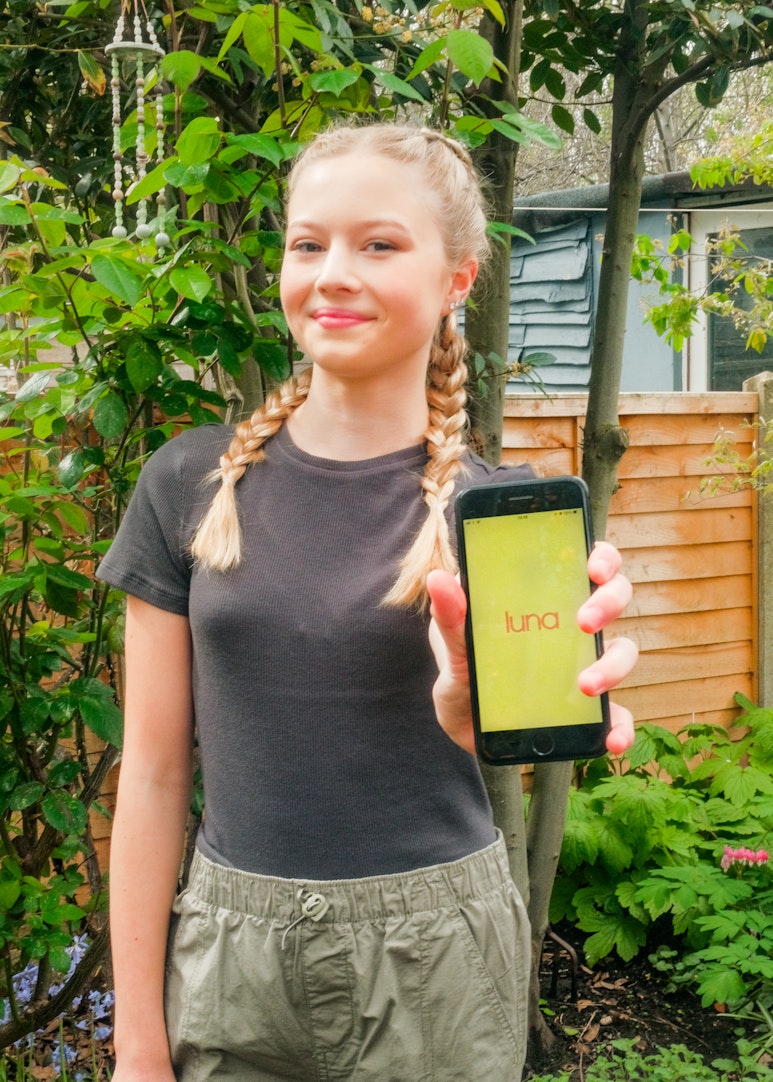
A period tracker like luna can help your daughter not only track her period, but also help her understand menstrual changes, mood swings, etc.
Used well, it supports conversation rather than monitoring.
Tracking can help your daughter:
- notice patterns in mood or energy
- understand changes before a period
- prepare for unexpected periods
Many parents also find it helpful to learn how to track their daughter’s period in a supportive way.
Are period tracker apps safe for teenagers?
Some period-tracking apps are designed specifically for teens, while others are built primarily for adults.
Safety depends on how personal data is handled, how content is written, and whether predictions are explained responsibly.
Parents may want to consider:
- how data is stored and protected
- whether predictions are framed as estimates
- if the language is supportive and age-appropriate
This teen period tracking app safety guide explains what to look for when choosing an app for a young person.
Does it matter who makes a period tracker app?
For some families, knowing who made a period tracker app feels important when choosing a tool for a teen.
This can offer reassurance about perspective, lived experience, and design choices.
Some parents prefer apps shaped by conversations with teens or created by people who understand adolescence firsthand.
You can read more about period tracker apps made by women and why some families consider this when deciding what feels right.
How do I choose the right period tracker for my daughter?
There isn’t one period tracker that suits every teen.
The right choice depends on age, comfort level, and what kind of support feels helpful.
Many parents look for apps that:
- focus on learning rather than pressure
- explain predictions clearly
- support irregular cycles
- respect privacy
Comparing options can help. These guides on the best period tracker apps for teenage girls and choosing a teen period tracker support informed decision-making.
What should parents remember about how period trackers work?
Period trackers use past cycle data to estimate future periods, but they cannot predict cycles perfectly – especially during the teen years.
For most young people, tracking works best as a way to learn patterns and feel prepared rather than rely on exact dates.
With reassurance and open conversation, period trackers can help teens build confidence, body awareness, and understanding as their cycle develops.
FAQs
Which day counts as day 1 of a period?
Day 1 of a period is usually the first day of bleeding that needs a pad, tampon, or period underwear.
Light spotting before proper bleeding usually does not count as day 1 though some people do like to count it – it's up to you.
Following the same tracking choice each month and being consistent is what helps make cycle patterns clearer over time.
Why is my period tracker sometimes wrong?
Period trackers can seem wrong because teen cycles are often unpredictable in the first few years after periods begin.
Stress, illness, growth, or changes in routine can also all affect when a period starts.
Trackers are most useful for noticing patterns and helping teens feel prepared in the early stages of a cycle, rather than predicting exact dates immediately.
Can I trust a period tracker?
A period tracker can be trusted as a learning tool, especially for teens who are still getting used to their cycle.
It can help with preparation and awareness, but it cannot guarantee exact dates.
Choosing a teen-focused app that explains predictions clearly and handles data responsibly, like luna, can make tracking feel more supportive and reliable.
How do I know when my period is officially over?
A period is usually considered over when bleeding has stopped completely for at least a day.
Light spotting at the very end of a period may still be part of the same cycle. Logging when bleeding fully ends helps improve future predictions in a tracking app.
What is considered an irregular period?
A period is considered irregular when cycle lengths vary a lot from month to month or when months are skipped.
In teens, irregular periods are common in the first 1-2 years after starting and usually settle over time.
Periods that remain very irregular, very heavy, or painful should be checked by a doctor.
How we created this article:
luna's team of experts comprises GPs, Dermatologists, Safeguarding Leads and Junior Doctors as well as Medical Students with specialised interests in paediatric care, mental health and gynaecology. All articles are created by experts, and reviewed by a member of luna's senior review team.
We'd love to keep in touch!
Sign up to our parent newsletter for emails on the latest teen trends, insights into our luna community and to keep up to date
By signing up, you are agreeing that we can use your email address to market to you. You can unsubscribe from marketing emails at any time by using the link in our emails. For more information, please review our privacy statement.