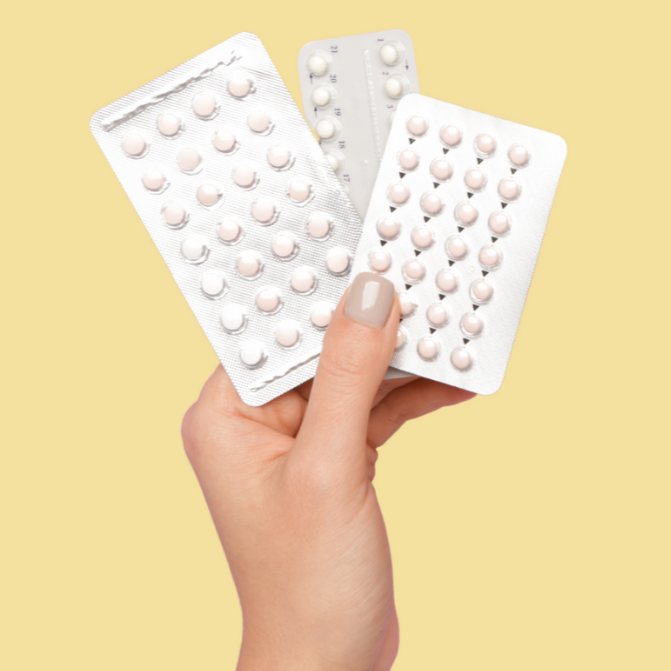
What is contraception?
Breaking down birth control 💛
Quick summary 📝
1️⃣ Contraception, or birth control, can be used to prevent pregnancy
2️⃣ There are many types, including barrier methods (like condoms), hormonal options (like the pill) and long-term options (like the coil)
3️⃣ Contraception is personal; there’s no one-size-fits-all, so finding the right method for you means understanding your options
Contraception is another way of saying “birth control".
It comes in different forms, and depending on what form that is, it can be used to...
👉 Prevent unwanted pregnancy
👉 Regulate and help periods
Condoms also help to prevent STIs, and should be used alongside other methods.
Choosing to use contraception is a personal decision, but understanding your options can help you make the right choice for you.
So, here’s an overview of what forms of contraception there are, and how they work.
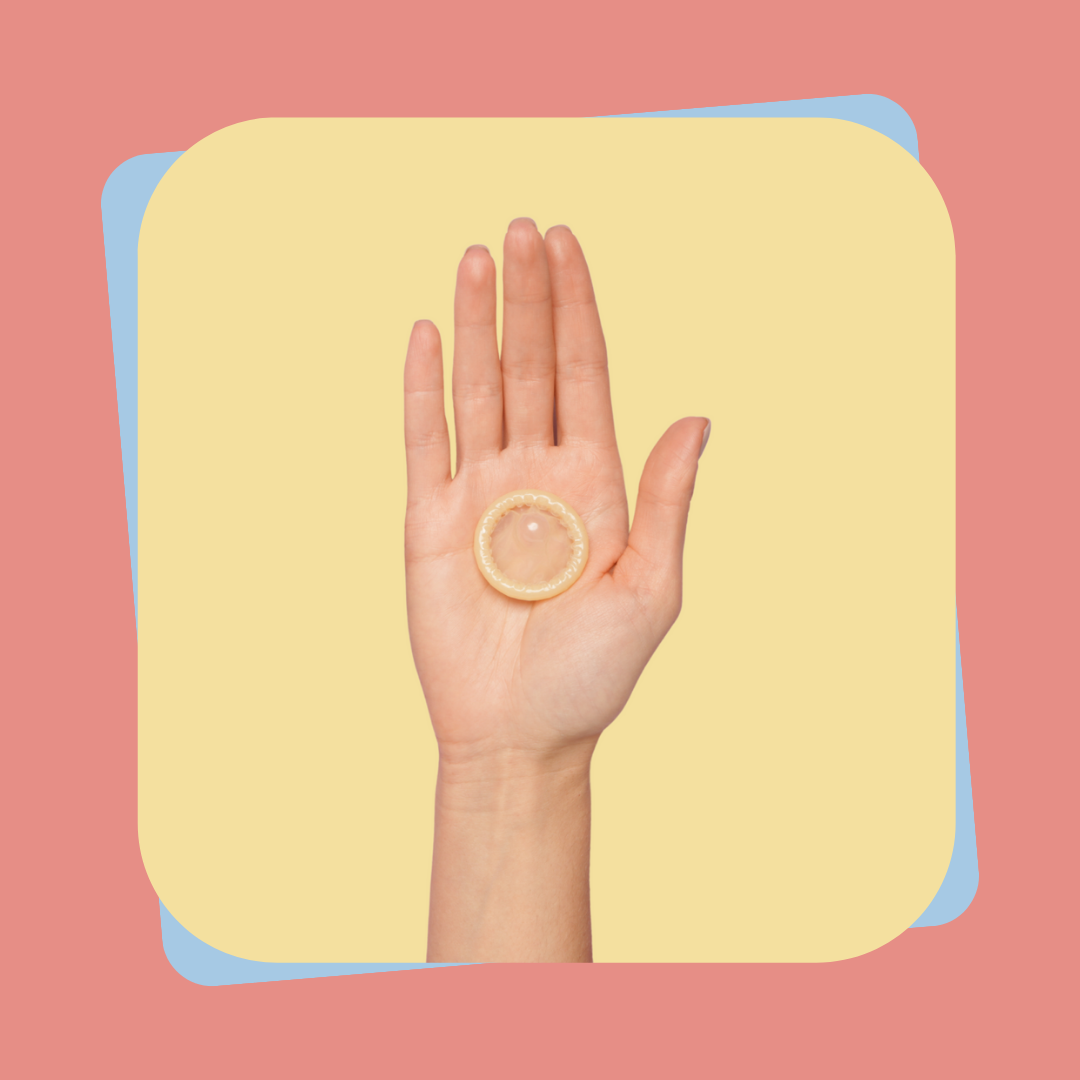
Condoms
Condoms are one of the most common contraception methods because they...
👉 Are easy to use
👉 Don't cause side effects
Condoms create a physical barrier that also protects against sexually transmitted infections.
Unlike hormonal contraception (for example, the contraceptive pill), condoms don’t cause side effects like changes in mood, appetite, or skin. Non-latex ones are available if you’re allergic.
The contraceptive pill
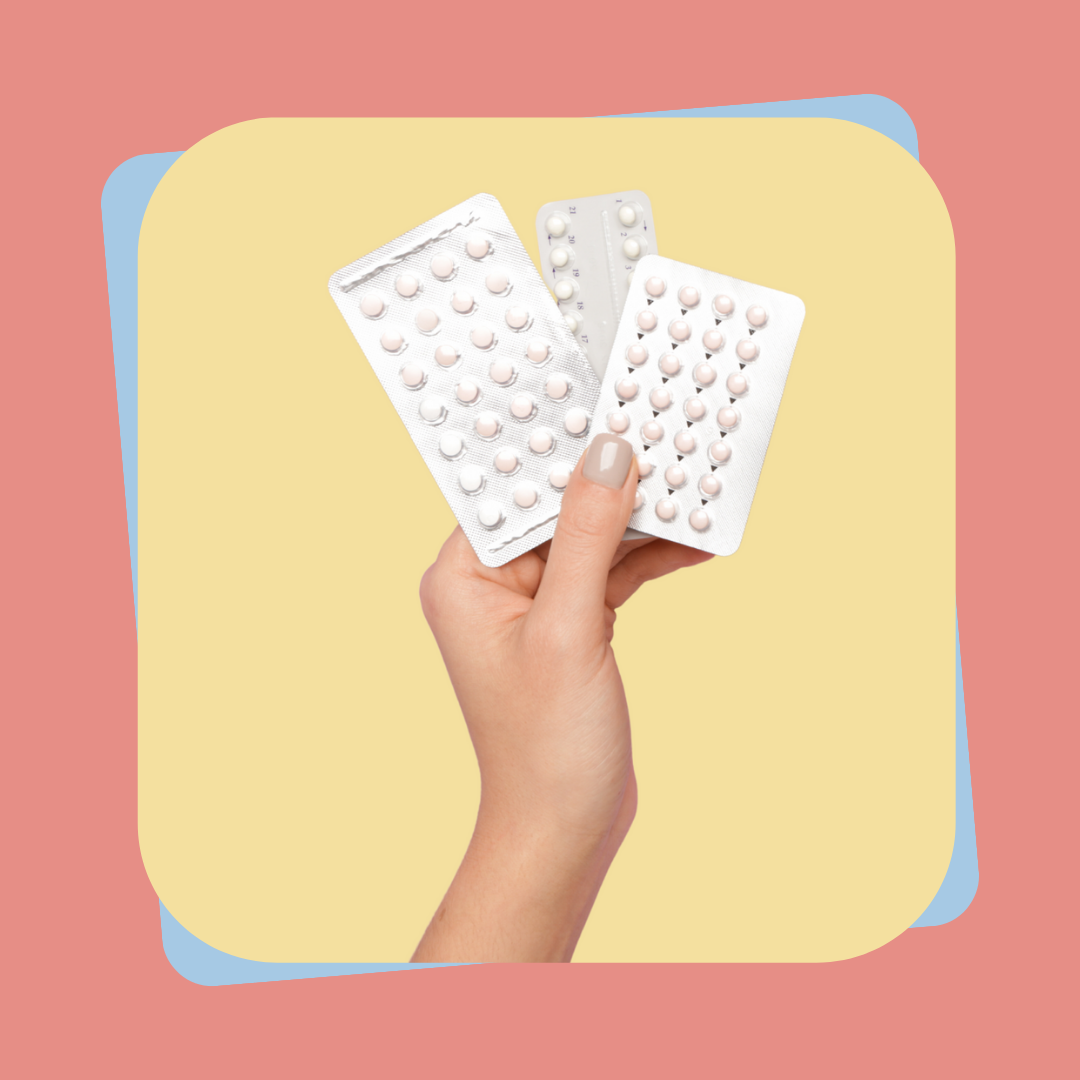
There are two main types of pill, and both work using hormones (chemical messengers in your body).
👉 Combined pill: contains two hormones, oestrogen and progestogen, and can help with periods and sometimes acne
👉 Progestogen-only pill: also called the mini pill, it contains just one hormone and no oestrogen
Some people notice mood changes or sore breasts at first, but everyone’s different.
Pills need to be taken regularly, following the instructions on the packet.
Some pharmacies can give you the pill for free without a prescription. You can also buy the mini pill from some pharmacies.
The contraceptive implant
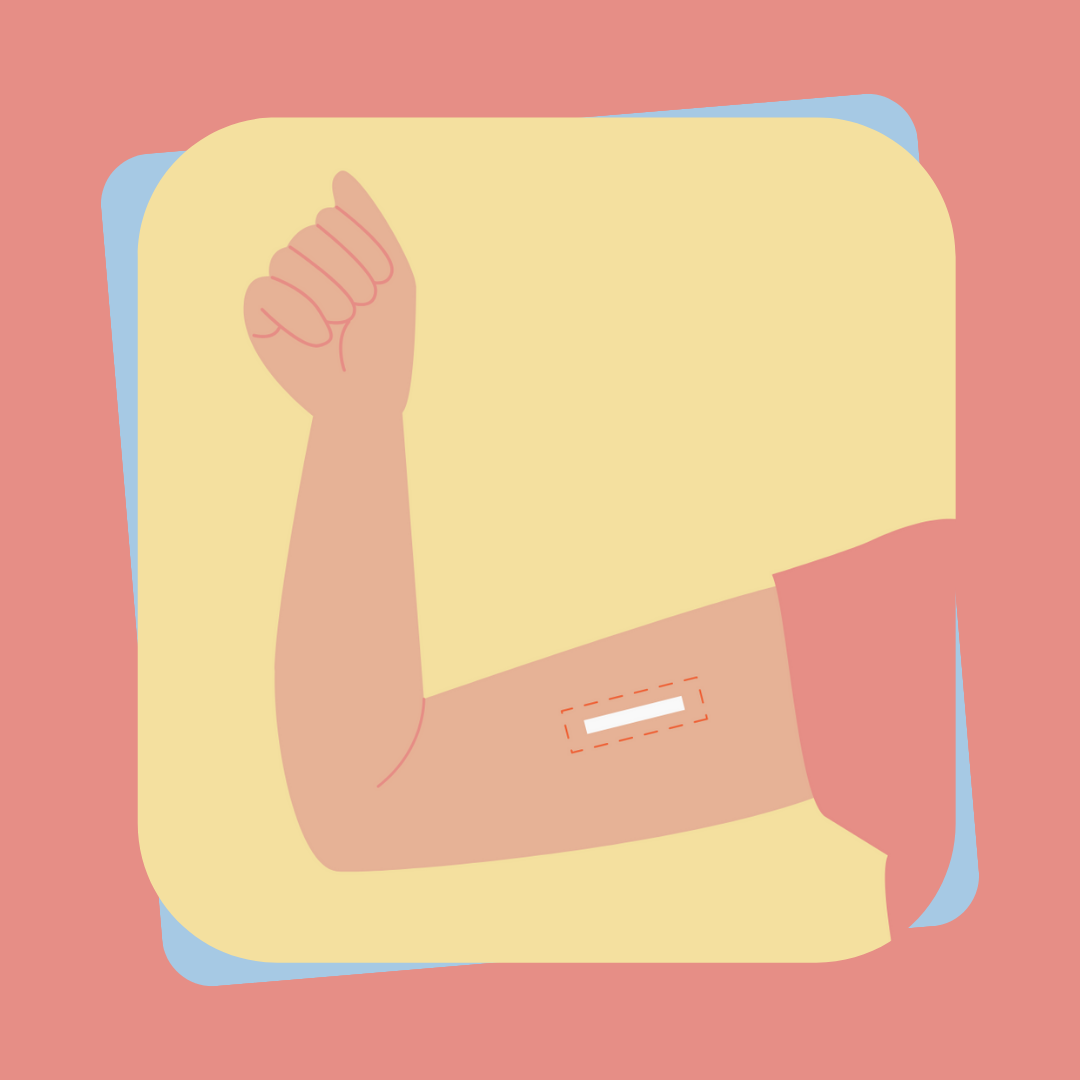
The implant is a small rod placed just under the skin, usually in the arm.
It gradually releases progestogen, which is a hormone that stops an egg from being released each month.
👉 Long-lasting, it works for up to 5 years before needing replacement
👉 Inserted and removed by a doctor or nurse
The implant is a low-maintenance option as, unlike the contraceptive pill, you don't need to remember to take it daily.
The coil
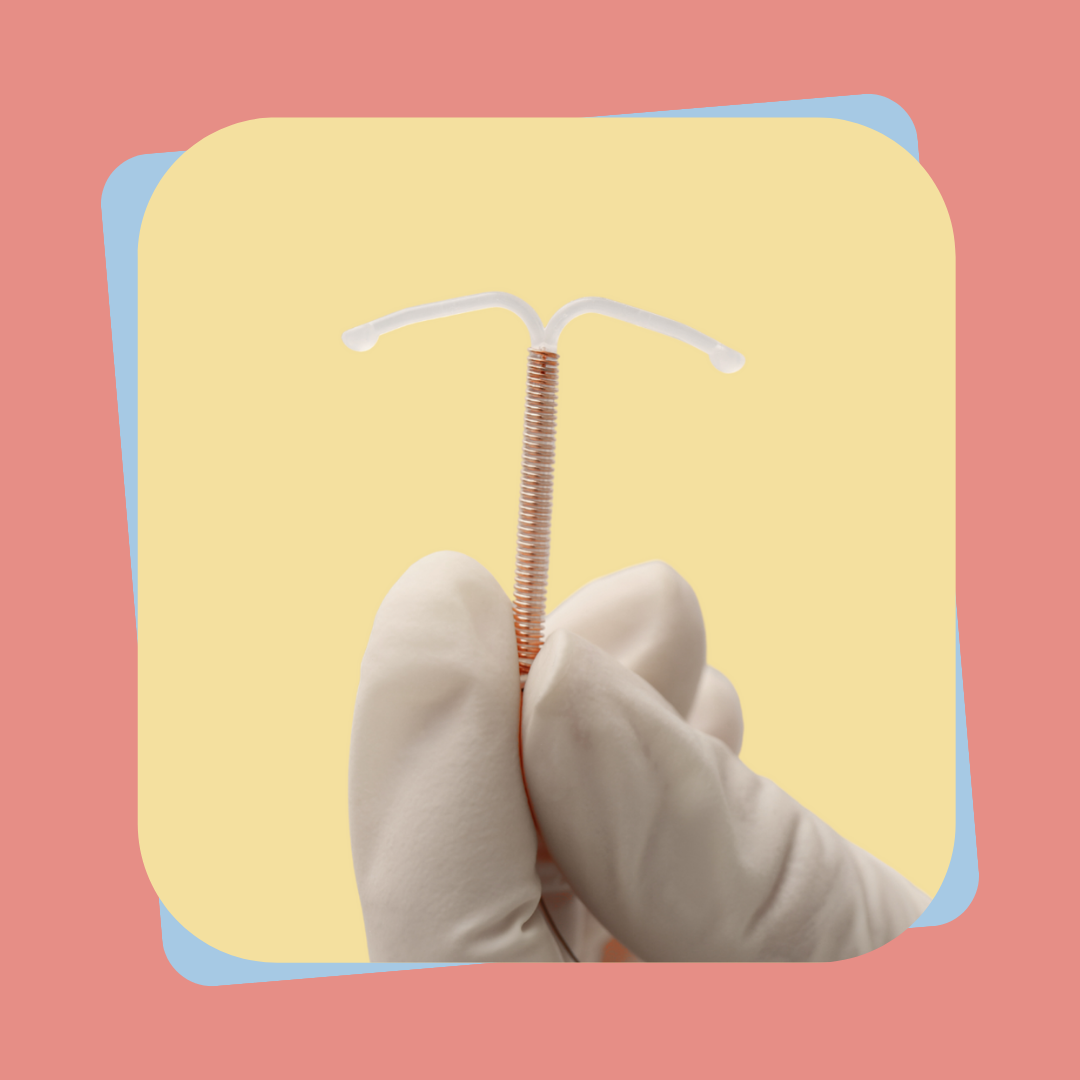
There are two types of coil. Both are small T-shaped devices that a doctor or nurse puts into your womb (uterus).
Copper coil (IUD)
👉 How it works: it releases copper, which makes it hard for sperm to reach an egg and survive
👉 How long it lasts: it works straight away and lasts 5 to 10 years, depending on the type
👉 Periods: they can be heavier, longer or more painful for the first 3 to 6 months
👉 No hormones: so no hormonal side effects like acne or headaches
Hormonal coil (IUS)
👉 How it works: it releases progestogen, a hormone that helps prevent pregnancy
👉 How long it lasts: several years
👉 Periods: it can make them lighter, shorter, or stop them altogether
Both coils are low maintenance once they’re in. They can be taken out at any time, and your fertility goes back to normal straight away.
The contraceptive injection
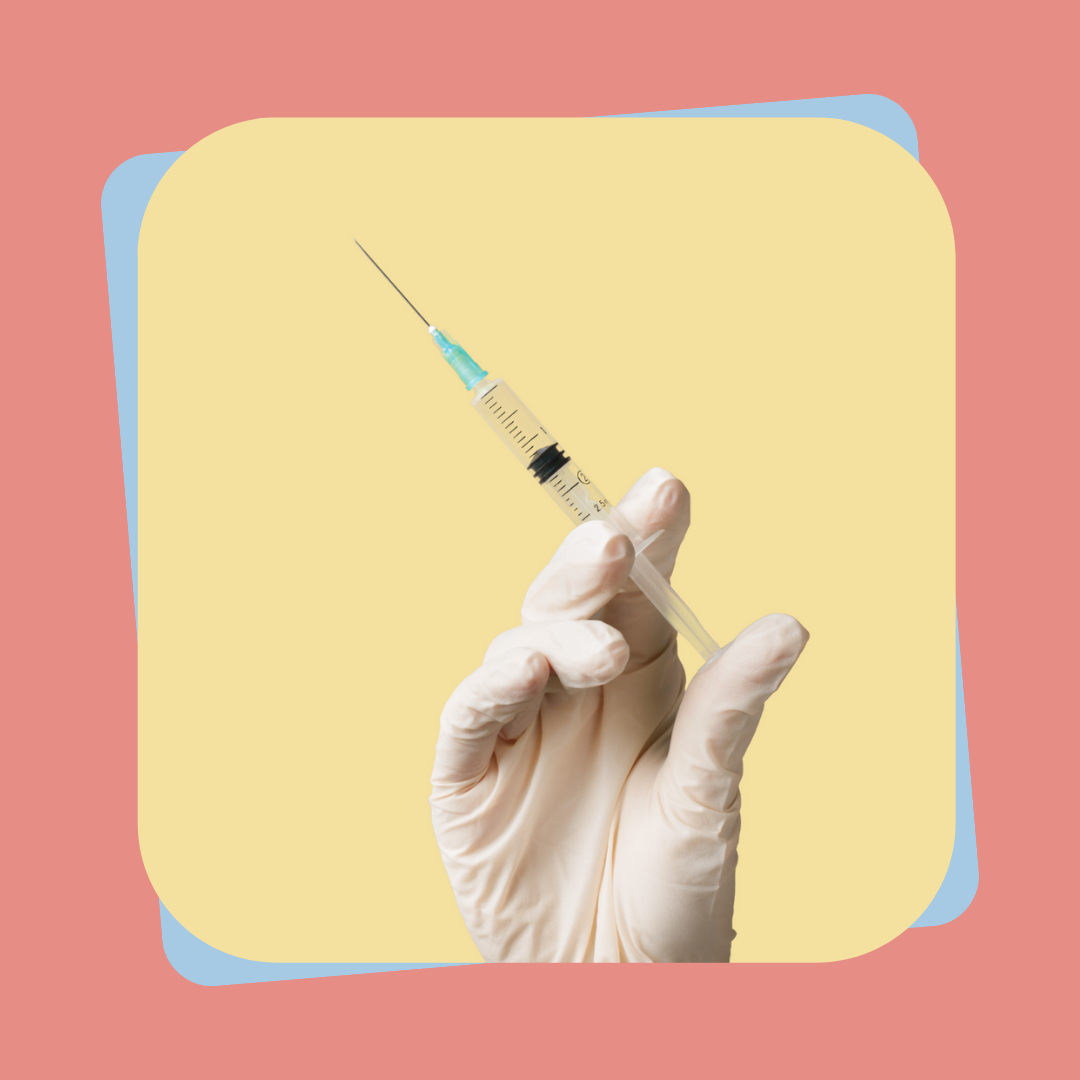
The injection slowly releases progestogen, which prevents ovulation (the release of an egg each month).
👉 Given every 8 to 13 weeks, depending on the type
👉 Injected into the bottom, thigh, or upper arm
👉 Periods may take up to a year to return to normal after stopping
The injection is low maintenance, but it’s worth knowing your periods can take a while to settle after you stop.
The contraceptive patch
The patch is a small sticker that releases hormones through the skin to prevent pregnancy.
👉 Lasts for 1 week before needing to be changed
👉 Can be placed on most areas of the body, except the breasts or on sensitive and irritated skin
👉 Must be applied to clean skin where it won’t rub off
The patch is a convenient option, but it’s important to use it correctly for it to be effective.

Vaginal rings
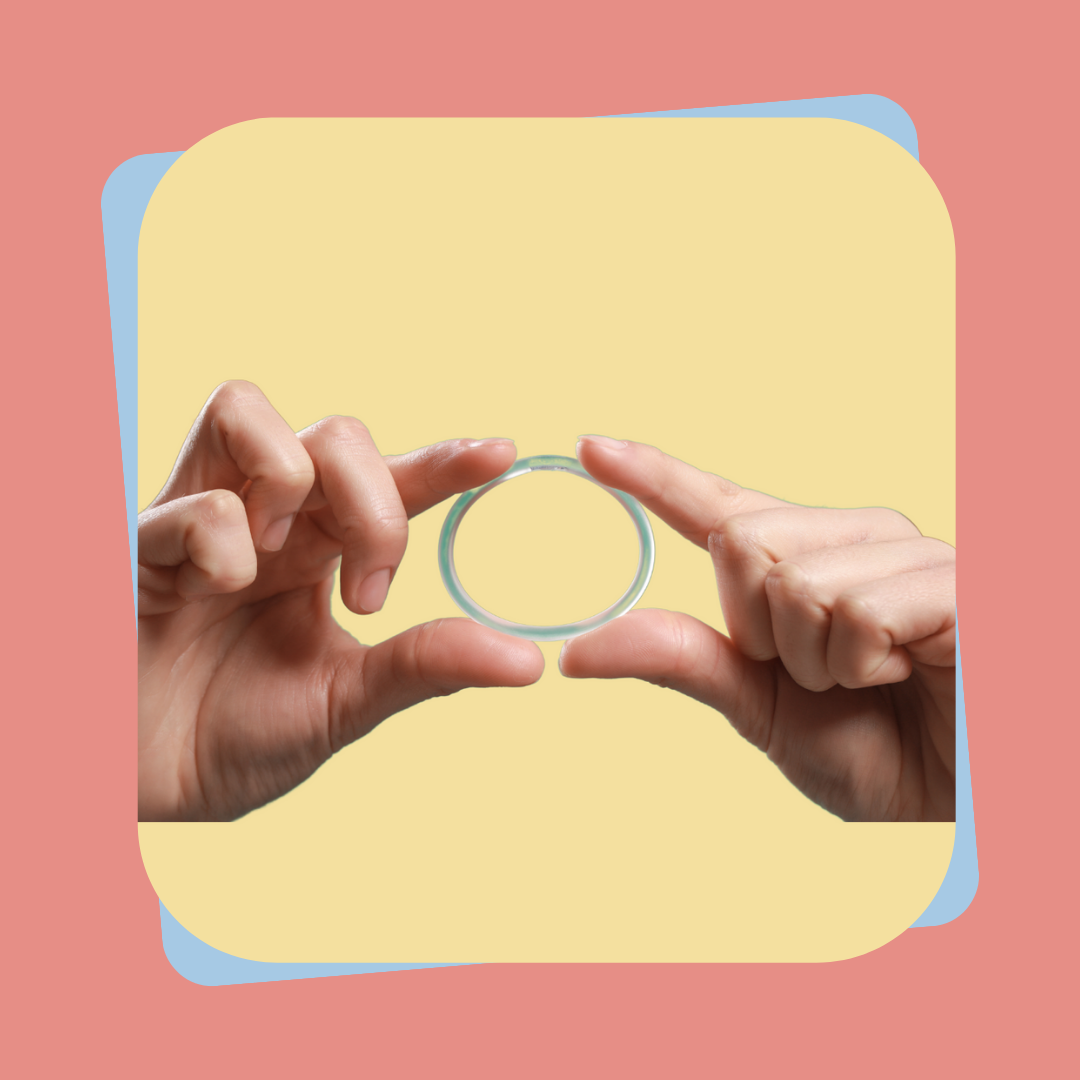
The vaginal ring is a small silicone ring that releases hormones to prevent pregnancy.
👉 Stays in for 3 weeks, then you take it out for a week before putting in a new one
👉 Worn inside the vagina, where it slowly releases hormones
The vaginal ring is a low-maintenance option, but it’s important to use it properly.
Diaphragms and Caps
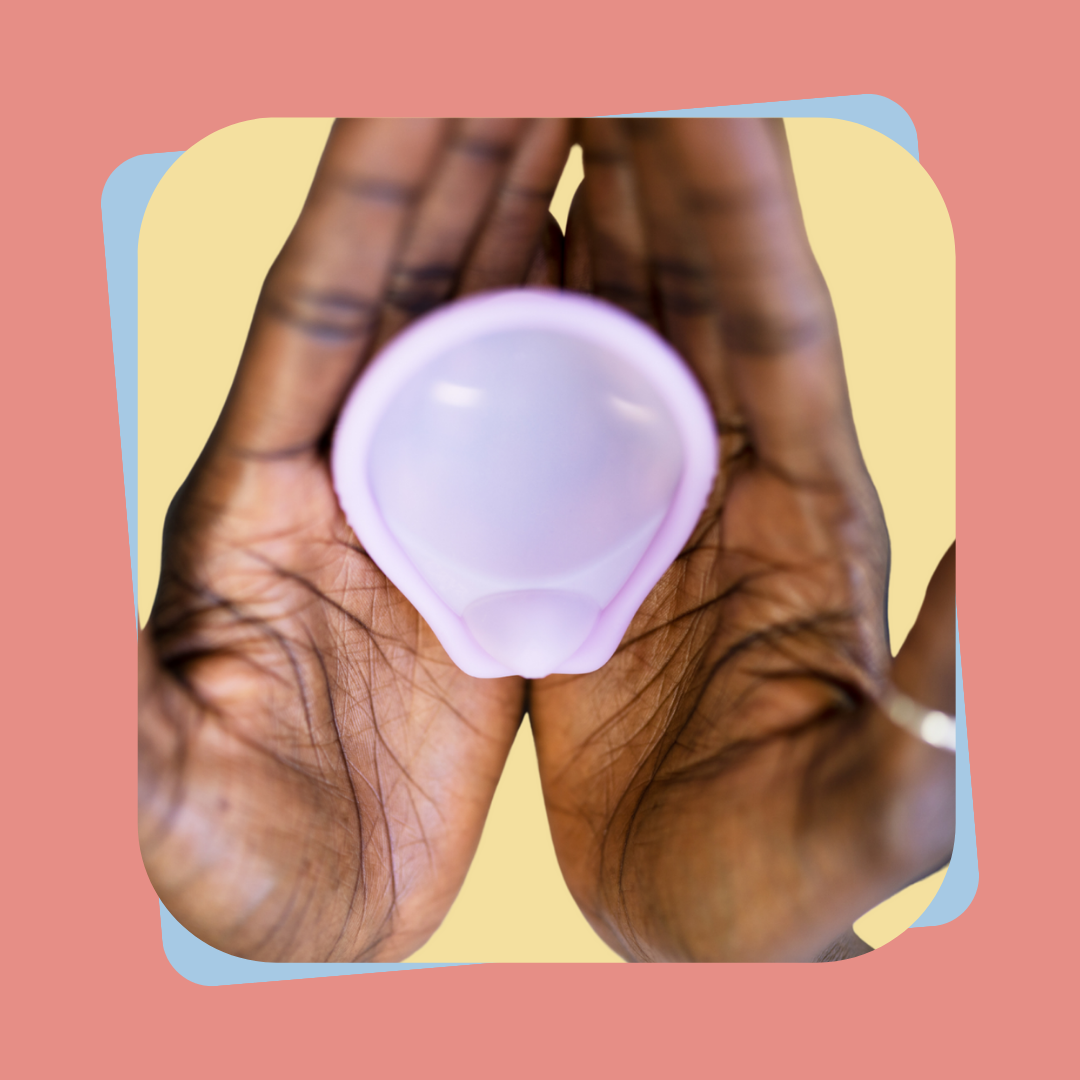
A diaphragm or a cap is a thin silicone dome inserted into the vagina before sex to prevent pregnancy.
👉 Barrier method: it stops sperm getting into your womb
👉 Used with spermicide: a gel that kills sperm
👉 Timing: it goes in before sex, and needs to stay in for at least 6 hours after
👉 Getting the right size: a doctor or nurse will help you find the right fit the first time
They’re a good hormone-free option, but they can take a bit of practice to use properly.
Where can you get contraception?
You can get it for free from sexual health clinics, some doctor surgeries and young people’s services.
Some pharmacies can also give you the pill without a prescription.
It’s confidential, even if you’re under 16. A doctor or nurse won’t tell your parents unless they think you or someone else is at risk of harm.
What if something goes wrong?
If a condom splits or you forget your pill, emergency contraception can help prevent pregnancy.
You can get the morning after pill from some pharmacies without a prescription, or a copper coil can be fitted by a doctor or nurse.
The sooner you get it, the better, so don’t wait to ask.
Contraception isn’t one-size-fits-all
Whichever method of contraception you use, or are thinking about trying, it’s all about finding what works best for you.
There’s no one-size-fits-all option, and it’s okay if your needs change over time.
If you’re looking to start or switch contraception, visiting a doctor or sexual health clinic can help you explore your options.
Ask as many questions as you need. This is your body, and you deserve to feel confident and in control of your choices ✨
How we created this article:
luna's team of experts comprises GPs, Dermatologists, Safeguarding Leads and Junior Doctors as well as Medical Students with specialised interests in paediatric care, mental health and gynaecology. All articles are created by experts, and reviewed by a member of luna's senior review team.
Sources:
Kids Health "About birth control" | Accessed 12.10.26
https://kidshealth.org/en/teens/contraception.html#catcontraceptionNHS "Contraception" | Accessed 12.10.26
https://www.nhs.uk/contraception/