
Bum spots: why buttne happens + tips to help it
Top tips to treat spots on your bum cheeks 🍑
Quick summary 📝
1️⃣ Bum spots usually aren’t acne. They’re often folliculitis or keratosis pilaris, which are both common and harmless
2️⃣ Sweat, rubbing, hair removal and blocked follicles can all play a part, but gentle skincare can help
3️⃣ Folliculitis often clears in a few weeks, but KP can last years. If spots get sore or won’t go away, see a doctor

Noticed spots on your bum? Butt acne, or ‘buttne’, is a common and frustrating issue that A LOT of people experience.
You might think those little spots on your bum are acne, but they’re usually something else 🤔
Let's talk about what these bum spots are caused by, and how to help prevent them.
So, what are those spots on your bum?
While buttne can sometimes be linked to excessive oil production (which is what causes "true" acne) this isn’t very common.
Unlike acne on the face, chest, or back, bum spots are usually a type of folliculitis, which is a mild inflammation of the hair follicles on the bum.
For some people, these little spots could also be keratosis pilaris, a harmless skin condition.
(Getting a bit medical, we know, but it’s probably worth knowing!)
What causes bottom spots?
There are a few different reasons why buttne may be cropping up 👇
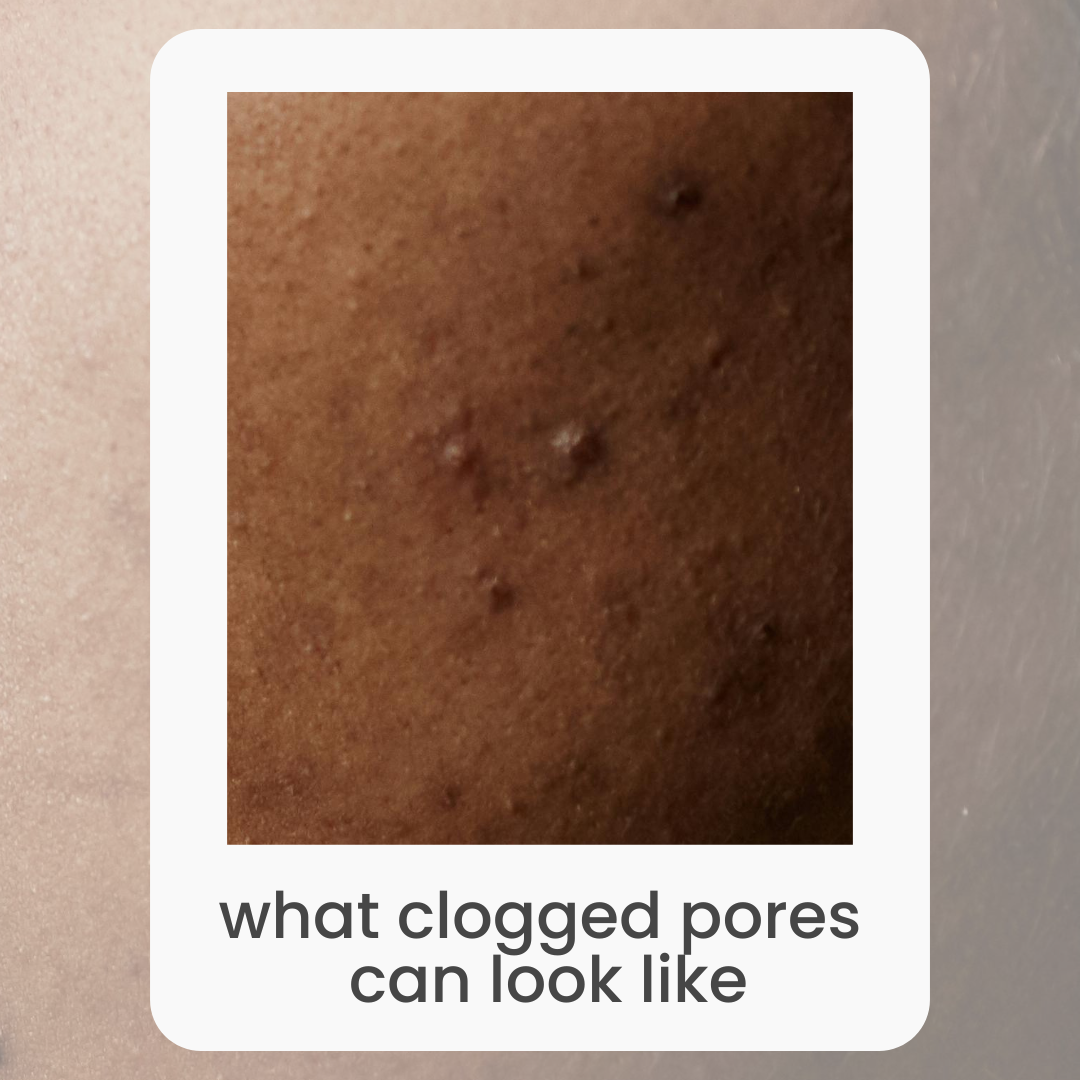
Clogged pores
This one isn't that common, but it's still worth mentioning!
Blocked pores happen when oil and dead skin cells get trapped in hair follicles. This can lead to whiteheads or blackheads, just like typical acne.
While this can happen anywhere on the body, it can also affect the skin on your bum 🍑
Folliculitis
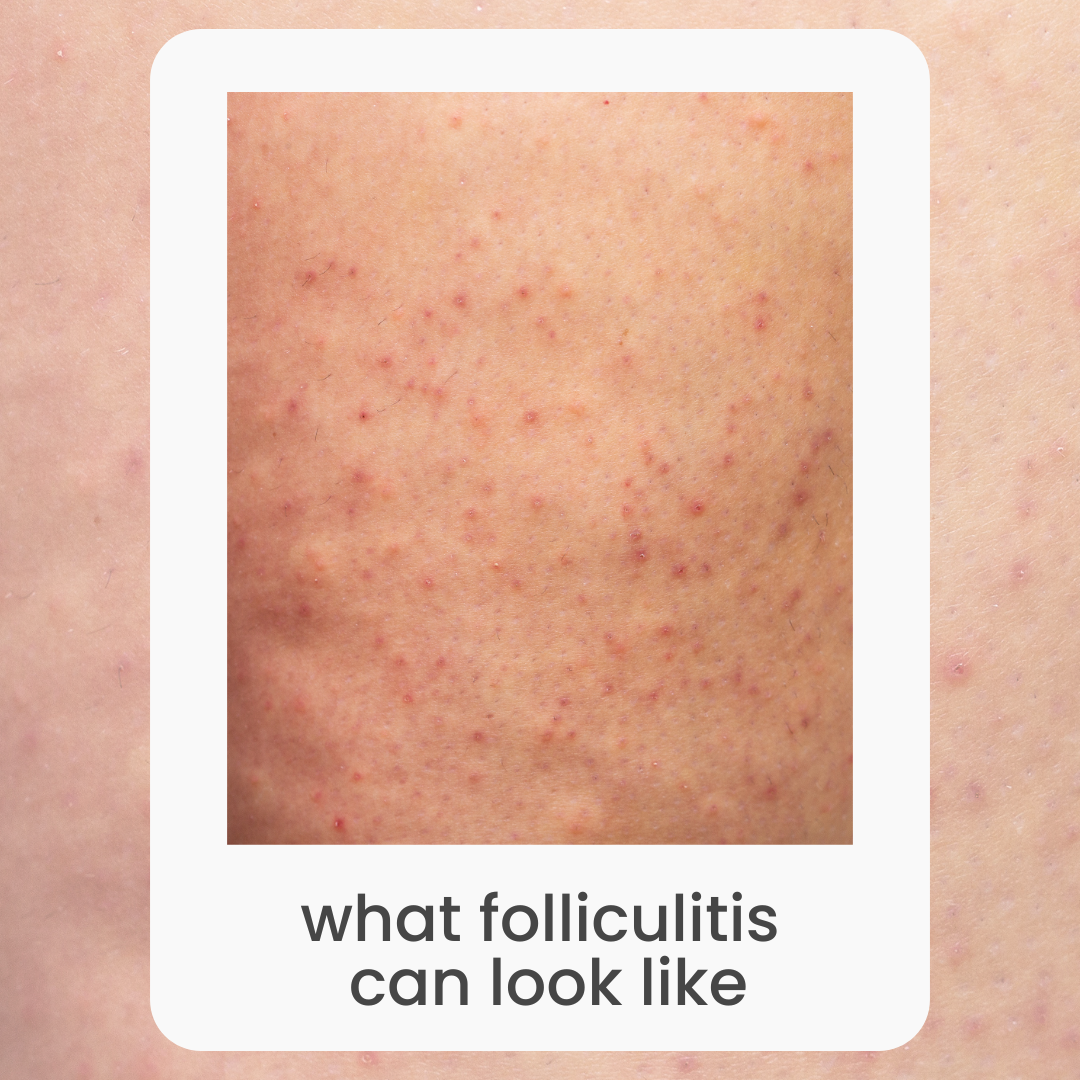
Folliculitis is when your hair follicles (the tiny holes your hairs grow out of) get inflamed.
It usually shows up as tender spots, often red, and sometimes with a little pus-filled head on top.
It can happen anywhere you’ve got hair, and it’s really common on the bum.
A few things can set it off:
👉 Bacteria: a common germ that lives on skin can get into follicles and cause red, sore bumps
👉 Hair removal: shaving, waxing or plucking can irritate follicles as the hair grows back
👉 Blocked follicles: thick, greasy creams can clog things up, so oil-free ones are a better bet
Mild folliculitis often settles by itself. But if bacteria are behind it, it might need antibiotic treatment from a doctor.
Keratosis pilaris
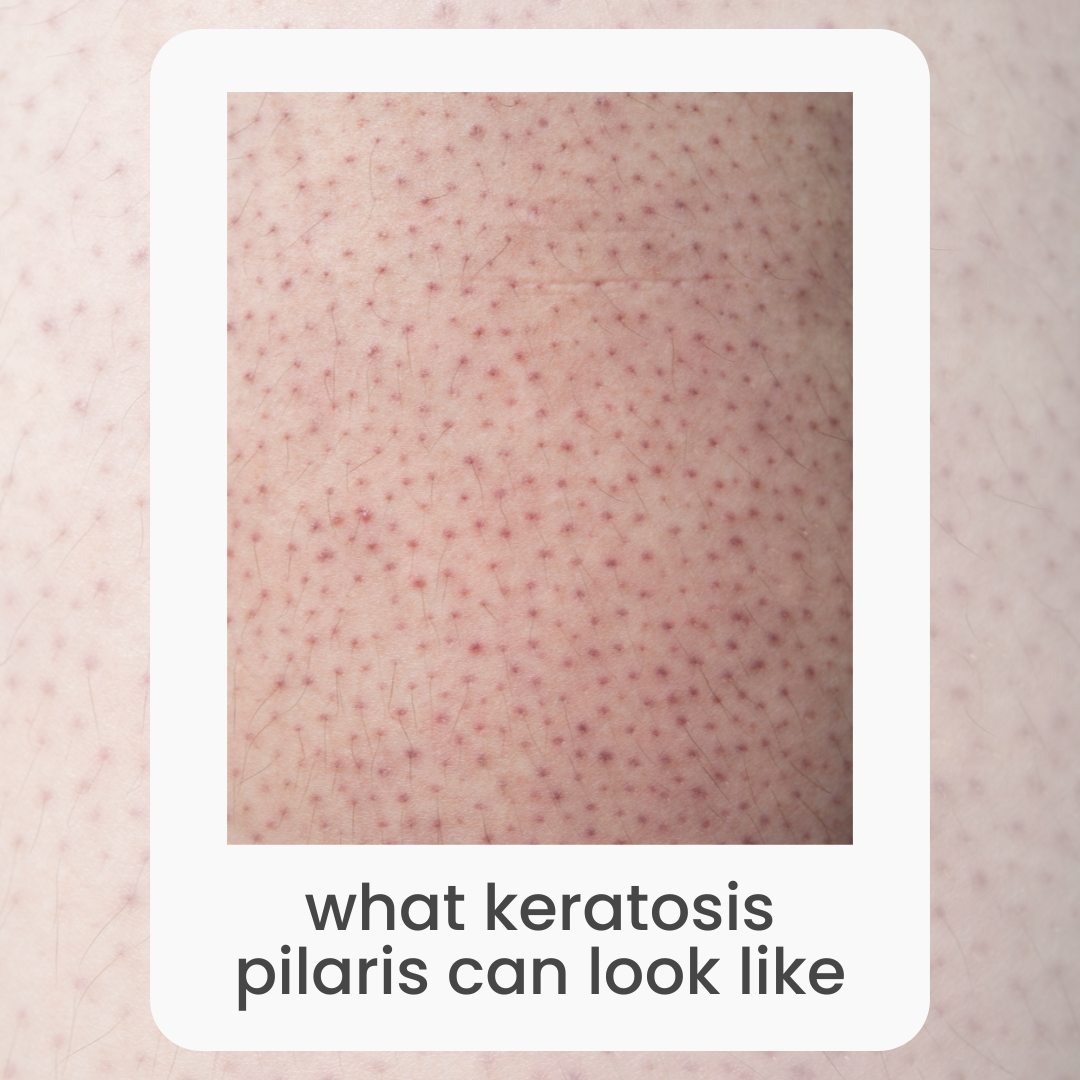
Keratosis pilaris (KP for short) is a really common, harmless skin condition. Some people call it “chicken skin”.
It happens when keratin (a protein found in your skin, hair and nails) builds up and blocks your hair follicles.
You’ll usually notice dry, rough patches of tiny bumps on your arms, thighs or bum.
The bumps can be skin coloured, red, white, or darker than your skin. They don’t hurt, but they can feel itchy.
Lots of people find KP gets better in summer and worse in winter ☀️
KP can stick around for years, but it often fades over time. It’s not infectious, so you can’t catch it or pass it on.
How to treat bum spots
Buttne often clears up on its own, but if there’s an underlying condition, you may need specific medical treatments.
A pharmacist can recommend products if needed, but some general tips include:
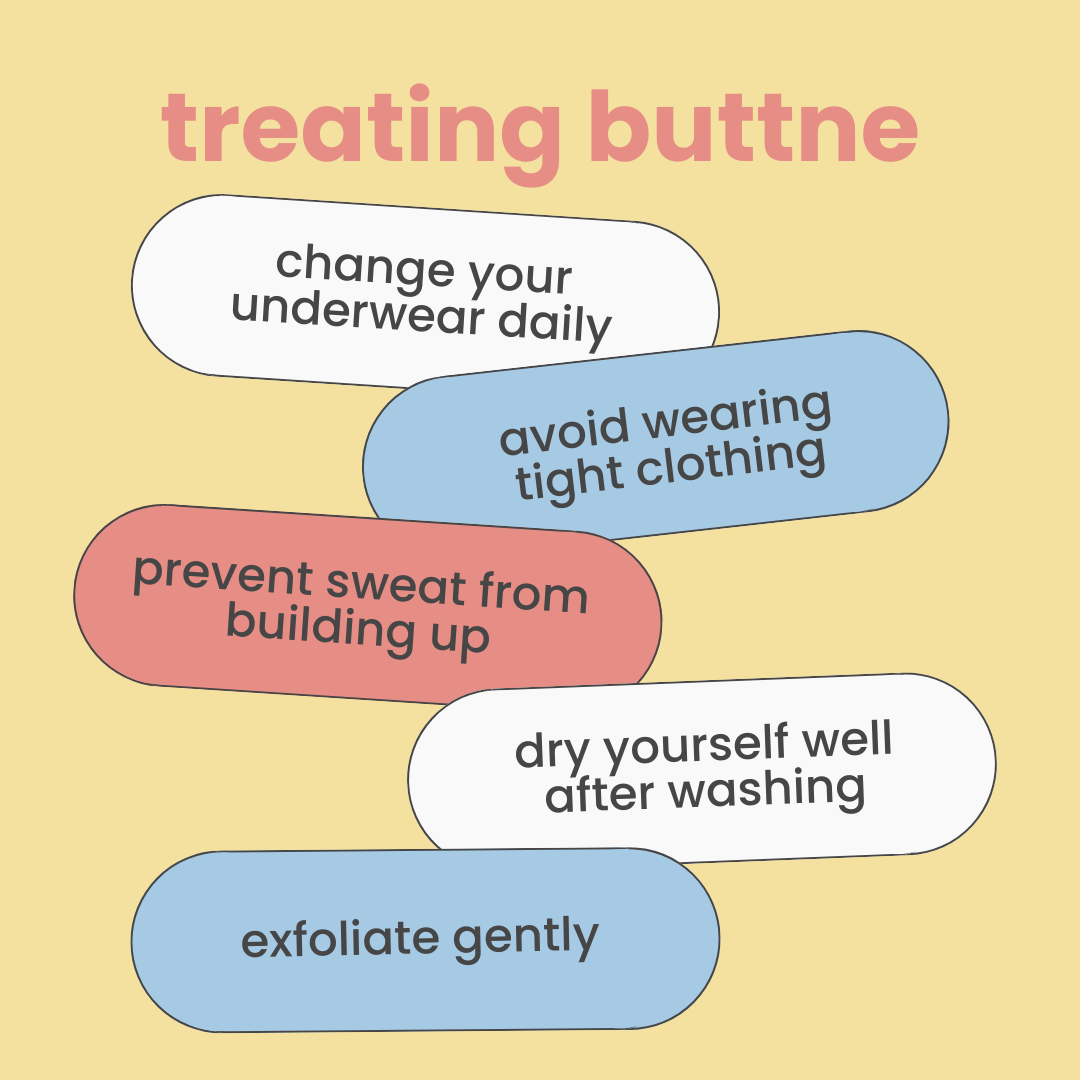
👉 Change your underwear daily as fresh, breathable fabric helps cut down on sweat and rubbing
👉 Wear looser clothing to avoid friction from tight fabrics
👉 Prevent sweat buildup and, after exercise, wash the area to remove excess oils and prevent clogged pores
👉 Dry yourself well after washing to avoid trapping moisture on the skin
👉 Exfoliate gently, especially if you have keratosis pilaris, but be careful not to scrub too hard, as this can make the problem worse
Bum spots sticking around? Here’s what to do
Folliculitis often settles within a few days or weeks. Keratosis pilaris is different, and it can stick around for years (it’s harmless though, and often fades over time).
But if the spots aren’t going away, become more red or painful, or if you start feeling unwell, it’s a good idea to see a doctor.
They can help explain what’s going on and let you know if any treatment is needed. You don’t have to figure it out alone 🫶
How we created this article:
luna's team of experts comprises GPs, Dermatologists, Safeguarding Leads and Junior Doctors as well as Medical Students with specialised interests in paediatric care, mental health and gynaecology. All articles are created by experts, and reviewed by a member of luna's senior review team.
Sources:
Mayo Clinic "Folliculitis" | Accessed 09.10.26
https://www.mayoclinic.org/diseases-conditions/folliculitis/symptoms-causes/syc-20361634NHS "Keratosis pilaris" | Accessed 09.10.26
https://www.nhs.uk/conditions/keratosis-pilaris/AAD "Folliculitis" | Accessed 09.10.26
https://www.aad.org/public/diseases/a-z/folliculitisNHS “Acne” | Accessed 09.10.26
https://www.nhs.uk/conditions/acne/