What if your daughter's struggling to make friends at secondary school?
Helping her find her people

Updated August 4, 2026
In this article
In short
It's very common for a girl to take a term or two to find her people at secondary school.
A bigger year group, split-up primary friendships, and new routines all make it harder, and a slow start usually reflects the size of the change rather than a lasting problem.
Listening first, easing her towards clubs she'd enjoy, and telling school early all help.
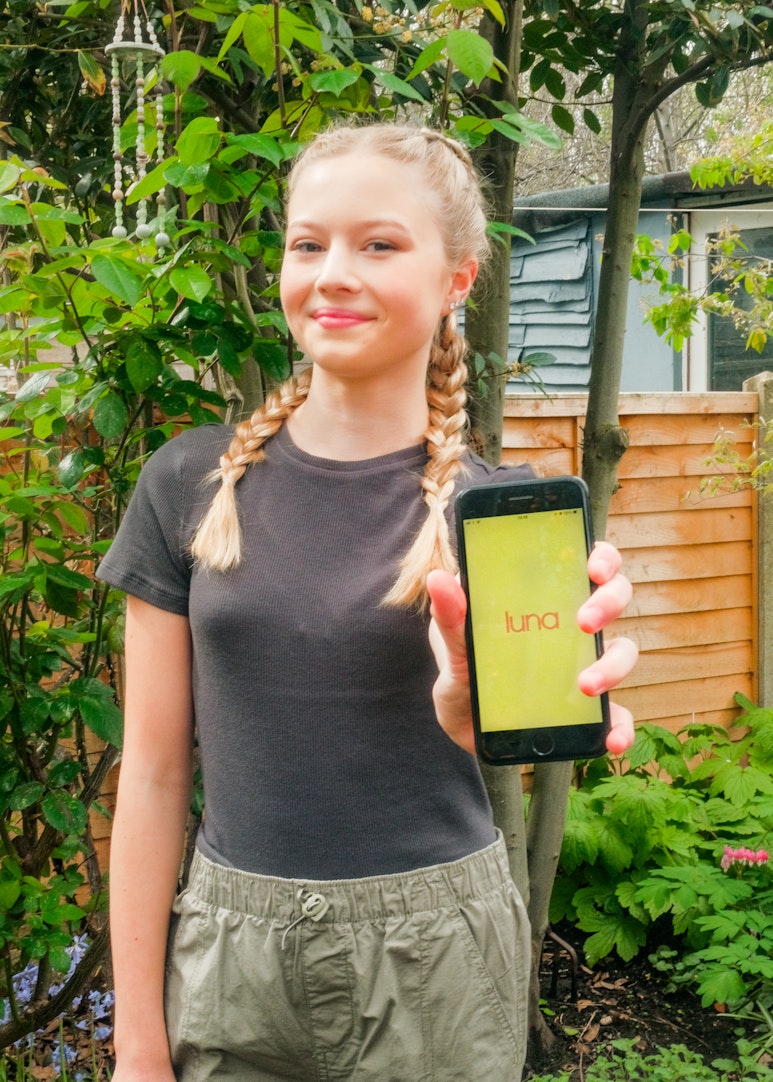
Why is my daughter finding it so hard to make friends at secondary school?
Moving up is one of the biggest changes of her school life, and friendships take time to rebuild when everything around her has shifted at once.
At primary school she probably knew almost everyone.
Secondary can mean hundreds of new faces, a much bigger building, a new timetable and old friends scattered across different classes or even different schools.
It helps to remember that plenty of the other girls are quietly worried about exactly the same thing, even the ones who look effortlessly confident.
A lot has changed for her all at the same time:
- A much larger year group, where she knows far fewer people
- Primary friendships split across new classes, sets, or schools
- Unfamiliar routines, subjects and teachers taking up her energy
- More social pressure to fit in, at an age when belonging can feel like everything
If she's only just moved up, a lot of this is a normal part of supporting your daughter's move to secondary school rather than a sign something is wrong.
Is it normal for my daughter to have no friends yet at secondary school?
Yes, especially in the first term or two.
Settling in often takes longer than we expect, and quieter or slower-to-warm-up girls can need most of the first year to find their group.
She's also far from alone in how she feels.
In 2023/24, the NSPCC's Childline delivered 4,873 counselling sessions that mentioned loneliness, making it one of the top wellbeing concerns children reach out about.
It's usually nothing to worry about yet if she:
- Has the odd person to sit with or chat to, even if not a best friend
- Seems okay in herself the rest of the time
- Is slowly starting to mention one or two names more often
- Still enjoys things at home and outside school
How can I help my daughter make friends without embarrassing her?
Often the most useful thing is to listen and gently open doors, rather than step in and fix it, which can pile on pressure she can feel.
Some things other parents find help:
- Helping her join a club, team or group built around something she likes or a hobby, so friendship can grow around a shared activity
- Quietly rehearsing small openers together, like asking to sit with someone or a question about homework, if she tends to freeze
- Keeping your questions light and specific, like "who did you sit with at lunch?" rather than "did you make any friends today?"
- Resisting the urge to compare her to a sibling, or to how you were at her age
It's worth knowing the effort pays off.
A review of 43 studies found strong, consistent links between the quality of a teenager's friendships and her wellbeing, from her self-esteem to how satisfied she feels with life.
This means that having a couple of good friends matters far more than having a big crowd.
There are lots more practical ways to help your teen make friends once she feels ready, and if social situations tend to trip her up, luna’s guide on helping a socially awkward daughter may ring true.
luna also gives teen girls a space to explore worries like this at their own pace, with content reviewed by medical experts rather than whatever the internet serves up.
If the friendship worry starts spilling into the rest of her life, and lasts for weeks rather than gradually settling, it's worth paying closer attention.
Teenagers are actually more likely than any other age group to experience social anxiety, so avoidance and excuses to skip social situations are worth taking seriously.
It's worth checking in more closely and speaking to school if she:
- Doesn't want to go to school, or feels sick or panicky beforehand
- Has pulled back from things she used to enjoy
- Seems low, tearful or unusually hard on herself for weeks on end
- Says she has no one at all, over a sustained stretch of time
If low mood, worry or withdrawal carries on for several weeks or gets in the way of everyday life, a doctor or school nurse can help you work out what's going on and what support is available.
If getting into school is becoming a daily battle, there's more in this guide on helping with school anxiety and refusal.
FAQs
How long does it take to settle in and make friends at secondary school?
Often a term or two, and some girls take most of the first year.
A slow start rarely means anything is wrong, so try to give her time before reading too much into it.
Should I arrange meet-ups for her like I did when she was little?
At this age, gentle nudges towards clubs, or letting her invite one person over, tend to land better than parent-organised playdates.
Following her lead helps her feel in control of it.
What if my daughter says she doesn't want any friends?
Sometimes that's a way of protecting herself after feeling left out, rather than how she really feels.
It's worth staying warm and curious rather than taking it at face value, and if it comes alongside low mood, mention it to a doctor.
Could this be more than shyness?
It might be social anxiety if she's regularly avoiding social situations, feeling physically anxious about them, or getting really distressed. Look out for other signs of anxiety.
A doctor can help you tell the difference and talk through what might help.
How we created this article:
luna's team of experts comprises GPs, Dermatologists, Safeguarding Leads and Junior Doctors as well as Medical Students with specialised interests in paediatric care, mental health and gynaecology. All articles are created by experts, and reviewed by a member of luna's senior review team.
Sources:
NHS "Anxiety in children" | 04.08.26
https://www.nhs.uk/mental-health/children-and-young-adults/advice-for-parents/anxiety-in-children/YoungMinds "Transitions and times of change" | 04.08.26
https://www.youngminds.org.uk/parent/parents-a-z-mental-health-guide/transitions-and-times-of-change/YoungMinds "Self-esteem" | 04.08.26
https://www.youngminds.org.uk/parent/parents-a-z-mental-health-guide/self-esteem/NSPCC "Helping a child with loneliness" | 04.08.26
https://www.nspcc.org.uk/advice-for-families/how-help-child-feels-lonely/Alsarrani A et al. "Association between friendship quality and subjective wellbeing among adolescents: a systematic review" | 04.08.26
https://link.springer.com/article/10.1186/s12889-022-14776-4We'd love to keep in touch!
Sign up to our parent newsletter for emails on the latest teen trends, insights into our luna community and to keep up to date
By signing up, you are agreeing that we can use your email address to market to you. You can unsubscribe from marketing emails at any time by using the link in our emails. For more information, please review our privacy statement.