What is a Sephora kid and is your daughter one?
The skincare trend explained
Updated July 7, 2026 • Medically reviewed by Dr. Katie Knight
Medically reviewed by Dr. Katie KnightIn this article
- In short
- What is a "Sephora kid"?
- Why is my daughter drawn to these products?
- Could these products actually harm my daughter's skin?
- What should my daughter's skincare routine actually look like?
- Should I be worried about the mental health side of this?
- What if I can’t convince my daughter to use age-appropriate skincare?
- FAQs
In short
A "Sephora kid" is a tween or teen girl spending real money on adult skincare: retinol, anti-ageing serums, exfoliating acids.
The trend is driven by TikTok influencers and #GRWM videos.
Most aren't designed for young skin and can cause irritation, breakouts, and sun sensitivity.
A three-step routine is all her skin actually needs.
What is a "Sephora kid"?
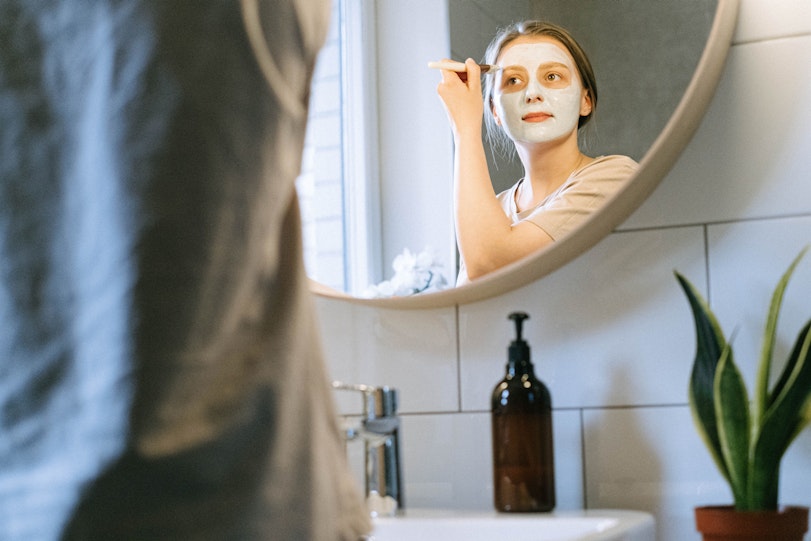
A Sephora kid is typically a girl aged 9 to 14 who has built an elaborate, adult-level skincare routine after following beauty influencers on TikTok and Instagram.
The products involved are usually the same ones marketed to adults: anti-ageing serums, retinol, high-dose Vitamin C, and exfoliating acids.
Brands with colourful packaging and aspirational influencer content have become particular favourites.
Your daughter might be in this category if she:
- Follows beauty influencers and references specific products by name
- Uses products labelled "anti-ageing" or containing active ingredients like retinol or AHAs (alpha hydroxy acids)
- Has a skincare routine with more than three or four steps
- Wants to spend significant amounts on high-end skincare brands
- Is comparing herself to everyone online
Why is my daughter drawn to these products?
This usually isn't about vanity.
Beauty routines have become a form of social currency among teenage girls, and sharing a morning routine video online signals membership of a peer group in a way that feels very real at this age.
Adolescent brains are wired to prioritise peer approval and immediate rewards over longer-term consequences.
However, teens may not yet have the decision-making capacity to weigh up long-term skin health against the social pull of a trending product.
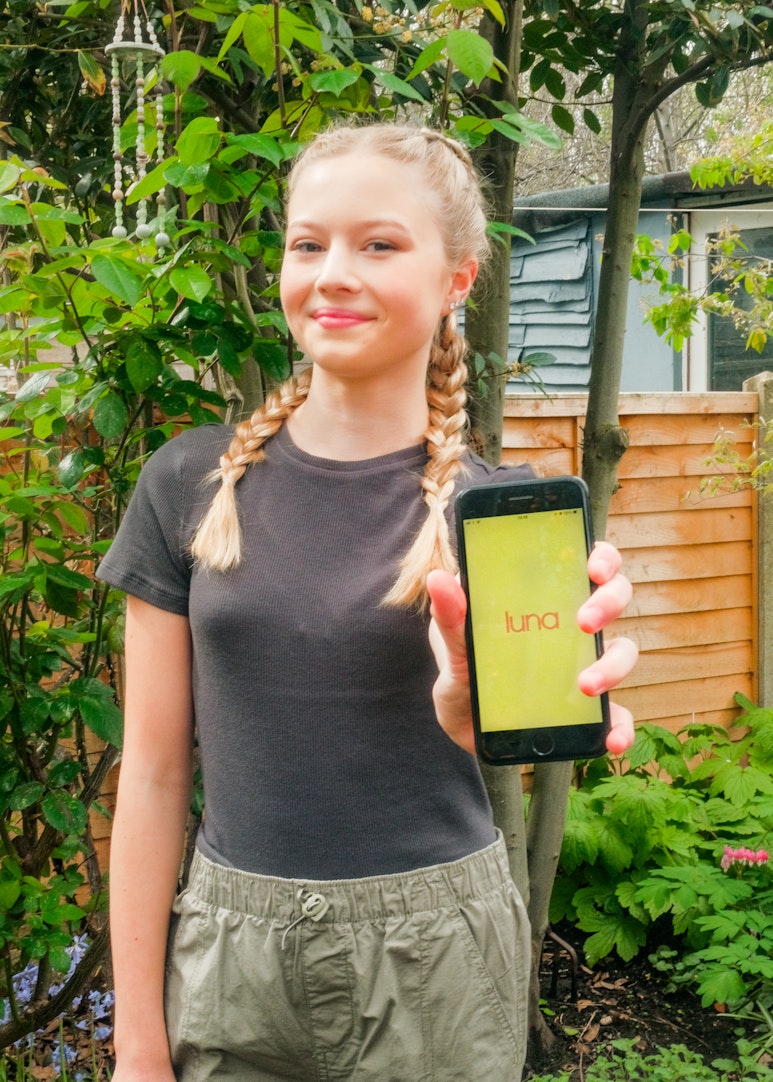
If needed, luna gives teen girls a space to explore skincare and health topics at their own pace, with content reviewed by medical experts rather than influencers or brands.
Could these products actually harm my daughter's skin?
Some of them, yes, and using too much skincare can be harmful.
Retinol is not recommended for teenage skin unless a doctor has prescribed it, for example to treat acne.
It disrupts the skin barrier, causing dryness, redness, and peeling, and in some cases, can actually worsen the acne it's often being used to treat.
For a full breakdown of retinol specifically, should your daughter be using retinol? covers what the evidence says.
However, retinol isn’t the only product to be wary of.
There are other skincare ingredients your daughter should avoid, such as high-strength AHAs and fragrances.
What should my daughter's skincare routine actually look like?
Simple is genuinely right for a teen skincare routine.
Most dermatologists recommend a three-step routine:
- A gentle cleanser, used morning and evening
- A light, unfragranced moisturiser
- SPF 30 or higher every morning
Most teenage skin concerns, including spots and oiliness, are driven by hormones rather than a lack of serums.
If you want to know which trending products are worth anything, navigating TikTok skincare trends breaks it down clearly.
If your daughter has a specific skin concern, such as persistent acne, eczema, or unusual dryness, a doctor is the right person to consult.
Should I be worried about the mental health side of this?
It's worth keeping an eye on.
The concern isn't just the products themselves.
It's what the content is telling your daughter about her face and if her behaviour shows signs of cosmeticorexia.
YoungMinds notes that social media comparison significantly affects teen body image, and skincare culture is part of that picture.
Routines that frame "good skin" as something to achieve, maintain, and show off online can feed appearance-related anxiety over time.
If your daughter's mood is noticeably affected by a bad skin day, or her confidence feels tightly tied to how her skin looks, what to do if your daughter has body image issues has practical guidance on opening those conversations.
The interest in skincare itself isn't the problem.
It's the adult-strength products and the comparison cycle that carry the real risk.
What if I can’t convince my daughter to use age-appropriate skincare?
If your daughter's interest in skincare isn't going anywhere, the goal is to redirect it toward products that actually work for teenage skin.
It may be helpful to explore ways to help her manage acne if you think it's impacting her skincare routines.
luna also gives teen girls a space to explore skin health topics without the commercial noise which might help.
All the content is reviewed by medical experts, and she can ask questions without anyone trying to sell her something.
FAQs
Is it bad that my daughter is really into skincare?
Not inherently.
An interest in skin and self-care is completely normal at this age.
The concern is specifically around adult-strength active ingredients like retinol, AHAs, and high-dose Vitamin C, which aren't appropriate for teenage skin and can cause real damage.
What should I do if my daughter already has a big skincare collection?
You don't need to get rid of it all.
A calm conversation about which products are designed for adult skin and which are fine for teens can help.
If she has retinol or strong acids, suggesting she saves them for later, framed around skin health rather than rules, often lands better than a hard no.
My daughter is spending a lot of money on skincare. What can I do?
Setting clear limits around what you're willing to fund is reasonable.
Explaining that many of these products are formulated and tested on adult skin, not teenage skin, gives her a factual reason.
Some parents find it helps to agree on a short approved list together.
At what age can my daughter use retinol?
Most dermatologists don't recommend over-the-counter retinol until the mid-20s for general use.
If a doctor recommends a retinoid for a specific condition like severe acne, that's a different situation from a trend-driven serum bought from a beauty retailer.
How do I bring this up without her shutting down?
Leading with curiosity rather than concern tends to work better.
Asking what she likes about her routine and what she hopes it will do for her skin is more likely to open a conversation than starting with what she's doing wrong.
How we created this article:
luna's team of experts comprises GPs, Dermatologists, Safeguarding Leads and Junior Doctors as well as Medical Students with specialised interests in paediatric care, mental health and gynaecology. All articles are created by experts, and reviewed by a member of luna's senior review team.
Sources:
NHS "How to look after teenage skin" | Accessed 29.06.26
https://derbyshireteenhealth.nhs.uk/your-body/skinParikh AK et al. "Glow or no-go: ethical considerations of adolescent and teen skincare trends in social media" | Accessed 29.06.26
https://pmc.ncbi.nlm.nih.gov/articles/PMC11345696/YoungMinds "Body image" | Accessed 29.06.26
https://www.youngminds.org.uk/young-person/coping-with-life/body-image/We'd love to keep in touch!
Sign up to our parent newsletter for emails on the latest teen trends, insights into our luna community and to keep up to date
By signing up, you are agreeing that we can use your email address to market to you. You can unsubscribe from marketing emails at any time by using the link in our emails. For more information, please review our privacy statement.