Is there really lead in tampons?
Here’s what parents need to know
Updated July 25, 2025 • Medically reviewed by Dr. Katie Malbon
Medically reviewed by Dr. Katie MalbonIn this article
Quick summary
- Yes, tampons have a slight presence of lead in them
- However, tampon safety regulations in the UK and Europe are strict, and levels of lead found are very low, so it is not harmful
- Parents can ensure safety by choosing trusted brands, researching products, and considering alternative period products like pads, menstrual cups, or period underwear if they have concerns

A recent study by UC Berkeley has flagged the presence of lead and other heavy metals in tampons, and luna’s sure by now lots of you will have seen this circulated on social media or may be worried that your teen has seen this on social media.
So, in case this has been worrying you or you have questions, luna’s here with an overview of the study which will hopefully reassure you.
What did this study tell us about lead in tampons?
- Lead: it’s present in all tampons tested – other metals were also present at lower concentrations
- Organic vs. non-organic tampons: organic tampons (100% cotton) sometimes had more of certain metals like arsenic. Non-organic tampons, which can be made with materials like rayon (a type of fabric) or a mix of materials, had different amounts of metals
- EU/UK vs US: tampons from the EU/UK were found to have lower lead levels compared to those from the US, suggesting a lower risk of exposure
What’s the harm of lead in tampons?
Metals like lead can be toxic even in small amounts. Here’s how…
- The moist lining inside the vagina can absorb chemicals directly into the bloodstream – this means they skip the liver, which usually helps to filter out toxins
- Lead exposure can cause serious health problems, especially affecting your brain and nervous system
⚠️ But please don’t panic ⚠️
Tampons sold in the United Kingdom and Europe must follow strict safety rules.
The amount of lead in tampons is very low, and the official organisations that check safety regularly test products to make sure they are safe.
What can you do about lead in tampons, as a parent?
It's always good to be aware of the products you choose to buy for your teen. Here are some tips for choosing the best period products for tweens and teens:
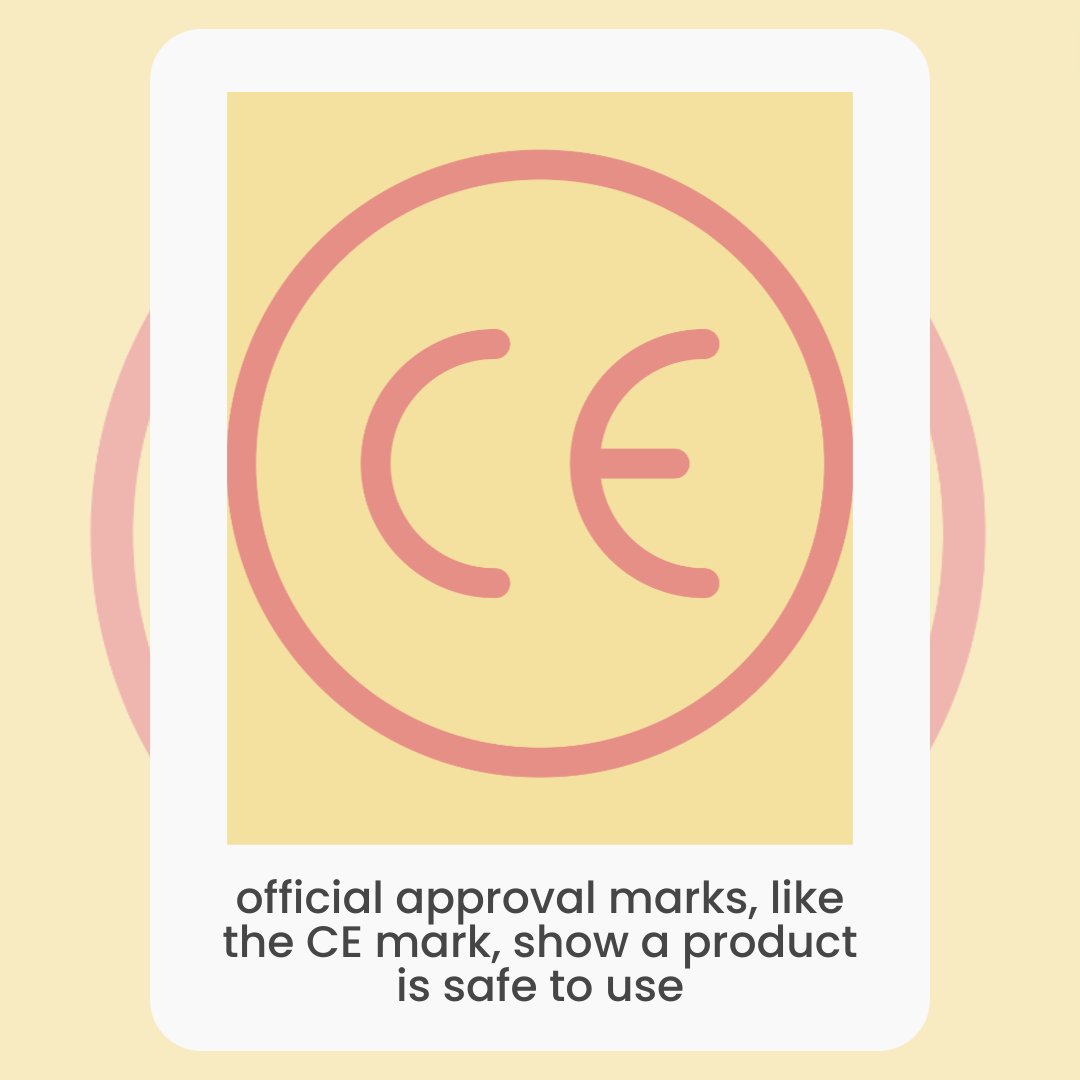
- Look for trusted brands: stick to well-known brands that follow strict testing and safety standards – look for official approval marks (certifications) that show the product is safe, like the CE mark
- Do your research: reading reviews and doing a bit of research can help you feel more confident about your choices
- Alternatives to tampons: if you’re still worried about your teen using tampons after hearing this news, there are many other options like period pads, menstrual cups, and period pants or period swimwear (if they want to swim) – if your teen is just starting their period journey, you might also want to check out what to pack in a first period kit
Whilst yes it’s a bit worrying to think that tampons could have harmful metals like lead, there’s really no need to panic or stop your teen from using tampons.
luna's got a whole guide on whether tampons are dangerous to teens if you need more reassurance, as well as some pros and cons of tampons if you'd like a balanced overview.
Being aware of any risks is the first step to helping your teen make informed decisions about their menstrual health; and to some extent everything we do in life e.g. the foods we eat will come with risks.
Remember, it’s okay to look for products that make you and your teen feel comfortable and safe, and your teen absolutely can continue using tampons as they’re still considered safe – luna’s just here to give you the facts if you’ve seen worrying things circulating on social media.
How we created this article:
luna's team of experts comprises GPs, Dermatologists, Safeguarding Leads and Junior Doctors as well as Medical Students with specialised interests in paediatric care, mental health and gynaecology. All articles are created by experts, and reviewed by a member of luna's senior review team.
Sources:
UC Berkeley "First study to measure toxic metals in tampons shows arsenic and lead, among other contaminants" | Accessed 14.05.25
https://publichealth.berkeley.edu/news-media/research-highlights/first-study-to-measure-toxic-metals-in-tampons-shows-arsenic-and-leadWe'd love to keep in touch!
Sign up to our parent newsletter for emails on the latest teen trends, insights into our luna community and to keep up to date
By signing up, you are agreeing that we can use your email address to market to you. You can unsubscribe from marketing emails at any time by using the link in our emails. For more information, please review our privacy statement.