How to talk to your daughter about puberty
Start early, start small

Updated February 4, 2026 • Medically reviewed by Dr. Emma Dickie
Medically reviewed by Dr. Emma DickieIn this article
Quick summary
- Start puberty conversations earlier than you think – most girls enter early puberty between 8-13, so gentle, ongoing chats help them feel prepared
- Look for natural openings (shopping, TV ads, body changes) and focus on reassurance, choice, and normalising the huge range of puberty timelines
- Give your daughter safe, private support through luna – a teen-friendly app where she can learn about puberty, track her cycle, and ask experts anonymous questions
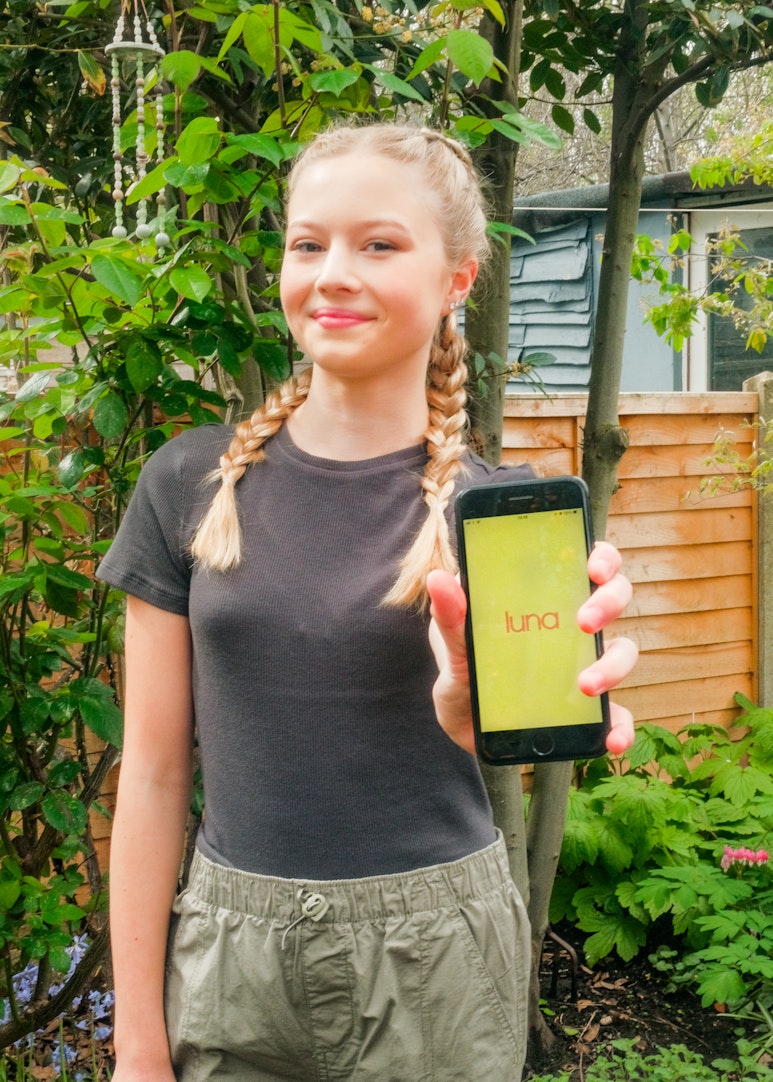
Puberty can feel like one of the biggest unknowns for girls – and for parents too.
Whether you’re preparing for the first chat, or trying to keep up with your daughter’s questions, it’s normal to worry about saying the wrong thing or making things awkward.
The good news? You don’t need one perfect “big talk.”
What helps most is lots of small conversations, started early, delivered gently, and grounded in reassurance.
This guide will help you talk to your daughter about puberty in a way that’s age-appropriate, confidence-boosting, and genuinely supportive.
When should you talk to your daughter about puberty?
Parents often want a precise age, but in reality, the timing depends more on her cues than her birthday.
That said, a few guiding principles help:
- Most girls start puberty between 8-13, so aim to start light conversations by age 7 or 8
- Breast buds usually appear first, followed by body hair and growth spurts – conversations can deepen naturally as these changes begin
- If she’s already asking questions – about bras, periods, hair, smells, discharge – that’s your sign she’s ready to know more
- And if she isn’t asking know that that’s normal too – you can open the door gently in that case
You might also find that school education is inconsistent – in a recent luna poll, nearly 3 in 4 teen girls said their school’s period or puberty education felt lacking.
That’s why hearing it from you (in small, easy conversations) matters so much.
How to start the conversation (without it feeling awkward)
Many parents worry it will be embarrassing, and girls often tell us in the luna app that they feel the same.
So aim for a tone that’s warm, relaxed, and matter-of-fact.
Try beginning:
- While shopping and walking past period products
- After a TV advert mentions periods
- When she tries on new underwear or swimwear
- After a friend or older sibling mentions puberty
- On a car ride or walk - where eye contact is optional
- When she comments on body changes or habits (skin, smells, mood, discharge)
Small openings like these help make puberty feel normal rather than a “big serious thing.”
You could start with:
- “You might start noticing some changes in your body soon, have you had any questions?”
- “Everyone goes through puberty at different times. I’m here for anything you want to know.”
- “Some of your friends might be starting puberty earlier or later - that’s all normal.”
These gentle cues tell her she doesn’t need to be embarrassed, and that she can come to you at her own pace.
What to explain (at different stages)
You don’t need to cover everything at once – think of puberty like a drip-feed of info, adding more detail as she grows.
You can learn more about the puberty stages in teen girls here.
Early stage (ages 7-9)
Focus on:
- What puberty is: the body getting ready to grow up
- What a period is
- That everyone grows at different times
- Breast buds
- Body odour
- Early discharge
- Hair changes
- Mood changes
Keep it simple, upbeat, and normalising.
Middle stage (ages 9-12)
Add in:
- The timeline of changes
- Periods in more detail: what they are, what they look like, and what to expect
- How to manage periods at school
- Basic hygiene: showering, deodorant, skincare
- Bra fittings and comfort
- Body confidence
This is also often when many girls start searching online because they have a few "embarrassing" questions, so giving them safe, trusted info matters.
This is where luna becomes invaluable: teen-friendly videos, articles, quizzes, period and mood tracking tracking, and the ability to ask anonymous questions and get an expert answer.
Later stage (ages 12-14)
Cover:
- The menstrual cycle phases
- Period pain management
- Emotional regulation
- Changing friendships
- Body shape changes
- Spotting, discharge & what’s normal
- Privacy and boundaries
At this age, many girls prefer learning privately, and luna gives them a safe space to explore topics without shame or misinformation.
How to keep the conversation safe, positive and shame-free
Puberty can be a vulnerable time, especially as girls compare themselves to friends or social media.
Here are ways to make everything feel safe:
Normalise differences
Puberty doesn’t follow a script. Some girls mature earlier, some later.
Reassure her that every timeline is normal.
Avoid comments about weight or body shape
Whether about yourself or her and unless she brings these concerns to you or you think she may be worrying about them.
Focus on health and comfort instead!
It's super normal to gain weight during the teen years.
If body image becomes a worry, your guides on body image and confidence may help.
Don’t force big formal talks
Let conversations be ongoing, informal, and optional.
Encourage questions, but don’t insist on them
Some girls like privacy.
luna’s anonymous Q&A feature means she can get medically approved answers, which removes embarrassment but keeps her safe from unreliable content on TikTok or Google.
Use clear language
Words like “vagina,” “vulva,” and “discharge” should be normal, not taboo.
It sets her up to understand her body confidently later.
Reassuring her about periods
Periods are one of the biggest puberty worries for girls.
In a luna poll, over half got their first period at age 11 or 12, and many said they felt “unprepared” for it.
Talk openly about:
- What a first period might look like
- That cycles are irregular at first
- What to keep in her period kit
- Period product options
- What’s normal vs. when to get help
You can also show her luna’s period tracker – designed specifically for tweens and teens, not adults trying to conceive – so she can learn privately and feel in control, and for any questions or topics you aren't sure about.
How luna can support your daughter through puberty
Many girls find talking about puberty overwhelming or embarrassing, even with a parent they trust.
That’s why luna exists.
It’s a safe, expert-reviewed, teen-designed app where girls can:
- Track periods, moods, and symptoms
- Learn about puberty changes through videos, quizzes and articles
- Get anonymous, medically checked answers to any question
- Build healthy habits early
- Feel supported without shame
For parents, it gives peace of mind knowing that she’s learning from safe, trustworthy experts – not TikTok, Google, forums or friends who might not know the facts.
Talking about puberty doesn’t need to feel awkward, and it doesn’t need to happen in one perfect moment.
Start early, start small, and keep conversations positive and shame-free.
In between chats, let her explore, learn and ask questions safely through luna, so she has support both at home and privately.
How we created this article:
luna's team of experts comprises GPs, Dermatologists, Safeguarding Leads and Junior Doctors as well as Medical Students with specialised interests in paediatric care, mental health and gynaecology. All articles are created by experts, and reviewed by a member of luna's senior review team.
Sources:
NHS “Early or delayed puberty” | Accessed 03.12.25
https://www.nhs.uk/conditions/early-or-delayed-puberty/NHS “Starting periods” | Accessed 03.12.25
https://www.nhs.uk/conditions/periods/starting-periods/We'd love to keep in touch!
Sign up to our parent newsletter for emails on the latest teen trends, insights into our luna community and to keep up to date
By signing up, you are agreeing that we can use your email address to market to you. You can unsubscribe from marketing emails at any time by using the link in our emails. For more information, please review our privacy statement.