When will my daughter's next period be?
How to predict my daughter’s next period?
Updated January 28, 2026 • Medically reviewed by Dr. Emma Dickie
Medically reviewed by Dr. Emma DickieIn this article
When will my daughter's next period be?
In the first 1-2 years after a teen’s first period, it's hard to predict when the next one will come because cycles are often irregular.
Periods may arrive earlier or later each month, or sometimes be skipped.
Over time, most teens develop a more regular pattern, and tracking periods can help give better estimates.
After a first period, the body needs time to settle into a rhythm. This can make timing unpredictable at first.
Understanding that this is normal can help teens feel less worried and more prepared.
Tracking period dates in the luna app and noticing early symptoms can also make it easier to guess when the next period might start.
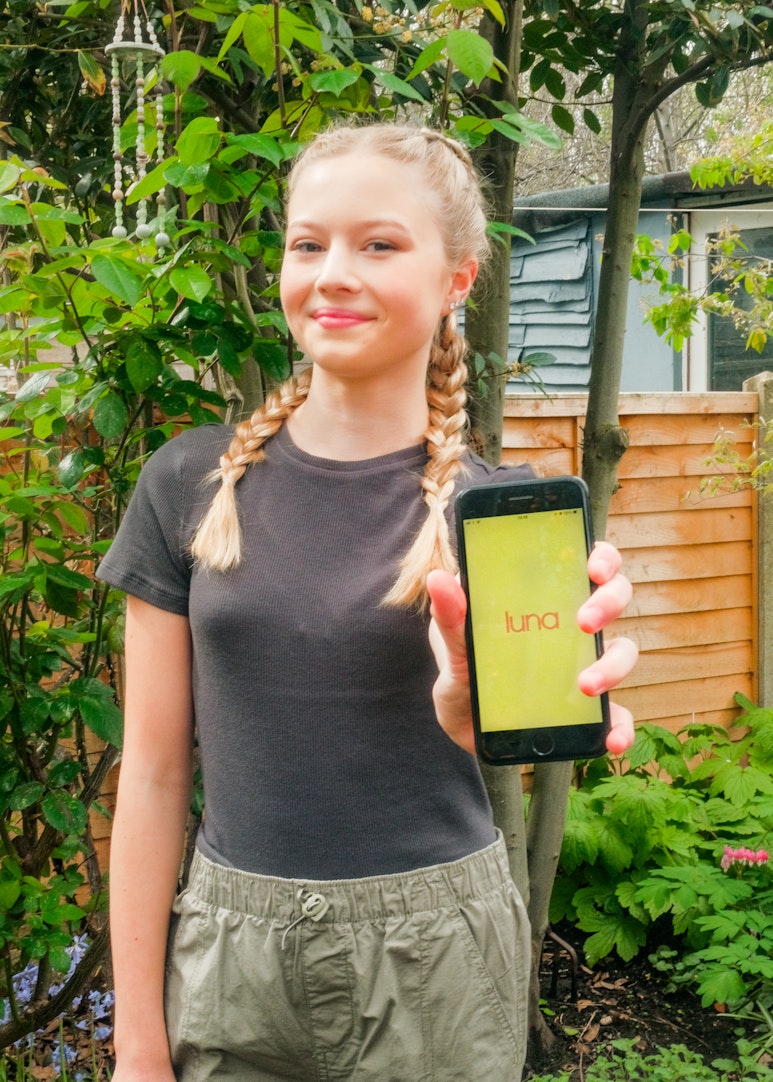
There’s often a lot of emphasis on preparing for a first period, but we hear less about what happens afterward, as teens begin to settle into their menstrual cycles.
As a result, many teens ask us through our app, luna, about when their next period will arrive – confused about how to track their cycle, and what to do to manage it.
So, if your teen is coming to you with the same question, we want to offer some clarity to help you support them.
Is it normal for my daughter to have irregular periods?
Yes. It's very common for periods to be irregular during the first 1-2 years after they begin because hormones are still settling. Cycles usually become more regular with time.
This means:
- Periods may come earlier or later each month
- Cycle lengths can change from month to month
- Some months may be skipped
For most teens, this regulates naturally within about two years.
Irregular periods during this time are usually a normal part of development, not usually a sign that something is wrong.
Reassurance is important so teens don't feel anxious about changes they can't yet control.
How can I help my daughter prepare for an irregular period?
You can help your teen prepare by explaining that irregular cycles are normal, encouraging period tracking, and helping them plan for unexpected starts.
This reduces stress and helps them feel more in control.
It can help to talk openly about how unpredictable early cycles can be. Knowing this in advance can prevent surprise or embarrassment.
Encouraging your teen to track their period can still be useful, even if it is not regular yet. Tracking allows them to:
- Keep track of when they get their periods
- Notice symptoms like mood changes, skin changes, or tiredness
- Learn what feels normal for their body
Over time, a tracker can use this information to estimate when the next period might come, and predictions usually improve as cycles become more regular.
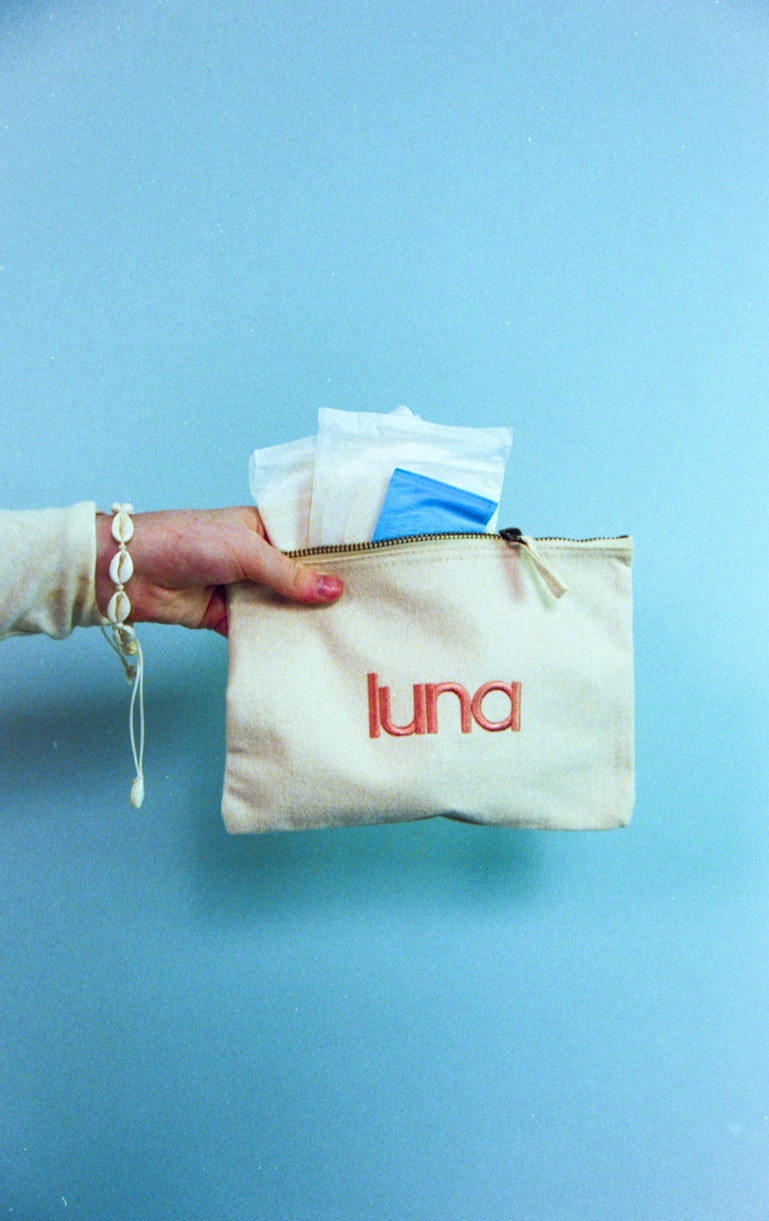
Preparing for surprises is also helpful. A simple period kit can include:
- Pads, tampons, or period underwear
- Spare underwear
- Wipes or small disposal bags
In the days when a period might arrive, wearing a panty liner can provide extra reassurance. Liners are light and can catch very small amounts of bleeding.
Just remind your teen to change liners every 4–6 hours for comfort and hygiene.
Signs my daughter is about to start her second period
Many teens notice physical or emotional changes before their period begins, even if their cycle is irregular, which can help with tracking an irregular period.
These signs can appear days or weeks before bleeding starts and can help them feel more prepared.
Common signs include:
- Fatigue: feeling more tired than usual
- Spots and oily skin: skin may get a bit oilier or break out
- Greasy hair: hair may feel a bit greasier
- Mood swings: feeling extra emotional can be a sign
- Bloating: stomach may feel rounder or heavier, causing a reduced appetite
- Cravings: suddenly wanting chocolate or being hungrier than usual
- Breast tenderness: breasts may feel/look bigger or feel sore
- Cramping: this can come a day or two before a period
Most people experience at least some of these signs in the week or sometimes two weeks leading up to their period.
Learning to recognise personal patterns can make unpredictable periods feel less stressful, making planning for an unexpected period easier.
Tracking these signs alongside period dates can help your teen understand what is happening in their body.
How can I support my daughter with irregular periods?
You can support your daughter by offering reassurance, helping her track her cycle, and encouraging her to notice early symptoms.
Emotional support and practical planning can make irregular periods feel easier to manage.
Irregular periods can be confusing and frustrating for teens. They may worry that something is wrong or feel embarrassed when bleeding starts unexpectedly.
Calm reassurance can help them understand that this phase is normal and temporary.
Support can include:
- Talking openly about periods without shame
- Helping them track cycles and symptoms by setting them up on luna – the best period tracker app for teen girls
- Making sure they have period products available
- Normalising mood and energy changes
Over time, as their cycle becomes more regular, predicting and managing periods usually becomes much easier.
Feeling supported during this stage can help teens build confidence and trust in their bodies.
FAQs
How do I know if my daughter will get her period soon?
In the first year or two, it’s hard to predict exactly. Watching for early signs like tiredness, bloating, mood changes and skin changes can help give a rough idea.
Tracking periods and symptoms in luna can make these patterns easier to spot over time.
What are the symptoms before a girl’s period?
Common signs include tiredness, mood swings, bloating, breast tenderness and skin changes.
Not everyone gets the same signs, which is why tracking in luna can help teens learn what’s normal for them.
How we created this article:
luna's team of experts comprises GPs, Dermatologists, Safeguarding Leads and Junior Doctors as well as Medical Students with specialised interests in paediatric care, mental health and gynaecology. All articles are created by experts, and reviewed by a member of luna's senior review team.
Sources:
NHS “Periods” | Accessed 28.01.26
https://www.nhs.uk/conditions/periods/NHS “PMS (premenstrual syndrome)” | Accessed 28.01.26
https://www.nhs.uk/conditions/pre-menstrual-syndrome/Kids Health “Irregular periods” | Accessed 28.01.26
https://kidshealth.org/en/teens/irregular-periods.htmlNHS “Irregular periods” | Accessed 28.01.26
https://www.nhs.uk/conditions/irregular-periods/We'd love to keep in touch!
Sign up to our parent newsletter for emails on the latest teen trends, insights into our luna community and to keep up to date
By signing up, you are agreeing that we can use your email address to market to you. You can unsubscribe from marketing emails at any time by using the link in our emails. For more information, please review our privacy statement.