Your daughter started the pill without telling you: should you worry?
Why it happens and what to do next

Updated August 11, 2026
In this article
In short
Finding out your daughter started the pill without telling you can feel like a punch to the gut.
In the UK, girls under 16 can be prescribed contraception confidentially if a health professional judges they understand the decision.
The pill is also often prescribed for heavy periods, acne or PMS, so it does not always mean she is having sex.
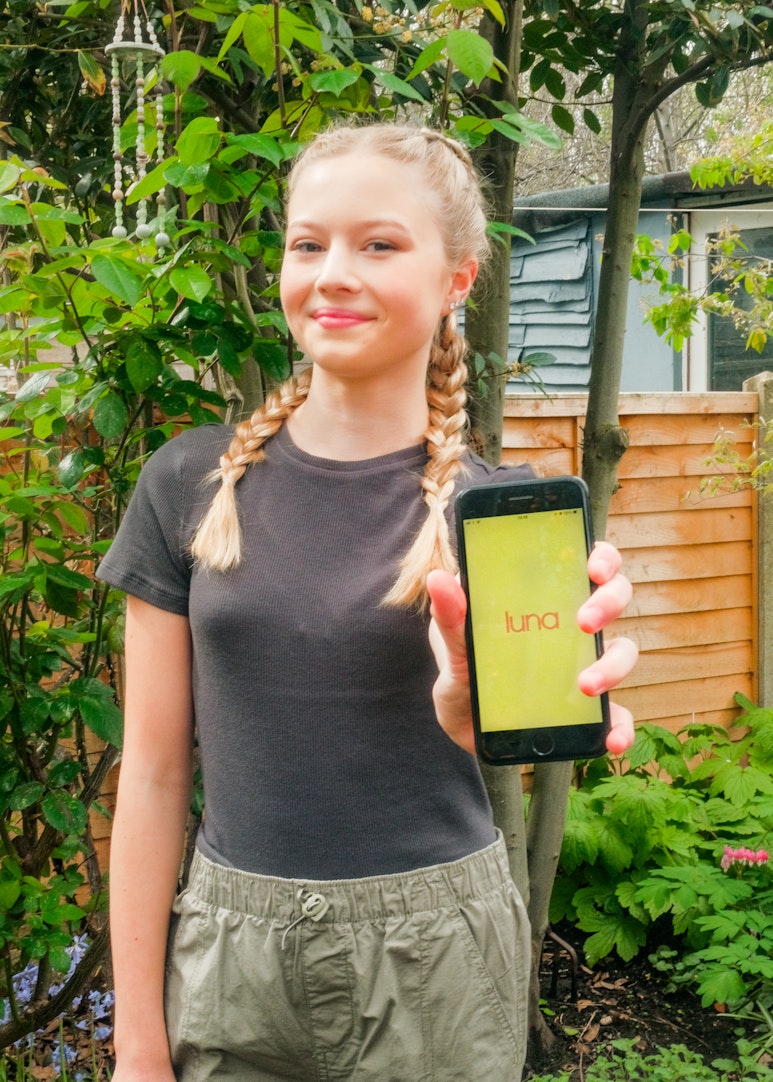
Why might my daughter have gone on the pill without telling me?
The pill is not only about contraception, and that is worth holding onto before you jump to conclusions.
Doctors prescribe it for a whole range of reasons that have nothing to do with sex.
The combined pill contains two hormones, oestrogen and progestogen, and the NHS says it is prescribed to help with several everyday teen health issues, including:
- Heavy or painful periods
- Acne
- Premenstrual syndrome (PMS)
- Endometriosis, a condition where tissue similar to the womb lining grows elsewhere
So your daughter may have gone to the doctor about something like period pain relief and come away with the pill as a treatment. Many girls do.
She may also have wanted contraception and felt too awkward or worried to raise it with you.
That is incredibly common, and it usually says more about her age and privacy than about your relationship.
If skin was the trigger, it is worth knowing the pill is sometimes used to help with hormonal acne in teens when other treatments have not worked.
Can my daughter get the pill without my permission?
Yes. In the UK, contraception is free and confidential, including for young people under the age of 16.
For girls under 16, a doctor, nurse or pharmacist can prescribe the pill without telling you, but only if they are satisfied she is mature enough to understand the decision.
This is assessed using something called the Fraser guidelines.
Under the Fraser guidelines, the health professional has to be confident that:
- She understands the advice she is being given
- She cannot be persuaded to tell her parents, or to let the professional tell them
- Her physical or mental health would likely suffer without the advice or treatment
- It is in her best interests to be given it
- She is very likely to continue having sex with or without contraception
Once your daughter turns 16, she is usually treated as an adult by the NHS, which means she can consent to treatment herself and her medical information stays private.
It can sting to know a professional had this conversation with her and not you.
It can help to reframe it: the fact she was prescribed the pill means someone qualified judged that she understood what she was doing.
Will the doctor tell me my daughter is on the pill?
Not usually. Health professionals treat these appointments as confidential, even when your daughter is under 16.
The one exception is safeguarding.
The NHS is clear that a doctor, nurse or pharmacist will not tell anyone, including a parent, unless they believe your daughter or someone else is at risk of harm.
In that situation, they would usually talk to her about it first.
Professionals will always encourage a young person to talk to a parent, but they cannot force it.
Is the pill safe for my daughter at her age?
For most healthy teenagers, the pill is considered safe, and a doctor checks for certain risk factors before prescribing it. Serious problems are rare.
Some side effects are common in the first few months and tend to settle:
- Breakthrough bleeding or changes to her periods
- Headaches, nausea or breast tenderness
It is worth knowing that the NHS says there is no evidence the pill causes weight gain or changes sex drive, despite what she may have read online.
The more serious risks are rare.
The risk of a blood clot affects up to 1 in 1,000 people using combined hormonal contraception.
The pill also slightly raises the risk of breast and cervical cancer, though this returns to normal within 10 years of stopping, and it actually lowers the risk of womb, ovarian and bowel cancer.
One thing the pill does not do is protect against sexually transmitted infections, so condoms still matter if she is sexually active.
How do I talk to my daughter about it?
Gently, and ideally not in the first rush of shock.
Leading with anger tends to close the conversation down, and staying calm makes it far more likely she will come back to you next time.
You might start by getting curious rather than cross.
Asking what made her want to go on the pill, and how she is finding it, tells you far more than asking why she kept it from you.
It can also help to separate the two things you are feeling: worry about her health, and hurt that she did not tell you.
Some parents find it useful to name the hurt honestly but briefly, then move on to the practical side.
If it turns out she is in a relationship, luna’s guide on talking to your teen about sex has some useful ways in.
And if the secrecy is what stings most, you are not alone: plenty of parents go through times when they feel like they’ve stopped talking to their teenage daughter, and there are things you can do to resolve it.
FAQs
At what age can my daughter get the pill?
There is no fixed age. Under 16, she can be prescribed it if a health professional judges she understands the decision, using the Fraser guidelines.
From 16, she is usually treated as an adult by the NHS and can consent herself.
Does being on the pill mean my daughter is having sex?
Not necessarily. The pill is also prescribed for heavy or painful periods, acne, PMS and endometriosis, so plenty of girls take it for reasons that have nothing to do with sex.
Should I worry about the health risks?
For most healthy teens, serious risks are rare, and a doctor checks for risk factors first.
The chance of a blood clot is up to 1 in 1,000, and common early side effects like breakthrough bleeding usually settle within a few months.
Can I ask her doctor to take her off the pill?
If your daughter has been assessed as able to consent, the decision sits with her, not you.
You can share your concerns with her, and she can go back to her doctor to discuss any worries or side effects at any time.
Finding this out can knock you sideways, but it does not have to be the thing that pushes you apart.
In most cases, it is a sign your daughter is trying to look after herself, even if she went about it in a way that hurt.
If you have questions about her health specifically, her doctor or a local sexual health service is the best place to go.
And luna is here for her too, as a judgement-free space to understand her body and her choices, with everything reviewed by medical experts.
How we created this article:
luna's team of experts comprises GPs, Dermatologists, Safeguarding Leads and Junior Doctors as well as Medical Students with specialised interests in paediatric care, mental health and gynaecology. All articles are created by experts, and reviewed by a member of luna's senior review team.
Sources:
NHS "Where to get contraception" | 11.08.26
https://www.nhs.uk/contraception/where-to-get-contraception/NHS "Confidentiality at sexual health services" | 11.08.26
https://www.nhs.uk/live-well/sexual-health/confidentiality-at-sexual-health-services/NSPCC "Gillick competence and Fraser guidelines" | 11.08.26
https://learning.nspcc.org.uk/child-protection-system/child-competency-guidanceNHS "What is the combined pill?" | 11.08.26
https://www.nhs.uk/contraception/methods-of-contraception/combined-pill/what-is-it/NHS "Side effects and risks of the combined pill" | 11.08.26
https://www.nhs.uk/contraception/methods-of-contraception/combined-pill/side-effects/We'd love to keep in touch!
Sign up to our parent newsletter for emails on the latest teen trends, insights into our luna community and to keep up to date
By signing up, you are agreeing that we can use your email address to market to you. You can unsubscribe from marketing emails at any time by using the link in our emails. For more information, please review our privacy statement.