Is the pill safe for your daughter?
What the pill does, and if it's safe
Updated August 11, 2026
In this article
- In short
- Why has the doctor suggested the pill for my daughter?
- Can the pill really help my daughter's periods?
- Will the pill help my daughter's acne?
- What if the pill is for contraception, and does my daughter need my consent?
- Is the pill safe for my daughter, and what are the side effects?
- What should I ask my daughter's doctor?
- FAQs
In short
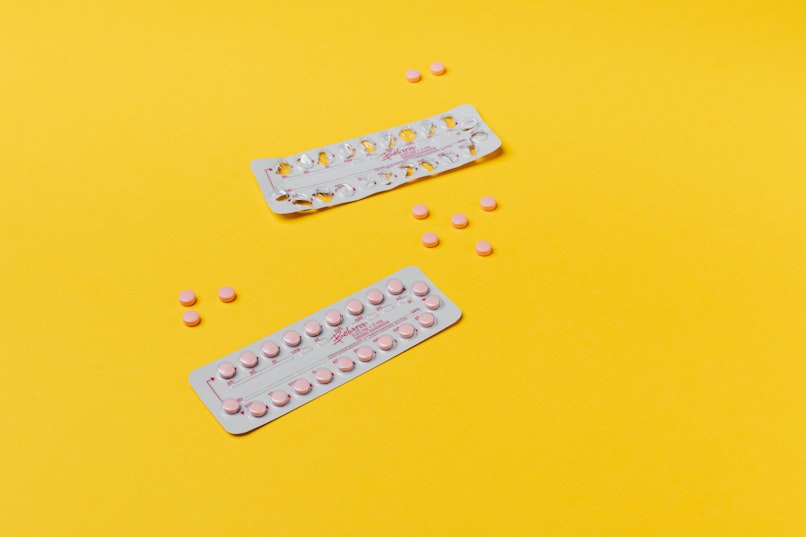
If the doctor has suggested the pill, it's usually for one of three reasons: heavy or painful periods, stubborn acne, or contraception.
It's often the same combined pill used for different aims. It can make periods lighter and more regular, and improve acne over time.
A doctor will always check it's safe for your daughter first.
Why has the doctor suggested the pill for my daughter?
Hearing "the pill" can catch you off guard, especially if your first thought jumps to contraception when the appointment was about painful periods or spots.
Doctors suggest the combined pill to teenagers for three main reasons: to manage heavy or painful periods, to help treat acne, and as contraception.
Often it's the exact same pill, just prescribed with a different goal in mind.
The combined pill contains two hormones, oestrogen and progestogen, and works by keeping hormone levels steady across the month.
That steadiness is what can settle periods and skin, as well as prevent pregnancy.
So if the doctor raised the pill for your daughter's cramps or acne, it doesn't automatically mean anything else is going on.
It's one of the most common tools they reach for.
Can the pill really help my daughter's periods?
Yes. The NHS lists the combined pill as one of the main treatments for heavy periods, and it typically makes periods lighter, more regular and less painful.
For a lot of girls, that's life-changing.
Heavy or painful periods can mean missed school, ruined plans and real anxiety every month.
The combined pill can help with periods that are:
- Heavy, meaning she soaks through a pad or tampon every hour or two, or passes large clots
- Very painful, to the point that ordinary painkillers aren't touching it
- Irregular or unpredictable
- Linked to premenstrual syndrome (PMS)
It's worth knowing the pill isn't the only option.
A doctor might also mention an intrauterine system (IUS), tranexamic acid to reduce bleeding, or stronger anti-inflammatory painkillers.
If her periods are soaking through protection or stopping her doing normal things, it's worth reading the signs of a heavy menstrual period in teens so you know what to flag with the doctor.
Will the pill help my daughter's acne?
It can. According to the NHS, the combined pill "can often help improve acne in women", though it may take up to a year before the full benefits are seen.
That timeline surprises a lot of parents.
This isn't a quick fix, so if her skin doesn't clear in a month, that's expected rather than a sign it isn't working.
The pill usually comes into the conversation when creams and other treatments haven't done enough on their own.
Guidelines from NICE suggest that if a girl wants hormonal contraception and is also treating acne, the combined pill is preferred over the progestogen-only "mini pill".
For the fuller picture on what's driving breakouts and the other treatments a doctor might try first, luna has a guide to your daughter's hormonal acne.
What if the pill is for contraception, and does my daughter need my consent?
This is often the part that feels hardest. If contraception is the reason, or one of the reasons, a few facts can help you feel steadier.
The combined pill is over 99% effective at preventing pregnancy when taken correctly.
It does not, however, protect against sexually transmitted infections, so condoms still matter.
On consent, here's what the law actually says.
A young person under 16 can be prescribed contraception without a parent's consent if the doctor judges she fully understands the decision.
This comes from what are known as the Fraser guidelines, and the doctor has to be satisfied that:
- She understands the advice she's being given
- She can't be persuaded to tell her parents, or to let the doctor tell them
- Her physical or mental health may suffer without it
- It's in her best interests to receive it
Doctors will usually encourage a young person to involve a parent. The appointment stays confidential either way, unless they believe she's at genuine risk of harm.
If the idea of these conversations feels daunting, luna's guide to talking to your teen about sex can help you find a way in that doesn't feel like an interrogation.
luna also gives teen girls a space to explore periods, skin and growing-up questions at their own pace, with answers reviewed by medical experts rather than picked up from social media.
Is the pill safe for my daughter, and what are the side effects?
For most healthy teenagers, the combined pill is considered safe, and doctors prescribe it to this age group all the time.
There are some situations where it isn't recommended.
A doctor will check before prescribing, but it may not be suitable if your daughter:
- Gets migraines with aura (warning signs like flashing lights)
- Has a close family member who had a blood clot before the age of 45
- Has certain heart conditions or high blood pressure
The most talked-about risk is blood clots.
It's worth keeping in proportion: the risk of a blood clot is very small and affects up to 1 in 1,000 people using combined hormonal contraception like the pill.
Some girls notice headaches, nausea, breast tenderness or breakthrough bleeding in the first few months, and these often settle.
If the combined pill isn't right for her, the progestogen-only pill is an alternative.
It affects periods differently, sometimes making them lighter or stopping them, and sometimes causing spotting.
What should I ask my daughter's doctor?
Going in with a few questions can make a rushed appointment feel more useful.
You might ask:
- Why this particular pill, and what's the main aim
- How long before we'd expect to see a difference
- What side effects to look out for in the first few months
- What to do if a pill is missed
- When to come back and review how it's going
FAQs
Can my daughter get the pill without me knowing if she's under 16?
She can, if the doctor is satisfied she understands the decision, under the Fraser guidelines.
In practice, doctors encourage young people to talk to a parent, and the appointment is confidential unless they think she's at risk of harm.
How long does the pill take to help acne?
Longer than most people expect.
The NHS says the combined pill can improve acne but may take up to a year to show its full effect, so it isn't a quick fix.
Does the pill protect against sexually transmitted infections?
No. The combined pill only prevents pregnancy.
If contraception is the reason she's taking it, condoms are still needed to protect against sexually transmitted infections.
Are there non-pill options for heavy or painful periods?
Yes. A doctor might suggest an intrauterine system (IUS), tranexamic acid to reduce bleeding, or prescription anti-inflammatory painkillers.
It's worth asking what fits your daughter best.
Will it make her gain weight?
There's no evidence that the pill causes weight gain. If she does notice changes that bother her, it's worth going back to the doctor to talk them through.
How we created this article:
luna's team of experts comprises GPs, Dermatologists, Safeguarding Leads and Junior Doctors as well as Medical Students with specialised interests in paediatric care, mental health and gynaecology. All articles are created by experts, and reviewed by a member of luna's senior review team.
Sources:
NHS "Who can take the combined pill" | 11.08.26
https://www.nhs.uk/contraception/methods-of-contraception/combined-pill/who-can-take-it/NHS "What is the combined pill?" | 11.08.26
https://www.nhs.uk/contraception/methods-of-contraception/combined-pill/what-is-it/NHS "Side effects and risks of the combined pill" | 11.08.26
https://www.nhs.uk/contraception/methods-of-contraception/combined-pill/side-effects/NHS "Acne treatment" | 11.08.26
https://www.nhs.uk/conditions/acne/treatment/NHS "Heavy periods" | 11.08.26
https://www.nhs.uk/conditions/heavy-periods/NHS "If I use a sexual health service will they tell my parents?" | 11.08.26
https://www.nhs.uk/live-well/sexual-health/confidentiality-at-sexual-health-services/NHS "Side effects and risks of the progestogen-only pill" | 11.08.26
https://www.nhs.uk/contraception/methods-of-contraception/progestogen-only-pill/side-effects-and-risks/NICE "Acne vulgaris: management" | 11.08.26
https://www.nice.org.uk/guidance/ng198/chapter/RecommendationsNSPCC "Gillick competence and Fraser guidelines" | 11.08.26
https://learning.nspcc.org.uk/child-protection-system/gillick-competence-fraser-guidelinesWe'd love to keep in touch!
Sign up to our parent newsletter for emails on the latest teen trends, insights into our luna community and to keep up to date
By signing up, you are agreeing that we can use your email address to market to you. You can unsubscribe from marketing emails at any time by using the link in our emails. For more information, please review our privacy statement.